

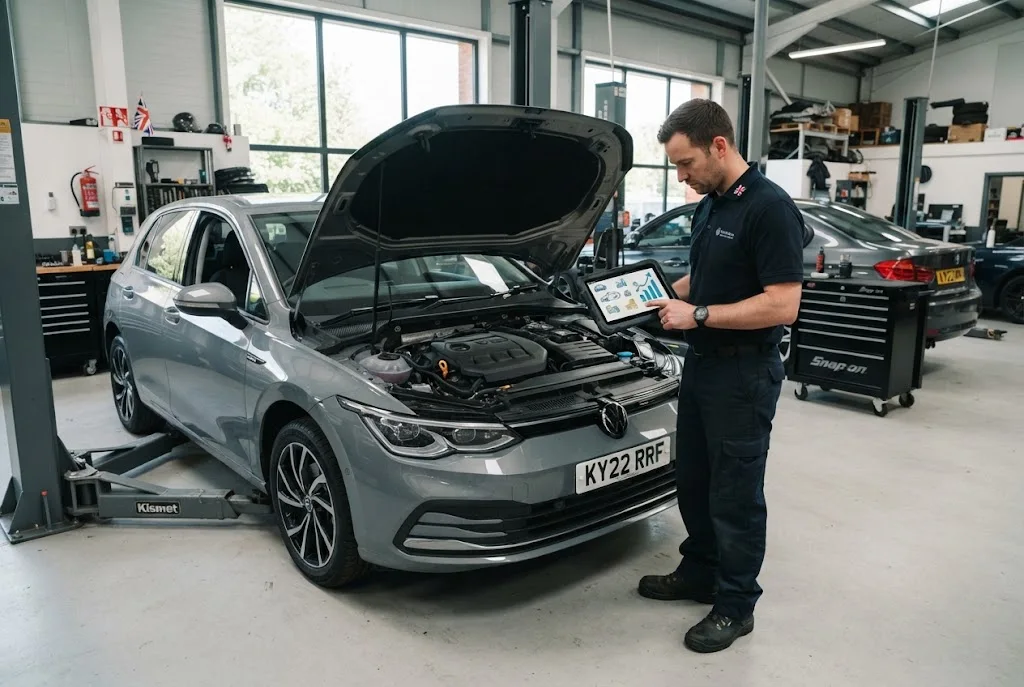
Repair finance can become an important consideration when an unexpected vehicle problem creates a large bill. A worn clutch, failed component, damaged tyre or other mechanical issue may need attention sooner than planned, leaving drivers looking for ways to manage the cost without putting off essential work.
Understanding repair finance, maintenance plans and repair payment plans can help motorists make more informed decisions. However, financing a repair is still a financial commitment, so drivers should consider the total cost, repayment terms and whether the repair is necessary before agreeing to any arrangement.
What Is Repair Finance?
Repair finance generally refers to financial arrangements that allow a customer to spread the cost of vehicle repairs rather than paying the entire bill immediately. Depending on the provider, this could involve a payment plan, credit agreement or another form of financing.
The availability and terms of these arrangements vary between garages, finance providers and individual customers. Some providers may offer promotional interest-free periods, while others may charge interest or fees. The important point is to look beyond the size of the monthly payment and understand the total amount that will eventually be paid.
Drivers should also distinguish between finance used to purchase a vehicle and finance used to pay for repairs. Car finance options are generally associated with acquiring a vehicle, while repair finance addresses the cost of maintaining or fixing an existing one.
Why Repair Costs Can Become Difficult to Manage
Vehicle ownership involves more than the initial purchase price. Fuel, insurance, servicing, tyres, MOT-related expenses and unexpected repairs all contribute to the overall cost of running a car.
Some repair bills are relatively predictable. Routine servicing, for example, can often be planned in advance. Other problems can appear unexpectedly and require immediate attention. A vehicle that cannot be driven safely may leave the owner with little practical choice but to arrange the necessary repair.
This is where affordability becomes important. A repair that looks manageable on paper can become difficult if it arrives alongside other household or vehicle expenses. Planning for maintenance and keeping an emergency fund can reduce the need to rely on credit when a major problem occurs.
How Repair Finance Can Help With Unexpected Bills
When a repair cannot reasonably be postponed, spreading the cost may make the immediate expense easier to manage. Instead of paying the complete amount at once, an eligible customer may make scheduled payments over an agreed period.
That does not make the repair cheaper automatically. The total cost depends on the terms of the agreement. Interest, fees and the length of the repayment period can all affect the final amount.
For this reason, motorists should ask several questions before accepting an offer:
- What is the total amount payable?
- Is interest charged?
- Are there arrangement or administration fees?
- How long will repayments continue?
- What happens if a payment is missed?
- Is there an early repayment charge?
- Is the agreement regulated and clearly explained?
Comparing these details can provide a clearer picture than simply looking at the advertised monthly figure.
Repair Payment Plans and Monthly Budgeting
Repair payment plans can be useful when a driver wants to divide a significant bill into smaller instalments. However, the monthly payment needs to fit comfortably within the household budget.
A lower monthly payment may look attractive because it reduces the immediate pressure on cash flow. Yet extending the repayment period can sometimes increase the overall cost. Drivers should therefore consider both affordability today and the total financial commitment over the full term.
It is also worth checking whether the payment would remain manageable if other costs increase. Fuel prices, insurance renewals, annual servicing and other household expenses can all affect available income.
Maintenance Plans Versus Repair Finance
Maintenance plans and repair finance address different aspects of vehicle ownership. A maintenance plan may be designed to cover or spread the cost of scheduled servicing and selected maintenance work, depending on its terms.
Repair finance, by contrast, is generally considered when a repair is already required and the customer needs a way to manage the resulting bill.
For drivers who prefer predictable motoring expenses, a maintenance plan may make budgeting easier. It can provide a structured approach to routine work instead of waiting until individual servicing costs arrive.
Nevertheless, motorists should read exactly what a maintenance plan covers. Some arrangements may exclude certain parts, wear items or unexpected mechanical failures. The terms should be understood before deciding whether a plan represents good value.
Understanding Servicing Costs Before Choosing Finance
Servicing costs vary depending on the vehicle, its age, engine type, mileage, service requirements and the garage carrying out the work. A basic scheduled service is unlikely to cost the same as a major service involving additional parts or repairs.
Before accepting repair finance, drivers should request a clear breakdown of the work. Knowing which parts and labour are included makes it easier to assess whether the proposed cost is reasonable.
It can also be useful to ask whether every recommended repair is urgent. Some work may be safety-critical and require immediate attention, while other maintenance may be advisable but capable of being scheduled later.
Repair Finance and Vehicle Ownership Expenses
Vehicle ownership expenses should be considered as a complete picture rather than as isolated bills. A car with a low purchase price can still become expensive if it requires frequent repairs or has high maintenance requirements.
Similarly, a newer vehicle may have higher finance payments but lower repair requirements during part of its ownership. The right choice depends on the vehicle, its condition, expected use and the owner’s financial circumstances.
This is particularly relevant when comparing a repair bill with the possibility of replacing the vehicle. Before committing to either option, drivers can consider the repair cost alongside the vehicle’s current value, likely future maintenance needs and the cost of another car.
When Should a Driver Consider Repairing Rather Than Replacing?
A large repair bill can make vehicle replacement seem tempting. However, replacing a car is not automatically cheaper than carrying out a necessary repair.
Drivers should consider the vehicle’s age, mileage, condition and recent maintenance history. A well-maintained car with a single major repair may still provide years of useful service. Conversely, repeated expensive failures can indicate that ownership costs are becoming difficult to justify.
For motorists researching the second-hand market, our coverage of used cars and changing market demand can provide useful context when considering replacement options.
The decision should also account for the costs associated with buying another vehicle, including deposits, finance payments, insurance, taxes where applicable and routine maintenance.
Questions to Ask Before Agreeing to Repair Finance
Taking a few minutes to understand the agreement can prevent unpleasant surprises later. Drivers should ask the garage or finance provider to explain anything that is unclear before signing.
Check the Total Repayment
The total amount payable is more important than the monthly figure alone. A payment that appears affordable may result in a significantly larger overall cost when interest or fees are included.
Understand the Repayment Period
Check how many payments are required and when the first payment is due. A longer term may reduce monthly costs but keep the financial commitment in place for longer.
Review Missed-Payment Terms
Drivers should understand what happens if they cannot make a payment on time. The consequences should be clearly stated in the agreement.
Check What Work Is Being Financed
The finance arrangement should correspond with a clearly explained repair estimate. If additional work is proposed later, ask whether it requires a separate approval or changes the amount being financed.
Could Preventive Maintenance Reduce Future Repair Bills?
Preventive maintenance cannot eliminate unexpected breakdowns, but it can help identify problems before they become more serious. Regular servicing, fluid checks, tyre inspections and attention to warning signs all have a role in responsible vehicle ownership.
Drivers should not ignore dashboard warning lights, unusual noises, changes in braking or steering behaviour, fluid leaks or other noticeable symptoms. Early professional inspection may sometimes prevent a relatively small issue from developing into a larger repair.
Tyres are another important part of maintenance. Our guide to tyre services and UK tyre safety explains why regular checks, correct pressures, replacement decisions and professional fitting matter for roadworthiness.
Repair Finance and Changing Finance Conditions
Finance changes can influence the cost of borrowing, making it important for motorists to assess current terms rather than relying on an old example or previous experience.
Interest rates, lender criteria and promotional offers can change over time. A finance arrangement that was attractive in the past may not provide the same value today. Drivers should therefore review the actual agreement available to them and compare the total cost before proceeding.
The same principle applies when considering broader vehicle finance. If a driver is comparing a repair with replacing a vehicle, it is useful to examine current car finance costs alongside the proposed repair commitment rather than focusing on one monthly figure.
Ways to Make Vehicle Repairs More Affordable
Finance is only one possible approach to managing an expensive repair. Depending on the circumstances, drivers may also consider using existing savings, comparing quotes from reputable garages, discussing whether non-urgent work can be scheduled, or reviewing maintenance arrangements.
Getting more than one repair estimate can sometimes provide useful information about labour and parts costs. However, the cheapest quote should not automatically be considered the best choice. The quality of parts, workmanship, warranty and garage reputation can all matter.
For safety-related work, delaying a repair simply because the cost is inconvenient can create greater risks. Affordability decisions should therefore be balanced against the importance of keeping the vehicle safe and roadworthy.
The Bottom Line on Repair Finance
Repair finance can provide a way to spread the cost of an unexpected vehicle repair, but it should be approached as a financial commitment rather than a quick solution to an expensive bill.
Drivers should compare the total repayment cost, interest, fees, repayment period and missed-payment terms before accepting an agreement. At the same time, regular servicing and preventive maintenance can help make vehicle expenses more predictable.
When a major repair arrives, the best decision depends on the condition and value of the vehicle, the urgency of the work and the owner’s wider budget. By considering repair finance alongside maintenance plans, servicing costs and long-term ownership expenses, motorists can make a more informed decision about keeping their vehicle on the road.
