Creating a beautiful home is not simply about following the latest interior design trends. The most successful spaces combine visual appeal with comfort, practicality, and a sense of personality. A well-decorated home should feel inviting when you walk through the door while also supporting the way you actually live.
Modern home decoration offers countless ways to achieve this balance. From choosing comfortable furniture and coordinating colors to improving lighting and adding natural textures, small design decisions can have a noticeable impact. The key is to create a space where different elements work together rather than competing for attention.
Start With a Clear Interior Style
Before buying new furniture or decorative accessories, consider the overall feeling you want your home to have. Modern interiors do not necessarily need to be cold, minimal, or overly sophisticated. A contemporary space can be warm, relaxed, elegant, or family-friendly depending on the materials, colors, and furniture selected.
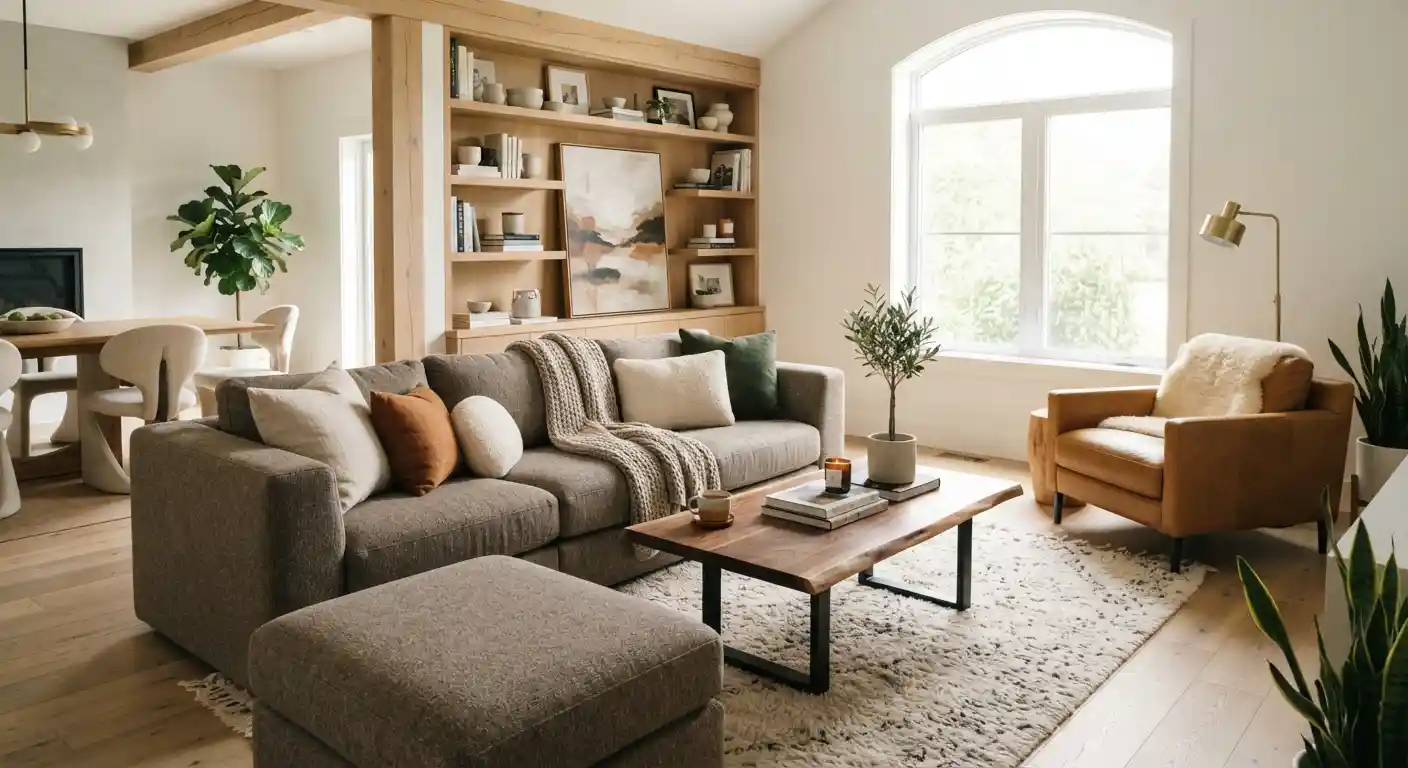
Neutral foundations are particularly useful because they provide flexibility. Shades such as cream, beige, warm white, soft grey, and muted earthy tones can make a room feel calm while allowing furniture and accessories to add character.
Once the basic color direction has been established, think about how each room should function. A living room designed for family gatherings may require generous seating, while a smaller lounge may benefit from furniture that provides comfort without overwhelming the available floor area.
Choose Furniture Around Comfort
Furniture is one of the most important parts of home decoration because it affects both appearance and everyday functionality. Beautiful furniture can improve the character of a room, but it should also be comfortable and suitable for the number of people using the space.
For larger living rooms, generous seating can create a welcoming atmosphere and make the room more practical for entertaining guests. Choosing 5 seater sofas can be particularly useful when a household needs plenty of seating while maintaining a cohesive appearance.
The size of the furniture should always be considered in relation to the room. Large furniture can look impressive in a spacious interior, but placing oversized pieces in a compact room may make the space feel crowded. Measure the available area before making major purchases and consider walking paths, doors, windows, and other fixed features.
Build a Balanced Color Scheme
Color can completely change the mood of an interior. While strong colors can add personality, they are often most effective when balanced with softer tones.
A simple approach is to choose one dominant neutral shade and introduce one or two complementary colors through furniture, cushions, artwork, curtains, or decorative objects. This creates visual consistency without making the room look overly coordinated.
Warm colors can make a space feel comfortable and intimate, while cooler shades can create a calm and airy atmosphere. Natural greens, muted blues, terracotta, warm beige, and soft brown are particularly versatile choices for contemporary homes.
It is also worth considering how natural light affects color throughout the day. A shade that appears warm in morning sunlight may look completely different under artificial lighting at night.
Use Lighting to Improve the Atmosphere
Good lighting is essential for modern home decoration. Even a carefully furnished room can feel uninviting if it relies on a single harsh overhead light.
Instead, consider creating layers of lighting. Ceiling fixtures can provide general illumination, while floor lamps, table lamps, wall lights, and accent lighting can introduce softer sources around the room.
Warm lighting is particularly effective in living areas because it creates a relaxed atmosphere. Brighter lighting can be more suitable for workspaces, kitchens, and areas where detailed tasks are performed.
Decorative lighting can also become part of the room’s visual design. A well-chosen pendant light or stylish floor lamp can act as a statement feature while providing useful illumination.
Combine Different Textures
A room can sometimes feel flat when every surface has the same finish. Introducing different textures adds depth and makes an interior feel more interesting.
Soft fabrics can be combined with smooth surfaces, natural wood, woven accessories, glass, metal, and textured rugs. The contrast between these materials creates subtle visual variation without requiring dramatic colors.
For example, a soft rug can make a hard flooring surface feel warmer, while wooden furniture can introduce an organic quality. Cushions and throws can provide additional softness while also allowing seasonal colors to be introduced without changing the main furniture.
Texture is especially useful in neutral interiors. When the color palette is restrained, differences in material and surface finish prevent the space from becoming visually boring.
Arrange Furniture for Conversation
Furniture placement has a major influence on how comfortable a room feels. Rather than automatically pushing every piece against a wall, consider how people will use the space.
In a living room, seating can be arranged around a central point such as a coffee table, fireplace, television, or architectural feature. This creates a natural area for conversation and makes the room feel more connected.
Allow enough space between furniture so people can move comfortably. A beautiful layout is not successful if everyday movement becomes difficult.
For larger households, generous seating can also help prevent the room from becoming divided into disconnected areas. A substantial seating arrangement can create a central social zone while maintaining a clean overall design.
Make the Living Room Feel More Personal
Modern interiors should still reflect the people who live in them. A room that looks perfectly styled but contains no personal details can sometimes feel impersonal.
Photographs, artwork, books, travel souvenirs, plants, and carefully selected decorative pieces can add personality. The goal is not to fill every available surface but to choose objects that have meaning or contribute to the room’s character.
Personal details can also help balance modern furniture. Contemporary pieces may provide a clean foundation, while handmade accessories, vintage objects, or family photographs can introduce warmth and individuality.
Use Rugs to Define Different Areas
Rugs are practical decorative elements that can help organize an open room. In larger living spaces, a rug can visually connect seating and create a defined area.
The size of the rug matters. A very small rug may appear disconnected from the furniture, while a larger design can help bring several pieces together. Ideally, the main seating arrangement should relate visually to the rug rather than appearing scattered around it.
Texture and color should also complement the existing interior. A neutral rug can provide subtle warmth, while a patterned design can become a stronger decorative feature in a simpler room.
Bring Natural Elements Indoors
Natural materials and greenery can make modern interiors feel more relaxed. Wooden furniture, woven baskets, stone surfaces, linen fabrics, and indoor plants can introduce organic qualities.
Plants are particularly effective because they add color and life without requiring major changes to the room. Larger plants can fill an empty corner, while smaller plants can be placed on shelves, side tables, or window areas.
Natural materials also work well with neutral color schemes. Their subtle variations create character while maintaining a calm and sophisticated appearance.
Keep Storage Part of the Design
Good storage is often overlooked when decorating a home. Clutter can quickly reduce the visual impact of even the most attractive interior.
Storage solutions should therefore be considered as part of the overall design rather than added as an afterthought. Cabinets, shelving, storage benches, baskets, and sideboards can provide practical places for everyday items.
Closed storage is useful for hiding objects that do not need to remain visible, while open shelving can display books, plants, artwork, and decorative pieces.
Keeping frequently used items organized makes the room easier to maintain and helps preserve a clean appearance.
Create a Flexible Social Space
A modern living room often needs to serve several purposes. It may be used for relaxing, watching television, reading, entertaining guests, or spending time with family.
Flexible furniture arrangements can help accommodate these different activities. Generous seating makes it easier to host visitors, while movable side tables and lightweight accessories can be repositioned when necessary.
When choosing seating for a larger household, 5 seater sofas can provide a practical foundation for a comfortable social area while giving the room a strong visual focal point.
The surrounding furniture should support the main seating rather than compete with it. Side tables, lamps, coffee tables, and decorative accessories should be positioned where they are useful without creating unnecessary obstacles.
Avoid Over-Decorating the Room
One of the most common home decoration mistakes is adding too many decorative elements. Although accessories can make a room feel finished, excessive decoration can create visual clutter.
Instead of filling every shelf and surface, leave some areas open. Empty space allows important furniture and decorative features to stand out.
A carefully selected collection of accessories is usually more effective than a large number of unrelated items. Think about balance, scale, color, and texture when deciding what belongs in the room.
Add Character Through Artwork
Artwork is an effective way to introduce personality without making major structural changes. Large artwork can act as a focal point above a sofa or sideboard, while smaller pieces can be grouped together to create a gallery-style display.
The artwork does not necessarily need to match the furniture exactly. In fact, introducing complementary colors or contrasting styles can make the room more dynamic.
Frames can also contribute to the overall appearance. Simple frames suit minimalist interiors, while wooden or decorative frames can add warmth to more traditional spaces.
Consider the Scale of Decorative Pieces
Scale is an important but often underestimated part of interior decoration. A tiny decorative object can disappear in a large room, while an oversized accessory may dominate a small space.
Try to create a mixture of heights and sizes. A tall plant, medium-height lamp, and smaller decorative object can create a more interesting arrangement than several objects of identical height.
The same principle applies to furniture. Large rooms often benefit from substantial pieces that fill the space appropriately, while compact interiors require more careful proportions.
Refresh Your Home Without Starting Again
Home decoration does not always require a complete redesign. Sometimes small changes can make a room feel completely different.
Changing cushions, throws, artwork, lamps, rugs, or decorative accessories can introduce a new color direction without replacing major furniture. Seasonal adjustments can also keep the interior feeling fresh.
For example, lighter fabrics and natural colors may work well during warmer months, while deeper tones and heavier textures can create a cozy atmosphere during colder seasons.
These small updates are also more practical for households that want to maintain a modern interior without constantly purchasing new furniture.
Make Comfort the Foundation of Modern Style
The best modern homes combine attractive design with everyday comfort. Furniture should support how people live, while colors, textures, lighting, and accessories should create an atmosphere that feels welcoming.
There is no single formula for successful home decoration. Some households may prefer minimalist spaces, while others may enjoy layered interiors filled with texture and personality. What matters most is creating a balanced environment where every major element has a purpose.
By choosing furniture carefully, using a coordinated color palette, layering lighting, introducing natural textures, and avoiding unnecessary clutter, it is possible to create an interior that feels both contemporary and comfortable.
Modern style does not have to mean sacrificing warmth. With thoughtful decoration choices and furniture that suits the household, a home can become a stylish, functional, and inviting space that remains enjoyable for years to come.