British beauty culture reflects a fascinating mix of tradition, practicality, fashion and changing social attitudes. From classic grooming habits and understated makeup to modern skincare routines and rapidly changing beauty trends, beauty in Britain has never followed a single formula. Instead, British beauty culture has developed through generations of habits, regional influences, popular media and the growing internationalisation of the beauty industry.
Understanding these influences provides a useful way to look beyond individual products. It helps explain why certain beauty styles become popular, how traditional practices evolve and why British consumers can embrace both minimal routines and experimental trends.
What Is British Beauty Culture?
British beauty culture describes the attitudes, habits, traditions and aesthetic preferences associated with beauty in Britain. It includes skincare, makeup, haircare, fragrance, grooming, fashion and the social expectations surrounding appearance.
However, there is no single definition of beauty in Britain. Preferences can differ according to age, location, lifestyle, cultural background and personal taste. London, for example, has a highly international beauty scene, while other parts of the UK may have their own local influences and established routines.
The term is therefore best understood as a broad cultural landscape rather than a fixed beauty standard.
How British Beauty Culture Has Evolved
British beauty culture has changed considerably over time. Earlier generations often placed greater emphasis on established grooming rituals, classic hairstyles and carefully presented appearances. Later decades brought stronger influences from music, television, cinema, fashion and youth culture.
Beauty became increasingly connected with personal expression. Makeup trends could shift rapidly, while hairstyles and fashion helped different generations develop recognisable identities.
Today, social media has accelerated this process. British consumers can encounter beauty trends from Europe, Asia, North America and other parts of the world almost instantly. As a result, modern beauty habits often combine local traditions with international influences.
British Beauty Traditions That Still Influence Modern Routines
Some British beauty traditions have remained influential even as products and techniques have changed. Grooming, cleanliness, fragrance and well-maintained hair have long played an important role in personal presentation.
Classic approaches often favour looking polished without necessarily appearing heavily made up. This idea can still be seen in contemporary routines that focus on healthy-looking skin, neat brows, natural tones and practical hair styling.
Traditional beauty habits do not necessarily remain unchanged. Instead, they are often adapted to modern products, lifestyles and expectations.
The Appeal of Practical Beauty
Practicality is an important element of many British beauty routines. Busy lifestyles can encourage consumers to choose products that serve several purposes or routines that are relatively easy to maintain.
This does not mean British consumers avoid experimentation. Rather, everyday beauty can combine convenience with selected statement products, particularly for social occasions or changing seasons.
British Beauty Trends and the Rise of Personal Expression
British beauty trends are constantly evolving. One season may bring increased interest in minimal makeup, while another may see stronger colours, statement lips or more elaborate eye looks.
Social media has made these changes particularly visible. Platforms built around short-form video and visual content allow techniques to spread quickly, giving consumers access to tutorials, product reviews and inspiration from creators around the world.
At the same time, trends do not necessarily replace established preferences. Many people adapt a trend rather than copying it exactly. A dramatic look seen online may become a more understated version when incorporated into an everyday British beauty routine.
Skincare in British Beauty Culture
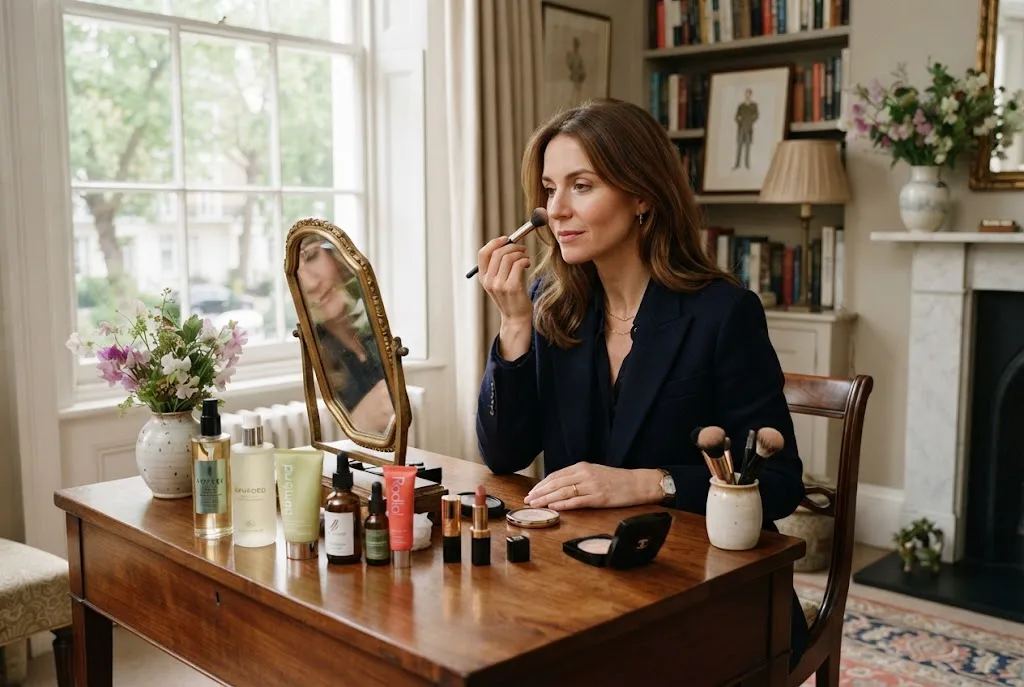
Skincare has become an increasingly important part of beauty in Britain. Consumers have access to a wide range of cleansers, moisturisers, serums, sunscreens and targeted treatments, while discussions about ingredients have become more prominent.
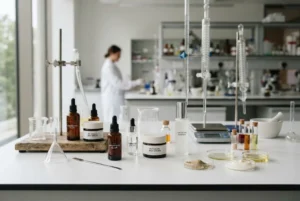
Modern skincare culture is also increasingly influenced by scientific information. Consumers may research ingredients before purchasing products and compare formulations rather than choosing solely according to packaging or advertising.
This development connects closely with the wider field of beauty research, where scientific studies, ingredient research and consumer evidence can provide additional context for beauty claims.
However, skincare routines remain highly personal. A complicated routine is not automatically better than a simple one. Individual preferences, skin characteristics and lifestyle all influence how people approach skincare.
Makeup and the British Approach to Beauty
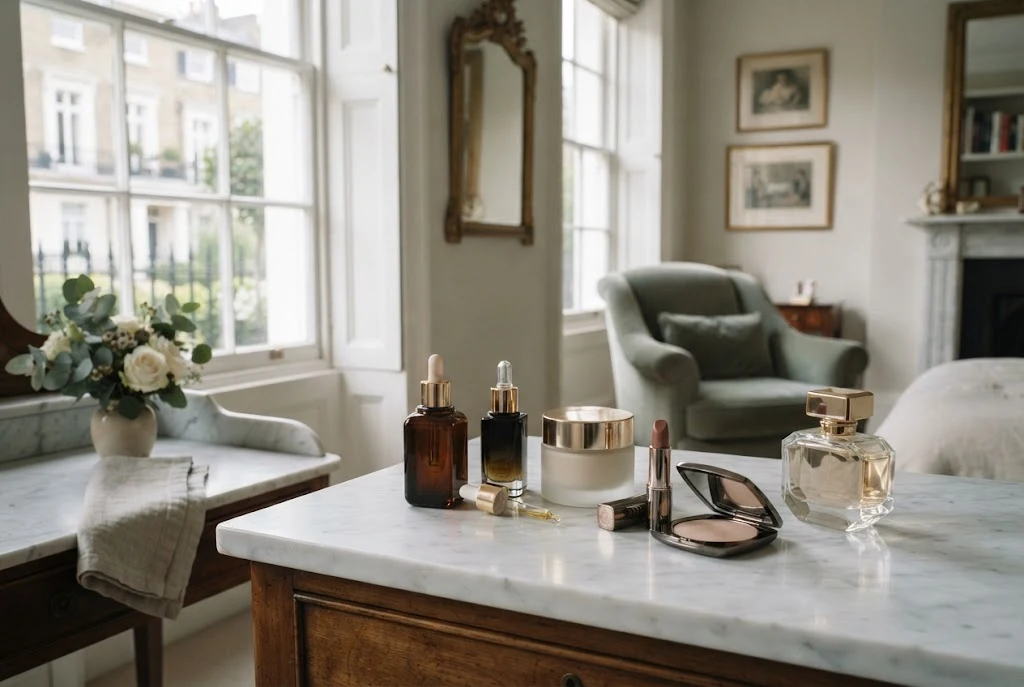
Makeup has played a major role in beauty culture UK, with British consumers exposed to an unusually broad range of styles. Traditional polished looks exist alongside alternative fashion, editorial makeup and experimental aesthetics.
The UK’s strong connections with fashion and entertainment have also helped create an environment where makeup can function as a form of self-expression.
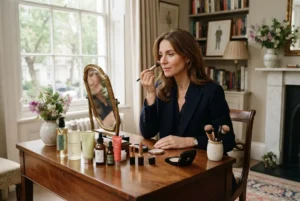
For everyday wear, many consumers prefer adaptable looks that can move between work, social occasions and leisure. This can encourage products such as tinted complexion products, neutral eyeshadows, mascara, lip colours and multipurpose cosmetics.
Meanwhile, special occasions provide opportunities for more dramatic approaches. Weddings, parties, festivals and evening events can all create different beauty expectations.
Regional Beauty Culture Across Britain
Regional beauty culture is another important part of understanding beauty in Britain. The UK contains communities with different histories, identities and cultural influences, so beauty preferences can vary from one location to another.
Large cities often provide especially diverse beauty environments because residents can access international brands, specialist salons, independent businesses and influences from many cultures.
Smaller towns and rural areas may have different beauty ecosystems, with local salons, established customer relationships and community-based recommendations playing an important role.
These differences should not be treated as rigid rules. People regularly move between regions, follow international creators and adopt styles from outside their immediate communities. Nevertheless, local context remains useful when examining how beauty habits develop.
British Cosmetics Culture and the Modern Beauty Market
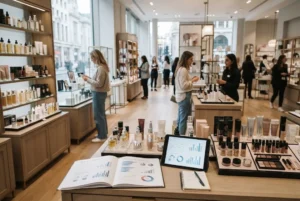
British cosmetics culture has expanded alongside the wider beauty market. Consumers can now choose between established international brands, independent labels, specialist skincare companies and retailers offering products from around the world.
This variety has changed how people discover beauty products. Recommendations may come from friends, beauty professionals, online creators, retailers or customer reviews.
Product discovery has therefore become more social and more immediate. A new cosmetic can gain attention rapidly when consumers share demonstrations, reviews or before-and-after content online.
At the same time, consumers are increasingly interested in what sits behind a product. Ingredients, formulation, sustainability and evidence can influence purchasing decisions alongside traditional factors such as price and appearance.
Beauty Habits in the UK and Changing Consumer Priorities
Beauty habits UK consumers develop are influenced by everyday routines and changing priorities. Some people maintain detailed skincare and grooming rituals, while others prefer a small selection of dependable products.
Convenience has become particularly relevant as consumers balance work, family, social activities and personal interests. Products that are easy to apply, carry or incorporate into an existing routine can therefore have strong practical appeal.
There is also growing interest in making more considered purchasing decisions. Consumers may compare ingredients, product performance, packaging and long-term value before buying.
This reflects a wider shift from simply following beauty trends towards understanding why a product or routine might be suitable.
The Influence of British Fashion and Entertainment
Fashion has always influenced beauty in Britain. Designers, models, musicians and performers have helped introduce distinctive approaches to hair, makeup and personal presentation.
British entertainment has also contributed to the visibility of different beauty aesthetics. Characters and public figures can influence hairstyles, makeup choices and perceptions of what looks fashionable.
Importantly, these influences work in both directions. Beauty trends can influence fashion, while fashion trends can inspire new approaches to makeup and hair. The relationship creates an evolving visual culture rather than a fixed style.
British Beauty Culture in the Age of Social Media
Social media has transformed how people participate in beauty culture. Instead of receiving beauty information primarily through magazines, television and traditional advertising, consumers can now follow creators who document products and routines in real time.
This has made beauty knowledge more accessible. Tutorials can demonstrate techniques, while reviews can offer practical perspectives on products.
However, the speed of social media also creates challenges. Trends can become popular before consumers have much opportunity to assess whether they are practical, suitable or supported by reliable evidence.
That makes critical thinking increasingly important. A popular beauty technique is not necessarily appropriate for everyone, and an attractive product demonstration does not automatically prove a product’s effectiveness.
Sustainability and the Future of Beauty in Britain
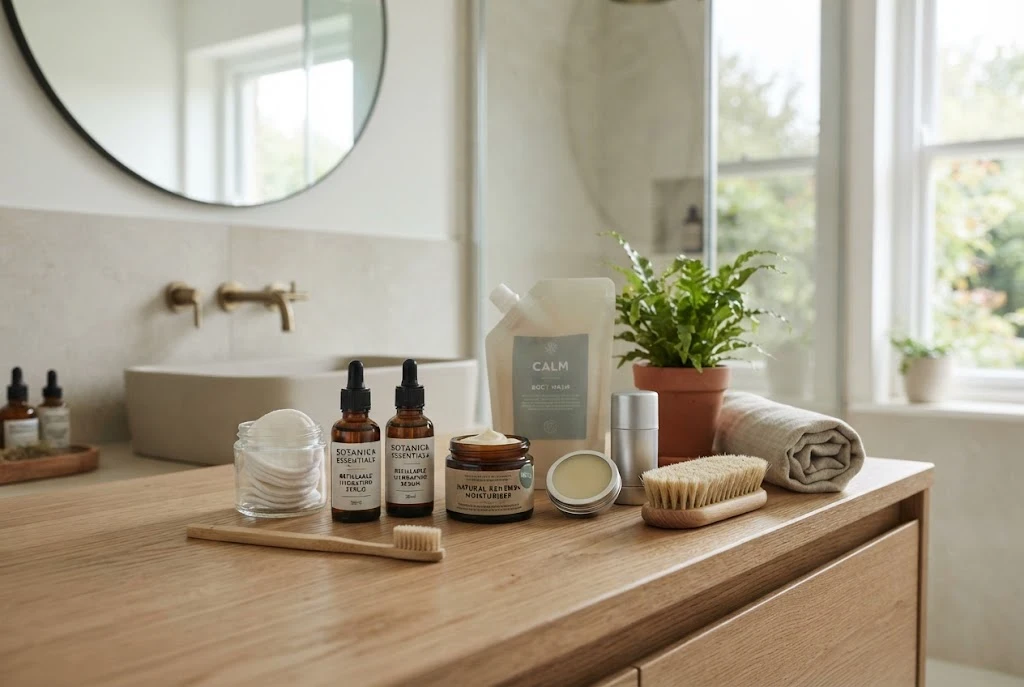
Sustainability is becoming another significant part of modern British beauty culture. Consumers are increasingly exposed to discussions about packaging, refill systems, product waste, ingredients and responsible purchasing.
These concerns are influencing both brands and consumers. Some shoppers may favour products with reduced packaging or reusable formats, while others focus on buying fewer products and using what they already own.
The wider sustainability conversation is closely connected with sustainable beauty, which examines how beauty products and routines can become more environmentally responsible.
As research and consumer awareness develop, sustainability may increasingly become part of the decision-making process rather than a separate beauty trend.
What Makes British Beauty Culture Distinctive?
British beauty culture is distinctive because it does not rely on one aesthetic. Practical everyday grooming can exist alongside bold fashion-led experimentation. Traditional routines can coexist with international skincare trends, while established beauty businesses operate alongside independent brands and digital-first creators.
There is also a strong relationship between individuality and social influence. Consumers are exposed to many different ideas of beauty but can choose which elements fit their own identity and lifestyle.
This combination makes British beauty culture difficult to reduce to a single look. Its defining characteristic may instead be its ability to absorb new influences while continuing to adapt established habits.
How British Beauty Culture May Develop Next
The future of beauty in Britain is likely to be shaped by several overlapping forces. Technology will continue changing how consumers discover products, while research may influence how people evaluate ingredients and cosmetic claims.
Personalisation could also become more prominent. Consumers increasingly expect beauty recommendations to reflect their individual needs rather than treating everyone as part of the same audience.
Sustainability may remain an important consideration as shoppers become more conscious of waste and purchasing habits. Meanwhile, social media will continue introducing new aesthetics and accelerating the movement of trends across borders.
Despite these changes, traditional elements are unlikely to disappear completely. Beauty culture tends to evolve by combining familiar habits with new influences rather than replacing one generation’s preferences overnight.
Final Thoughts on British Beauty Culture
British beauty culture is a constantly evolving combination of tradition, practicality, fashion, science and personal expression. From British beauty traditions and regional influences to modern skincare, cosmetics and social media trends, the subject covers far more than makeup and skincare products.
Understanding beauty in Britain means recognising that consumers have different needs, identities and preferences. Some favour understated routines, others enjoy experimentation, and many move between the two depending on the occasion.
As the beauty industry continues to change, British consumers will have more information and more choices than ever. The result is likely to be a beauty culture that remains distinctly British while becoming increasingly diverse, informed and internationally connected.