

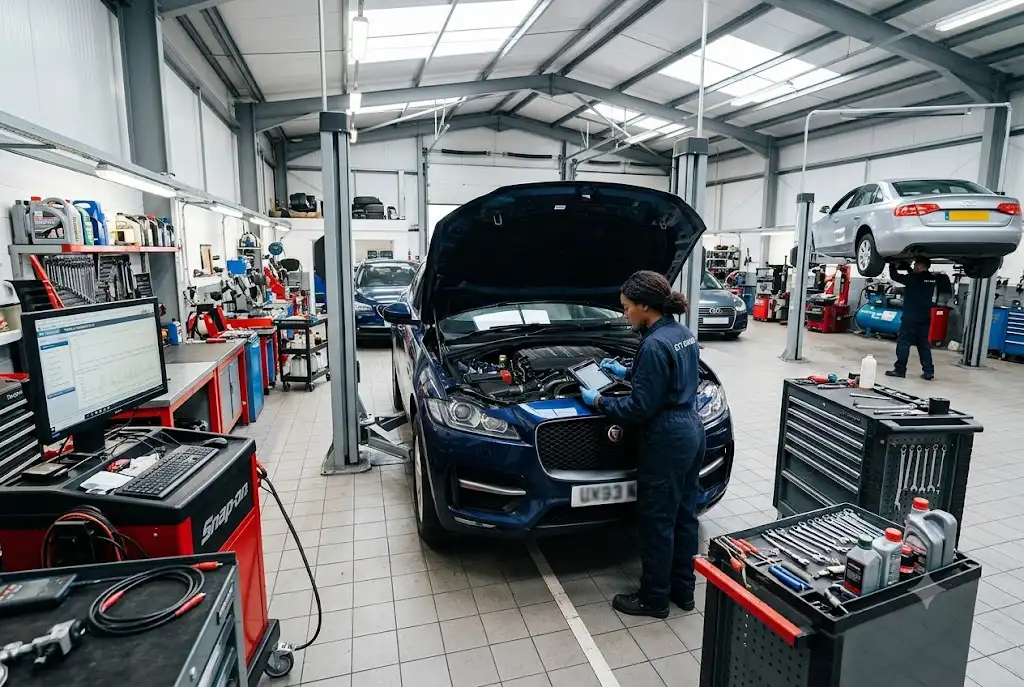
Knowing how often to service a car is one of the most important responsibilities of any vehicle owner in the UK. Regular servicing not only keeps your car running smoothly but also helps prevent costly repairs, improves fuel efficiency, and ensures road safety. Yet, many drivers are unsure about the ideal service intervals or whether annual servicing is truly necessary.
This guide breaks down everything you need to know—from manufacturer recommendations to real-world driving conditions—so you can confidently maintain your car without overpaying or under-maintaining it.
Why Regular Car Servicing Matters
Car servicing goes beyond a simple oil change. It’s a comprehensive check-up of your vehicle’s essential systems, including the engine, brakes, suspension, and fluids. Skipping or delaying servicing can lead to:
- Reduced engine performance
- Increased fuel consumption
- Higher risk of breakdowns
- Lower resale value
Maintaining a proper auto maintenance history also helps demonstrate that your car has been well cared for, which is crucial if you plan to sell it in the future.
How Often Should You Get Your Car Serviced?
The most common question drivers ask is: how often should I get my car serviced? The answer depends on several factors, but as a general rule in the UK:
- Most cars should be serviced every 12 months or every 10,000 to 12,000 miles
- Newer vehicles may follow longer intervals based on manufacturer guidance
- Older vehicles may require more frequent servicing
If you’re following a structured service plan for cars, the intervals are typically pre-defined, making it easier to stay on track.
Do You Have to Service Your Car Every Year?
While it may not be a legal requirement, servicing your car annually is strongly recommended. Even if you drive less, components like oil, filters, and brake fluids degrade over time. Regular servicing ensures these elements remain in optimal condition.
Factors That Affect Service Frequency
Not all cars are used the same way. Your personal driving habits and environment play a big role in determining how often you should service your vehicle.
1. Driving Conditions
Frequent short trips, city driving, or heavy traffic can put more strain on your engine compared to motorway driving.
2. Mileage
The more you drive, the more wear and tear your vehicle experiences. High-mileage drivers should consider shorter service intervals.
3. Vehicle Age
Older cars generally require more frequent checks and maintenance compared to newer models.
4. Engine Type
Diesel, petrol, hybrid, and electric vehicles all have different maintenance needs. Understanding your vehicle’s requirements helps you plan better.
Understanding the Vehicle Service Schedule
Every car comes with a manufacturer-recommended vehicle service schedule. This schedule outlines when specific components should be inspected or replaced.
Typical service milestones include:
- Interim service (every 6 months or 6,000 miles)
- Full service (every 12 months)
- Major service (every 24 months)
If you’re unsure what each service includes, it’s helpful to review what a full service car includes to understand the level of inspection your vehicle receives.
What Happens If You Skip a Service?
Skipping a scheduled service might save money in the short term, but it can lead to serious long-term consequences. Minor issues such as worn filters or degraded oil can quickly escalate into major mechanical failures.
For example, delaying an oil change and filter replacement can cause engine damage due to poor lubrication.
Additionally, if you’re planning an MOT, you might wonder whether to handle MOT or service first. In most cases, servicing beforehand ensures your vehicle is in the best possible condition to pass.
How Much Does Regular Servicing Cost?
The frequency of servicing also ties into your budget. Understanding the cost of servicing a car can help you plan ahead and avoid unexpected expenses.
While prices vary depending on the type of service and vehicle model, regular maintenance is always more affordable than emergency repairs.
When to Visit a Garage
If your car shows warning signs such as unusual noises, reduced performance, or dashboard alerts, don’t wait for the next scheduled service. Visiting a trusted car mechanic garage near me can help diagnose issues early and prevent further damage.
Practical Tips for Staying on Track
Keeping up with your service schedule doesn’t have to be complicated. Here are a few simple tips:
- Set calendar reminders for service dates
- Track mileage regularly
- Keep service records organised
- Consider prepaid service plans for convenience
Final Thoughts
Understanding how often to service your car ensures your vehicle remains reliable, efficient, and safe on UK roads. While general guidelines suggest annual servicing, your actual needs depend on how and where you drive.
By following a proper service schedule, staying proactive with maintenance, and addressing issues early, you can extend your car’s lifespan and avoid unnecessary costs in the long run.
For official manufacturer recommendations and safety guidelines, you can refer to the UK government vehicle safety guidance, which provides practical advice for keeping your car roadworthy.
