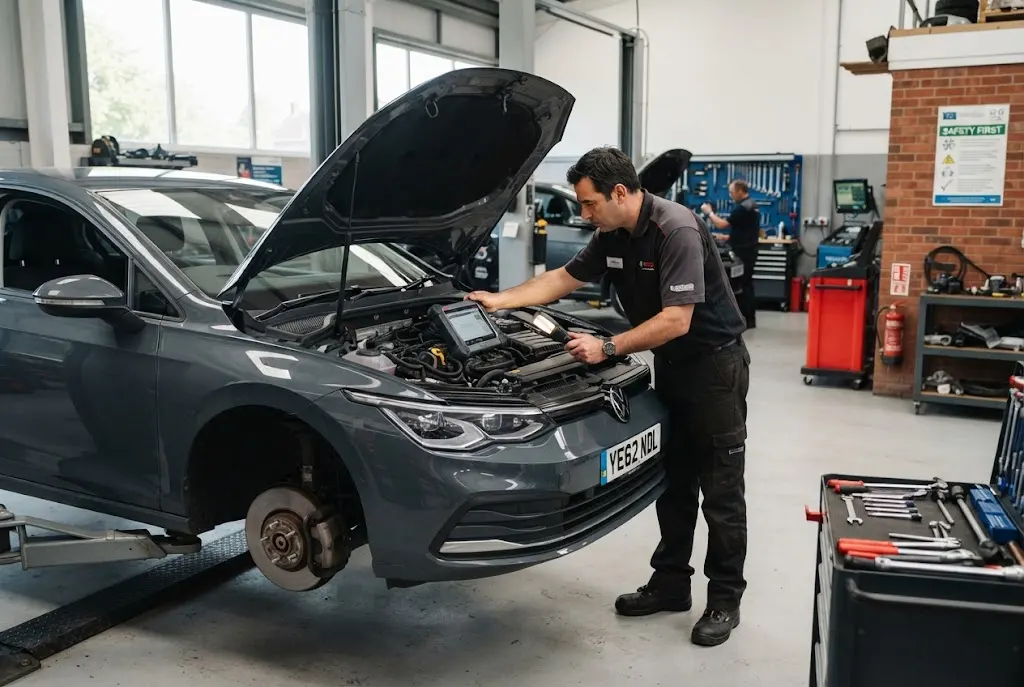
Your auto maintenance history is more than just a record of past services—it’s proof that your vehicle has been properly cared for. Whether you plan to keep your car long-term or sell it in the future, maintaining accurate service records can save money, improve reliability, and increase resale value.
This guide explains why maintenance history matters and how to keep it organised and effective.
What Is Auto Maintenance History?
Auto maintenance history is a detailed record of all servicing, repairs, and inspections carried out on your vehicle. This includes:
- Routine servicing (interim, full, major)
- oil change and filter replacements
- Brake and tyre work
- MOT test results
- Unexpected repairs
These records can be stored digitally, on paper, or both.
Why Maintenance History Is Important
1. Increases Resale Value
A complete service history reassures buyers that the vehicle has been well maintained, often leading to a higher selling price.
2. Prevents Duplicate Work
Keeping records helps avoid unnecessary repeat servicing or part replacements.
3. Improves Reliability
Tracking past issues allows mechanics to identify patterns and prevent recurring problems.
4. Supports Warranty Claims
Many warranties require proof of regular servicing according to a vehicle service schedule.
What Should Be Included in Your Records?
A complete maintenance history should include:
- Date of service
- Mileage at time of service
- Type of service performed
- Parts replaced
- Name of the garage or mechanic
- Receipts and invoices
If you regularly visit a trusted car mechanic garage near me, they may also keep records on your behalf.
Digital vs Paper Service Records
Digital Records
- Easy to access and update
- Often used by modern dealerships
- Less risk of being lost
Paper Records
- Traditional service booklets
- Preferred by some buyers
- Can be misplaced if not stored carefully
Using both methods provides the best level of security and convenience.
How to Keep Your Maintenance History Organised
Staying organised doesn’t have to be complicated. Here are some practical tips:
- Store all receipts in one place
- Use a spreadsheet or mobile app
- Update records immediately after each service
- Follow a consistent how often to service a car routine
How Maintenance History Affects Costs
A well-documented history helps you track spending and identify trends in the cost of servicing a car. This makes it easier to budget for future maintenance and avoid unexpected expenses.
Maintenance History and MOT Tests
Keeping records can help you prepare for MOT tests by ensuring all required maintenance has been completed. Deciding whether to do MOT or service first becomes easier when you have a clear history of previous work.
Service Plans and Record Keeping
If you use service plans for cars, your maintenance history is often tracked automatically. This ensures consistency and reduces the risk of missed services.
Common Mistakes to Avoid
When managing your maintenance history, avoid these common errors:
- Forgetting to record small repairs
- Losing receipts or invoices
- Skipping scheduled servicing
- Relying solely on memory
Even minor details can be important over time.
How Buyers View Service History
When selling a car, buyers typically look for:
- Full service history (FSH)
- Consistent servicing intervals
- Proof of major repairs or replacements
A complete history builds trust and can speed up the sale process.
Final Thoughts
Your auto maintenance history is a valuable asset that supports your car’s performance, reliability, and resale value. By keeping accurate and organised records, you can make better maintenance decisions and avoid unnecessary costs.
Whether you manage records yourself or rely on a garage, consistency is key. For more guidance on maintaining service records, you can visit the RAC guide to service history.