

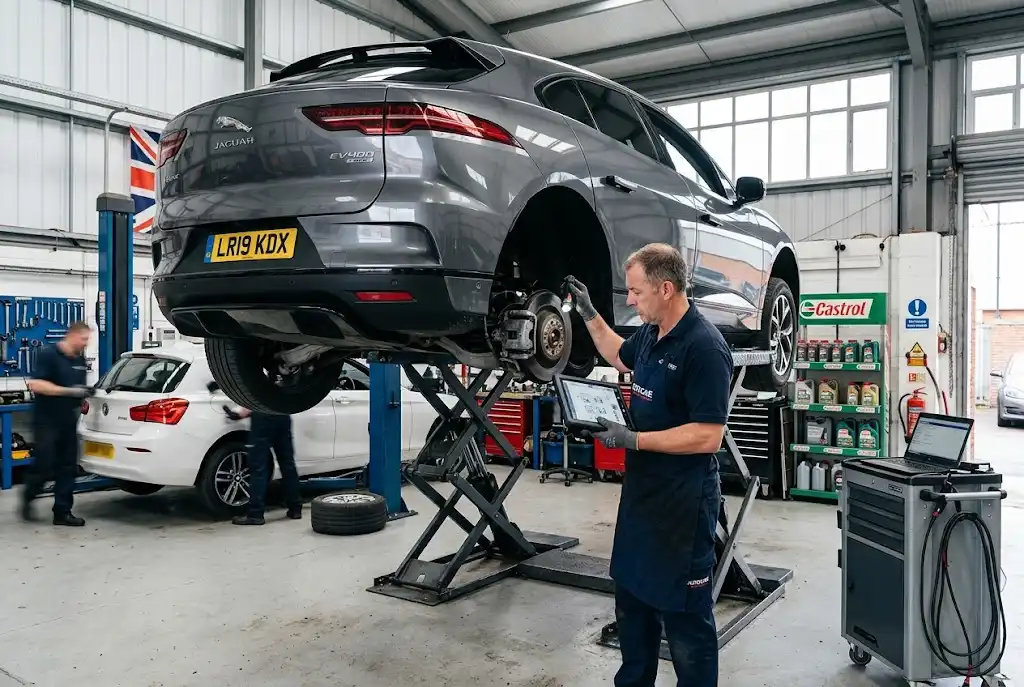
Keeping up with auto services is about more than booking a garage appointment when something goes wrong. For UK drivers, staying informed about servicing, repairs, MOT requirements, vehicle maintenance and safety alerts can make ownership easier and help prevent avoidable problems. From changing workshop practices to new motoring concerns, understanding what is happening across the automotive sector can help motorists make better decisions about their vehicles.
The UK motoring landscape continues to evolve as drivers manage different vehicle technologies, changing maintenance requirements, stricter safety expectations and increasingly complex repair needs. This guide brings together the key areas motorists should watch, while providing a useful starting point for future updates on car servicing, vehicle maintenance, repair developments and MOT information.
What Are Auto Services and Why Do They Matter?
Auto services cover a broad range of work designed to keep vehicles safe, reliable and roadworthy. Depending on the vehicle and its condition, this can include routine servicing, oil and filter changes, brake inspections, tyre checks, diagnostics, battery work, repairs, air-conditioning maintenance and other specialist services.
For many motorists, the difference between a routine check and an unexpected repair bill can come down to regular maintenance. A vehicle that receives appropriate attention is easier to monitor because potential problems can often be identified before they develop into more serious faults.
However, auto service requirements are not identical for every vehicle. Mileage, age, driving conditions, manufacturer recommendations and the type of vehicle all influence what work may be appropriate. Drivers should therefore avoid relying on a one-size-fits-all maintenance routine.
Auto Services Trends UK Drivers Should Watch
The automotive service sector is changing alongside the vehicles it supports. Modern cars can contain sophisticated electronic systems, advanced driver assistance technology, increasingly complex powertrains and software-controlled components. As a result, professional vehicle maintenance can involve more than traditional mechanical work.
Diagnostics are particularly important when warning lights or unusual vehicle behaviour appear. A professional garage may use diagnostic equipment to identify potential faults and determine which components require further investigation.
At the same time, motorists are paying closer attention to preventative maintenance. Rather than waiting for a component to fail, drivers can use service records, inspection results and manufacturer guidance to plan appropriate work.
These developments make it useful to follow car servicing trends alongside broader automotive developments. Understanding how servicing practices are changing can help drivers ask better questions before approving work at a garage.
Why Regular Car Servicing Still Matters
Regular servicing is one of the foundations of responsible vehicle ownership. A service can provide an opportunity to inspect important components and identify issues that may not be obvious during normal driving.
Depending on the vehicle’s service requirements, routine work may include checks of fluids, filters, brakes, tyres, steering, suspension and other key systems. Some vehicles may also require additional inspections or replacement of components at specific intervals.
Drivers should distinguish between different service levels. An interim service may be suitable in certain circumstances, while a full or major service can involve a wider range of checks and maintenance. The correct option depends on the vehicle manufacturer’s recommendations and the vehicle’s individual circumstances.
It is also important to remember that a service and an MOT are not the same thing. An MOT assesses whether a vehicle meets specific legal safety and environmental standards at the time of the test. Servicing, by contrast, is part of maintaining the vehicle and can cover areas that are not the same as an MOT inspection.
Vehicle Maintenance Is the First Line of Defence
Good vehicle maintenance does not need to be complicated. Simple checks can help motorists identify potential issues early. Tyre condition and pressure, lights, fluid levels, windscreen condition and visible signs of damage are all worth paying attention to as part of responsible ownership.
Seasonal conditions can also influence vehicle care. Winter can bring colder temperatures, poor visibility and more challenging road conditions, while summer journeys can place additional demands on tyres, cooling systems and air conditioning.
A practical maintenance routine should therefore consider both the manufacturer’s service schedule and the conditions in which the vehicle is driven. Drivers who frequently make short journeys, carry heavy loads or travel long distances may have different maintenance considerations from motorists who use their cars occasionally.
For a more detailed approach, our guide to vehicle maintenance alerts can help drivers understand warning signs, maintenance priorities and ownership issues that deserve attention.
When Auto Repair Services Are Needed
Even well-maintained vehicles eventually require repairs. Warning lights, unusual noises, vibration, changes in braking performance, steering problems or unexpected fluid leaks should not simply be ignored.
Some faults may appear minor initially but become more expensive or potentially dangerous if the underlying problem is left unresolved. For example, an unusual noise could indicate an issue that requires professional inspection rather than simply disappearing with continued driving.
Choosing the right garage is therefore an important part of vehicle ownership. Drivers should look for a reputable business with suitable expertise for their vehicle and request a clear explanation of any recommended repair. Where possible, motorists should understand which work is urgent, which work can reasonably be planned and what the expected cost involves.
The wider repair industry is also worth watching. Changes in vehicle technology, parts availability, diagnostic requirements and workshop skills can influence how repairs are carried out. Our coverage of auto repair services will provide a dedicated place for developments affecting garages and motorists.
MOT and Service: What Drivers Need to Know
MOT testing remains a major part of vehicle ownership for eligible vehicles in Great Britain. The Driver and Vehicle Standards Agency (DVSA) administers the MOT service and maintains the standards and systems used for MOT testing.
An MOT should not be treated as a substitute for regular servicing. A vehicle can pass an MOT while still requiring routine maintenance or attention to issues that fall outside the scope of the test. Conversely, a vehicle may fail an MOT because it has a defect that needs to be repaired before it can meet the relevant testing requirements.
Keeping track of the MOT date is therefore essential. Drivers can also use official government services to manage MOT reminders and check relevant vehicle information. Staying organised reduces the risk of overlooking an important testing deadline.
For motorists looking specifically for regulatory developments, our upcoming MOT and service updates will form an important part of this automotive content cluster.
Safety Recalls and Consumer Alerts
Vehicle safety recalls deserve particular attention because they can involve serious defects affecting a vehicle, component or accessory. The UK Government provides a service allowing motorists to check whether a vehicle, part or accessory has been recalled because of a serious safety problem.
Drivers should take manufacturer recall notices seriously. According to GOV.UK guidance, motorists are responsible for ensuring their vehicles remain safe to drive, and serious safety defects may require the vehicle to be repaired or replaced by the manufacturer.
This is one reason automotive news should not focus solely on new cars and industry announcements. Consumer alerts, safety notices and repair information can have a direct impact on existing vehicle owners.
When buying a used vehicle, checking available recall information can also form part of sensible due diligence. A recall does not automatically mean a vehicle is unsuitable, but an outstanding safety issue should be investigated and dealt with appropriately.
How Drivers Can Stay Ahead of Automotive Updates
Keeping up with motoring information does not mean reading every automotive story published online. Instead, drivers can focus on information that has a practical impact on their vehicle or driving habits.
- Keep your vehicle’s service history and maintenance records organised.
- Follow the manufacturer’s recommended servicing schedule.
- Check your MOT status and test date regularly.
- Pay attention to warning lights and changes in vehicle behaviour.
- Check for applicable vehicle safety recalls.
- Use qualified professionals for repairs that require specialist knowledge or equipment.
- Follow credible UK motoring and road-safety updates.
This approach makes it easier to separate useful automotive information from general industry noise. It also gives drivers a clearer picture of when professional attention may be appropriate.
Where the UK Auto Services Sector Is Heading
The future of auto services will increasingly reflect the changing vehicle fleet. As cars become more technologically advanced, garages may need broader diagnostic capabilities and specialised knowledge. Electric and hybrid vehicles also introduce different servicing considerations from conventional petrol and diesel models.
For motorists, the main lesson is straightforward: vehicle ownership is becoming more information-driven. Understanding service schedules, recognising warning signs and following trustworthy safety information can be just as important as finding a garage when a fault occurs.
That is why this auto services hub will connect several areas of UK motoring information. Future coverage can explore current servicing trends, vehicle maintenance warnings, repair industry developments and MOT changes without treating each subject as an isolated topic.
Final Thoughts on Auto Services in the UK
Reliable auto services play an important role in keeping vehicles safe, functional and dependable. Regular servicing, sensible maintenance, timely repairs and awareness of MOT requirements all contribute to better vehicle ownership.
For UK drivers, the most useful approach is to stay proactive rather than waiting for a problem to become serious. Follow the vehicle’s recommended maintenance schedule, investigate unusual symptoms promptly and pay attention to official safety and regulatory information.
As vehicle technology and motoring requirements continue to evolve, staying informed will become increasingly valuable. By following trusted auto services coverage alongside practical servicing and maintenance guidance, motorists can make more informed decisions about the vehicles they rely on every day.
