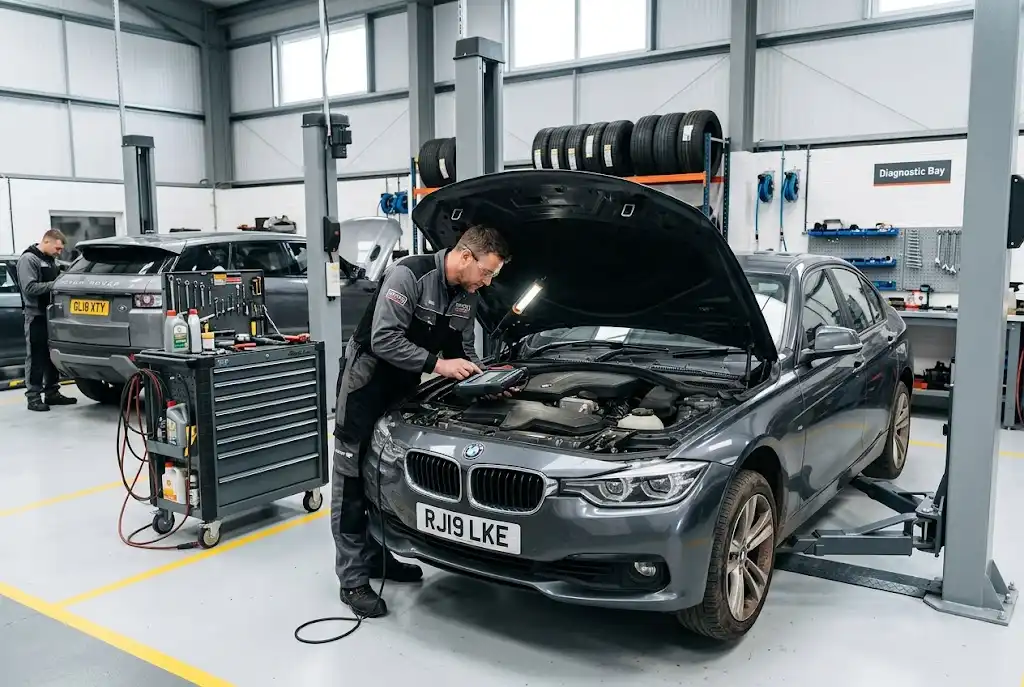
Car servicing is an important part of responsible vehicle ownership, helping drivers identify potential problems, maintain vehicle performance and keep their cars in suitable condition for everyday driving. While servicing has traditionally focused on scheduled mechanical checks and replacement of consumable items, modern vehicles are making professional maintenance increasingly technology-driven.
For UK motorists, understanding how servicing works and what is changing in the automotive sector can make it easier to plan maintenance and avoid unnecessary surprises. Service intervals, vehicle age, mileage, driving conditions and manufacturer recommendations can all influence what attention a car needs. This guide explores the latest car servicing considerations while connecting them with wider developments in UK auto services.
What Does Car Servicing Involve?
Car servicing is a planned maintenance process designed to assess the condition of a vehicle and address maintenance requirements. The exact work varies according to the vehicle, its manufacturer recommendations, mileage and service history.
A typical service may involve checks or maintenance relating to engine oil, filters, brakes, tyres, lights, fluid levels, steering and suspension. However, not every service includes exactly the same work. Some vehicles have specific maintenance schedules, while others may require additional checks because of their age or mileage.
This distinction matters because motorists should not assume that a service package offered by one garage will automatically match the requirements of their particular vehicle. Checking the manufacturer’s recommended schedule can provide a useful starting point before booking an appointment.
Car Servicing Trends UK Drivers Should Know
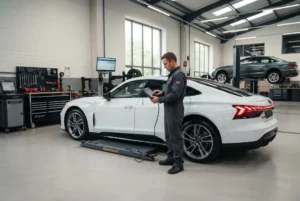
The modern servicing industry is changing as vehicles become more sophisticated. Electronic control systems, onboard diagnostics and advanced driver assistance technologies mean technicians may need specialised equipment and training to assess certain faults.
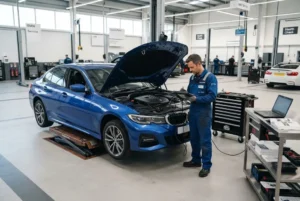
As a result, today’s vehicle servicing can involve considerably more than traditional visual inspections. Diagnostic checks may help identify electronic or mechanical issues, particularly when a warning light appears or the vehicle begins behaving differently.
Another important trend is the growing emphasis on preventative maintenance. Instead of waiting until a component fails, motorists are increasingly encouraged to follow scheduled maintenance and address early signs of wear. This approach can make vehicle ownership more predictable and may help prevent minor problems from developing into larger repairs.
These developments are part of the wider auto services landscape, where changing vehicle technology is influencing both garage practices and driver expectations.
Full Car Service vs Interim Service
One of the most common questions motorists have concerns the difference between a full service and an interim service. Although terminology can vary between garages, these services generally differ in the extent of checks and maintenance carried out.
Interim Service
An interim service is typically designed for vehicles that cover relatively high annual mileage or require maintenance between more comprehensive service appointments. Depending on the vehicle and garage, it may include checks of important components and replacement of items such as engine oil and an oil filter where required.
Drivers should always check exactly what an interim service includes before booking because service packages can differ.
Full Service
A full car service generally involves a broader inspection of the vehicle than an interim appointment. It can cover a wider selection of components and maintenance points, depending on the manufacturer’s requirements and the garage’s service checklist.
The appropriate schedule should ultimately be guided by the vehicle manufacturer’s recommendations rather than simply choosing the cheapest available package.
When Does Your Car Need a Service?
There is no single service interval that applies to every vehicle. Manufacturers establish maintenance schedules based on factors such as mileage, time and vehicle design. Some modern cars may also use onboard systems to provide service information.
Drivers should therefore consult their vehicle handbook or manufacturer’s service information rather than relying on general mileage figures found online.
Service history is also valuable when buying or selling a used vehicle. A well-maintained record can show when previous servicing took place and what work was completed. Keeping invoices and service documentation organised can make future maintenance easier to plan.
If you notice a dashboard warning light, unusual noise, vibration, fluid leak or change in performance, do not necessarily wait until the next scheduled service. Some symptoms require prompt professional assessment.
Seasonal Maintenance for UK Drivers
UK weather can change considerably throughout the year, and seasonal conditions can affect how vehicles are used. Cold temperatures, wet roads, reduced daylight and occasional severe weather can all make basic vehicle checks particularly important.
Before winter, drivers may want to pay particular attention to tyres, lights, windscreen visibility, battery condition and appropriate fluid levels. During warmer months, long journeys and higher temperatures can make tyre condition, cooling systems and air conditioning more relevant to vehicle comfort and reliability.
Seasonal checks should complement rather than replace routine servicing. A car that is properly maintained throughout the year is generally easier to prepare for changing driving conditions.
For motorists who want a more detailed maintenance checklist, our vehicle maintenance guidance provides a useful companion to this servicing guide.
How Modern Technology Is Changing Vehicle Servicing
Technology is now central to many aspects of vehicle maintenance. Modern cars can generate diagnostic information that helps technicians investigate faults, while electronic systems can influence everything from engine management to safety features.
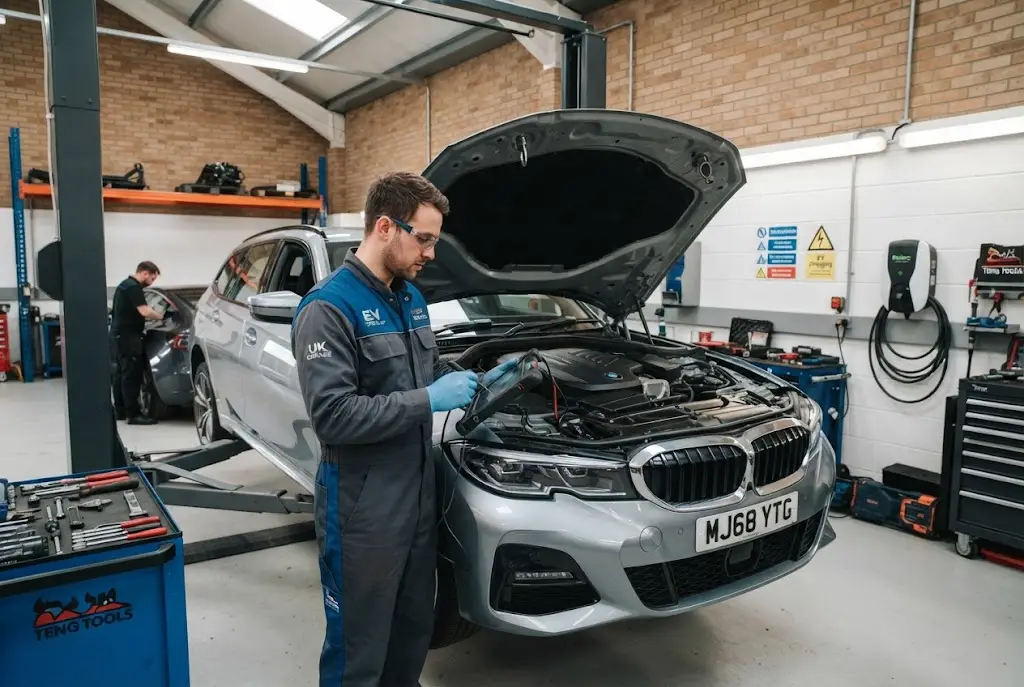
This means garage expertise matters more than ever. A workshop may need appropriate diagnostic equipment and technicians who understand the technology fitted to a particular vehicle.
Electric and hybrid vehicles are also contributing to changes within the servicing industry. Their mechanical requirements are not identical to those of conventional petrol and diesel cars, and some components and systems require specialist knowledge.
For consumers, the practical lesson is simple: choose a garage with the right experience and equipment for your vehicle rather than assuming every workshop provides the same level of service.
Choosing a Garage for Car Servicing
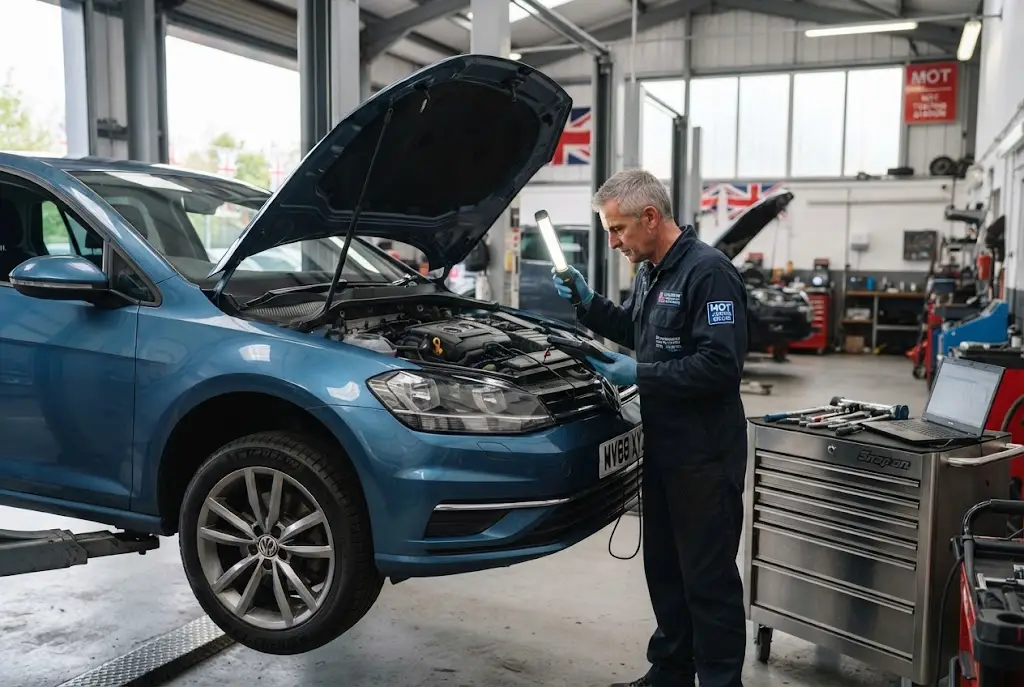
The quality of the garage you choose can have a significant effect on your servicing experience. Before booking, drivers should consider the garage’s reputation, relevant vehicle expertise, pricing transparency and the information provided about the work.
A good garage should be able to explain recommended maintenance in understandable language. If additional repairs are identified during a service, ask what the problem is, why it matters and whether the work needs immediate attention.
It is also sensible to request an itemised invoice or clear record of completed work. This helps preserve the vehicle’s maintenance history and provides useful information for future servicing.
Car Servicing and MOT Are Not the Same
Servicing and MOT testing are often discussed together, but they serve different purposes. An MOT is a legally required test for eligible vehicles that assesses whether the vehicle meets specific safety and environmental standards at the time of testing.
Servicing is broader in purpose because it forms part of ongoing vehicle maintenance. A car can pass its MOT and still require servicing or maintenance work. Likewise, a vehicle undergoing a service may need repairs before it can successfully complete its next MOT.
Drivers should therefore treat the two as complementary responsibilities rather than alternatives. Keeping track of both can help prevent important maintenance and compliance tasks from being overlooked.
Our dedicated MOT and service updates section can provide further context on testing requirements, regulatory developments and important information for UK motorists.
Questions to Ask Before Booking a Service
Taking a few minutes to ask questions can make a servicing appointment much clearer. Drivers may want to confirm what type of service is recommended, which checks are included and whether replacement parts or consumables are included in the quoted price.
- What type of service does my vehicle require?
- Which checks and maintenance tasks are included?
- Will diagnostic checks be carried out if necessary?
- Are replacement parts included in the quoted price?
- Will I receive a record of the work completed?
- Will the garage contact me before carrying out additional repairs?
Clear communication can help prevent misunderstandings and gives motorists a better understanding of the condition of their vehicle.
Practical Car Servicing Tips for Vehicle Owners
Drivers can make servicing easier by taking a proactive approach to vehicle care. Keep the service history up to date, follow manufacturer guidance and pay attention to changes in how the vehicle drives.
It is also worth checking simple items between professional appointments. Tyre pressures, lights, windscreen condition and visible fluid levels can be monitored regularly, while unusual noises or dashboard warnings should be investigated rather than ignored.
Good records are equally useful. Keep service invoices, repair receipts and relevant maintenance information together so that you can quickly see what work has already been completed.
Most importantly, do not postpone necessary maintenance simply because the vehicle still appears to be driving normally. Some mechanical and electronic problems may not produce obvious symptoms until they become more serious.
The Future of Car Servicing in the UK
The servicing sector is likely to continue evolving as the UK’s vehicle fleet changes. Connected technologies, increasingly sophisticated diagnostics, electric vehicles and new safety systems will influence the skills and equipment required by modern workshops.
For drivers, this means selecting a garage may increasingly depend on more than location and price. Vehicle-specific knowledge, diagnostic capability and familiarity with newer technologies can become important considerations.
At the same time, the fundamentals of responsible ownership remain familiar. Following an appropriate maintenance schedule, responding to warning signs and keeping reliable service records will continue to matter regardless of the vehicle’s powertrain.
Final Thoughts on Car Servicing
Car servicing remains one of the most practical ways for UK motorists to stay ahead of vehicle maintenance. While modern cars have introduced new technologies and more complex systems, regular checks and appropriate servicing continue to provide an important foundation for reliable ownership.
Rather than treating servicing as an occasional expense, drivers should view it as part of a broader vehicle-care routine. Follow manufacturer recommendations, use reputable professionals and investigate unusual symptoms promptly.
As vehicle servicing trends continue to develop, staying informed can help motorists make better decisions about maintenance, repairs and garage services. Combined with sensible vehicle checks and awareness of MOT requirements, good servicing habits can support safer and more confident motoring.