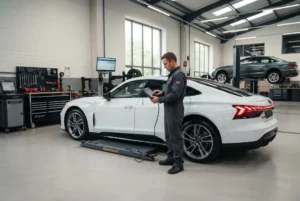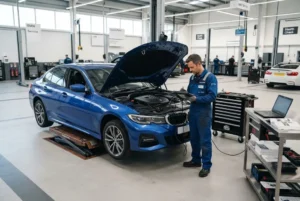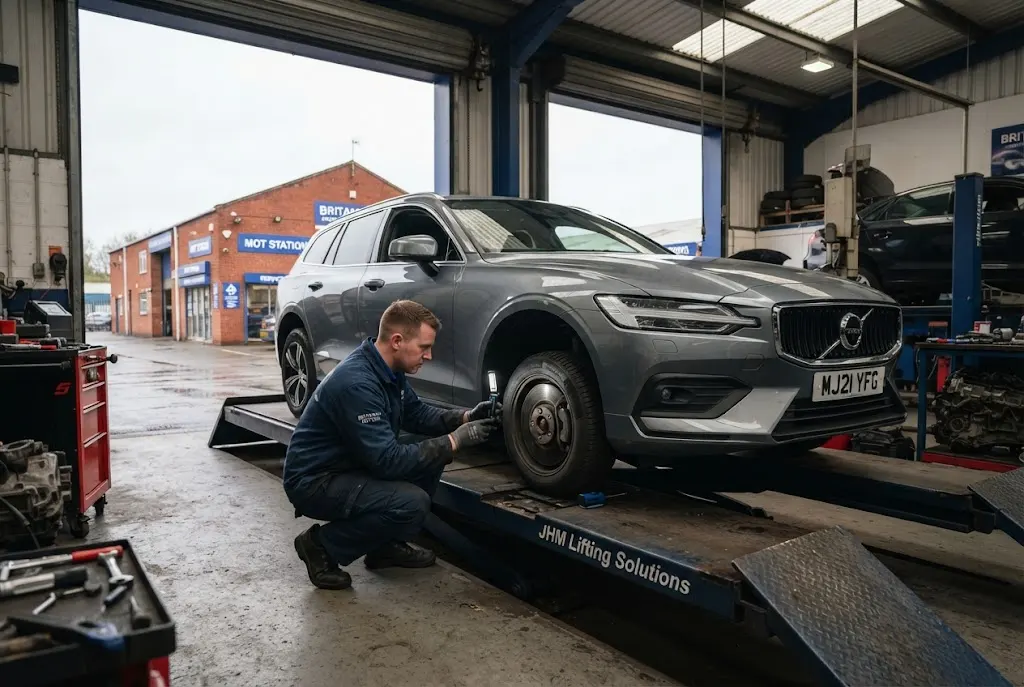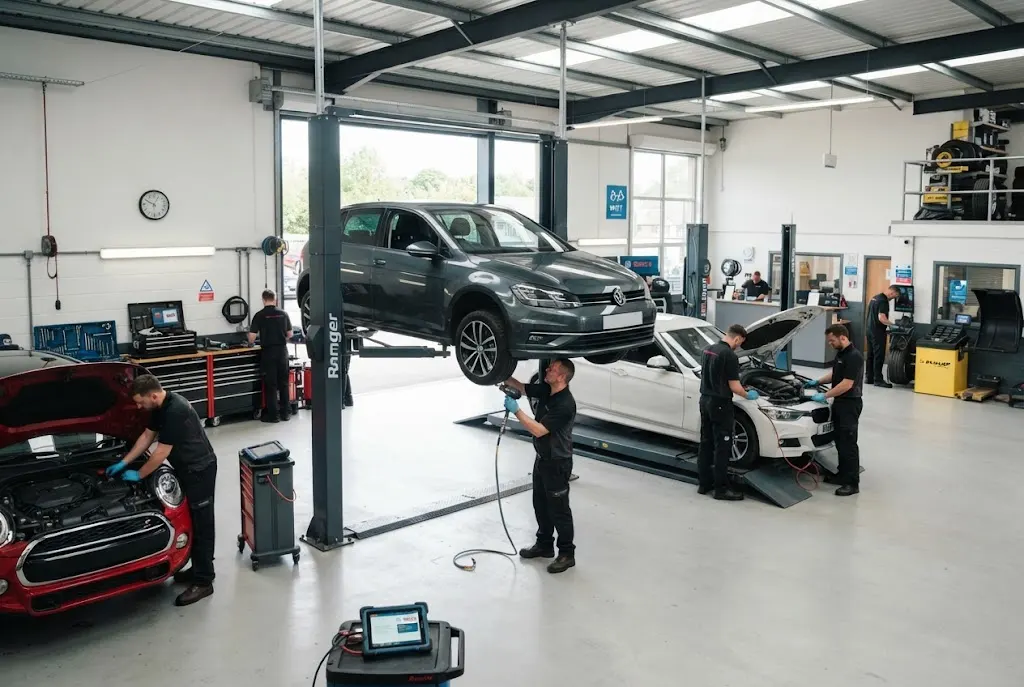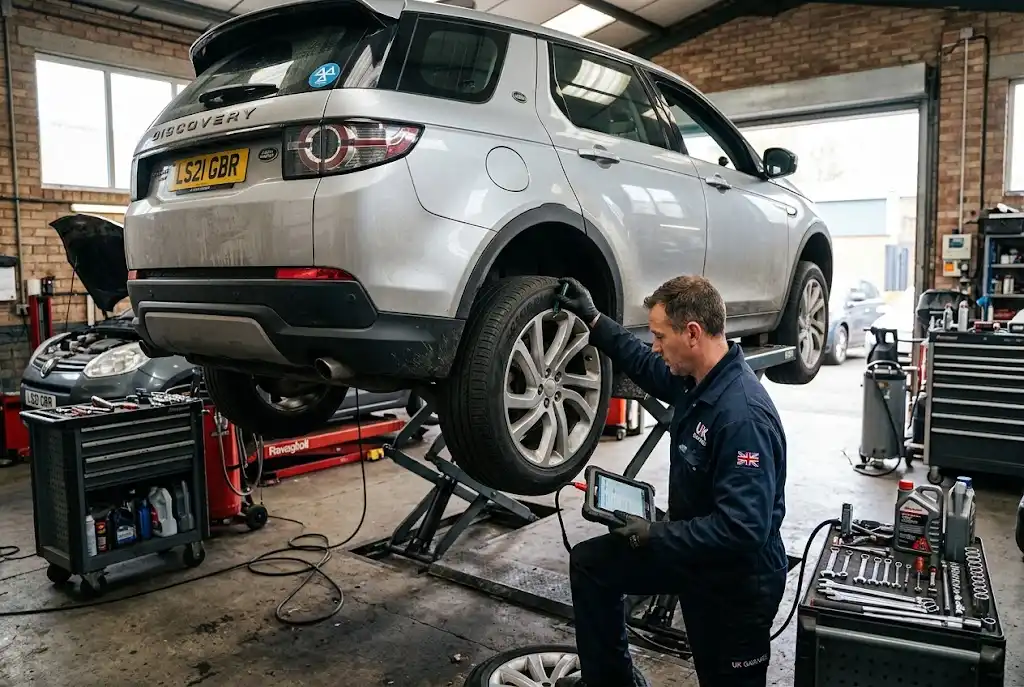
Vehicle maintenance is one of the most important responsibilities for UK drivers who want to keep their cars safe, reliable and suitable for everyday journeys. Routine checks can help identify developing problems, while following the correct service schedule can make it easier to manage wear and maintenance requirements over time.
However, maintaining a vehicle involves more than taking it to a garage once a year. Tyres, brakes, fluids, lights, batteries and other components all deserve attention, while seasonal driving conditions can introduce additional considerations. Understanding common maintenance warnings and keeping useful records can help motorists take action before a minor issue becomes a larger problem.
Why Vehicle Maintenance Matters for UK Drivers
Every vehicle experiences wear as it is driven. Components are exposed to mileage, weather, road conditions and normal use, meaning even a well-maintained car will eventually need inspection, adjustment or replacement of certain parts.
Regular maintenance gives drivers an opportunity to identify problems before they become more disruptive. A tyre with unusual wear, a brake that feels different or a dashboard warning light may indicate that professional attention is required.
Maintenance also supports reliability. Drivers who depend on their vehicles for commuting, family journeys or longer trips can reduce avoidable disruption by keeping routine checks and servicing up to date.
Vehicle maintenance should therefore be viewed as an ongoing process rather than a single appointment. It works alongside the wider auto services available to UK motorists, including servicing, diagnostics and professional repairs.
Vehicle Maintenance Checklist for Everyday Driving
A simple maintenance routine can help drivers monitor the condition of their vehicle between professional appointments. The exact requirements vary by vehicle, so the manufacturer’s guidance should always take priority.
- Tyres: Check pressures regularly and look for visible damage or unusual tread wear.
- Lights: Make sure headlights, brake lights, indicators and other exterior lights are working correctly.
- Fluids: Check relevant fluid levels according to the vehicle manufacturer’s instructions.
- Windscreen: Look for chips, cracks or other damage that could affect visibility.
- Wipers: Replace worn blades when they no longer clear the windscreen effectively.
- Brakes: Pay attention to unusual noises, vibrations or changes in braking performance.
- Battery: Be aware of signs such as difficulty starting the vehicle or other electrical issues.
These checks do not replace professional servicing. Instead, they give drivers a practical way to notice changes between scheduled maintenance appointments.
Understanding Your Vehicle Service Schedule
A service schedule provides a structured approach to maintaining a vehicle. Manufacturers generally provide guidance based on factors such as time, mileage and the vehicle’s design.
Drivers should keep track of when their next service is due and retain documentation showing previous work. This information can be particularly valuable when the vehicle is sold or when a garage needs to understand its maintenance history.
It is also important to distinguish scheduled servicing from an MOT. An MOT assesses whether an eligible vehicle meets specific legal safety and environmental standards at the time of the test. It does not replace routine maintenance or guarantee that a vehicle will remain mechanically sound throughout the year.
Following both the manufacturer’s maintenance recommendations and applicable MOT requirements provides a more complete approach to vehicle ownership.
Seasonal Vehicle Care in the UK
Changing weather conditions can influence how vehicles are used and maintained. UK drivers may face heavy rain, colder temperatures, reduced daylight, icy conditions and occasional severe weather throughout the year.
Before winter, it is sensible to pay closer attention to tyres, lights, battery condition and windscreen visibility. Drivers should also ensure they have appropriate screenwash and that their wiper blades remain effective.
Summer driving brings different considerations. Longer journeys, higher temperatures and increased use of air conditioning can place different demands on a vehicle. Checking tyre condition before a long trip is particularly sensible because tyres are an essential contact point between the vehicle and road.
Seasonal preparation should complement regular maintenance rather than replace it. A vehicle that receives appropriate attention throughout the year is easier to prepare when driving conditions change.
Vehicle Maintenance Warnings You Should Not Ignore
Some warning signs deserve immediate attention. Drivers should not assume that a vehicle is safe simply because it continues to operate normally.
Dashboard warning lights are one obvious example. The meaning and urgency of a warning depend on the vehicle and the specific symbol displayed. Consult the vehicle handbook or appropriate professional guidance to understand what the warning indicates.
Other signs can include unusual engine noises, steering changes, vibrations, reduced braking performance, unexplained fluid leaks or changes in vehicle handling.
If a problem appears suddenly or affects a safety-critical system, it is sensible to seek professional advice rather than continuing to drive without understanding the issue.
Preventive Maintenance Can Help Avoid Bigger Problems
Preventive maintenance means addressing routine maintenance requirements before components fail or problems become more serious. This can include following service intervals, replacing worn consumables and investigating unusual symptoms early.
The advantage is not simply financial. Preventive maintenance can also make vehicle ownership more predictable. Instead of waiting for an unexpected breakdown, motorists can identify some maintenance requirements in advance and plan suitable work.
For example, a technician may identify a component showing signs of wear during a routine inspection. The driver can then discuss the issue with the garage and determine the appropriate timing for any required work.
This proactive approach complements the broader car servicing process and can help motorists understand why scheduled maintenance matters.
Tyre Care and Vehicle Reliability
Tyres deserve particular attention because they directly affect the vehicle’s contact with the road. Incorrect pressures, visible damage or abnormal wear can indicate that a tyre or another part of the vehicle needs attention.
Drivers should check tyre pressures according to the vehicle manufacturer’s recommended figures rather than using a generic pressure. The correct information may be available in the vehicle handbook or displayed elsewhere on the vehicle.
Uneven tread wear can also be worth investigating. In some cases, it may be associated with alignment, suspension or other vehicle-related issues. A professional inspection can help establish the cause.
Regular tyre checks are especially useful before longer journeys or when seasonal conditions change.
Battery and Electrical Maintenance
Modern vehicles rely on electrical systems for far more than starting the engine. Lighting, entertainment, safety systems, sensors and other features may all depend on the vehicle’s electrical architecture.
A vehicle that becomes difficult to start, displays electrical warnings or develops unusual electrical behaviour may need professional assessment. Battery performance can also be affected by age, usage patterns and weather conditions.
Drivers should avoid assuming that every starting problem is simply a battery issue. A qualified technician can investigate the underlying cause and determine whether the battery, charging system or another component requires attention.
How Vehicle Technology Is Changing Maintenance
Modern cars can contain sophisticated electronic systems that influence diagnostics and maintenance. Warning lights and diagnostic information can help technicians investigate faults, while advanced driver assistance systems may introduce additional maintenance considerations.
As vehicles become more technologically complex, the expertise and equipment available at a garage can become increasingly important. Some repairs and diagnostic procedures may require specialist tools or knowledge.
This is particularly relevant as electric and hybrid vehicles become a larger part of the vehicle market. Their maintenance requirements can differ from those of conventional petrol and diesel vehicles, making appropriate technical expertise important.
Vehicle Maintenance and Safety Recalls
Routine maintenance is not the only source of important vehicle warnings. Manufacturers can issue safety recalls when a serious defect affecting a vehicle, component or accessory requires corrective action.
The UK Government provides an official service that allows motorists to check whether a vehicle, part or accessory has been recalled because of a serious safety problem. Drivers should take applicable recall notices seriously and follow the manufacturer’s instructions for resolving the issue.
Recall information is separate from normal servicing, which means a vehicle can have an up-to-date service history while still being affected by a later recall. Checking official information can therefore form another useful part of responsible vehicle ownership.
For broader repair developments and consumer warnings, drivers can also follow our auto repair services coverage.
Keeping Better Maintenance Records
Good records can make vehicle ownership easier. Keep service invoices, repair documentation, inspection results and other relevant maintenance information in one place.
A maintenance record can help answer practical questions such as when a component was last replaced, what work a previous garage completed and when the next scheduled service may be due.
These records can also be useful when selling a vehicle. A clear history gives a prospective buyer more information about how the vehicle has been maintained.
When to Use a Professional Garage
Drivers can carry out certain basic visual checks themselves, but more complex maintenance should be handled by an appropriately qualified professional. Braking systems, steering, suspension, electronic diagnostics and other safety-critical components can require specialist knowledge and equipment.
If you are unsure about a problem, explain the symptoms to a reputable garage and ask for an assessment. Avoid approving unnecessary work without understanding what has been identified and why the repair is recommended.
A transparent garage should be able to explain the problem and provide information about the proposed work. Keeping a written record of completed repairs can then help maintain a useful vehicle history.
How to Build a Practical Vehicle Maintenance Routine
A good routine does not need to be complicated. Start by following the manufacturer’s service recommendations and keeping track of important dates. Between professional appointments, carry out appropriate basic checks and remain alert to changes in the vehicle.
Before longer journeys, take a few minutes to check tyres, lights, windscreen visibility and other basic items. After periods of unusual weather, inspect the vehicle for visible problems and address anything that looks abnormal.
Most importantly, respond promptly to warning signs. Early professional assessment can help establish whether an issue is minor, requires planned maintenance or needs urgent attention.
Final Thoughts on Vehicle Maintenance
Vehicle maintenance is an ongoing responsibility that combines routine checks, scheduled servicing, professional repairs and awareness of potential safety issues. For UK motorists, seasonal conditions and changing vehicle technology make staying informed increasingly useful.
The best approach is proactive rather than reactive. Follow the manufacturer’s recommendations, keep accurate records, check important components regularly and investigate unusual symptoms instead of ignoring them.
When combined with appropriate servicing and MOT awareness, sensible maintenance habits can help drivers stay better prepared for everyday journeys and unexpected problems. As automotive technology continues to develop, maintaining a vehicle will increasingly involve both traditional mechanical care and greater awareness of electronic and safety systems.