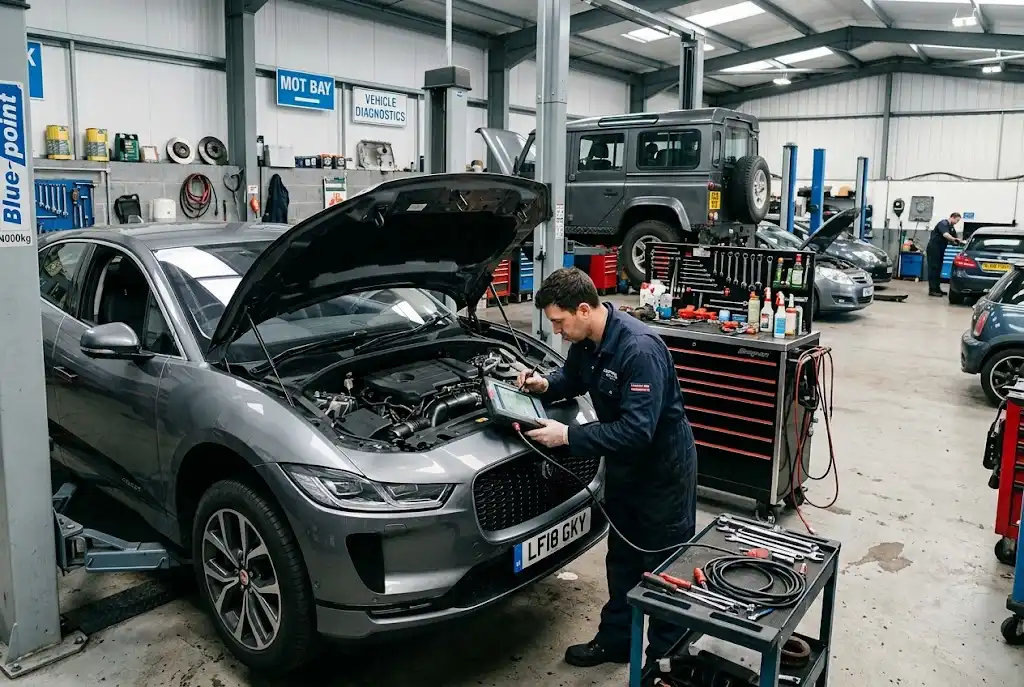
Auto repair services are an essential part of vehicle ownership, particularly when routine maintenance identifies worn components or an unexpected fault affects a car’s performance. For UK motorists, understanding repair developments, workshop practices, parts availability and safety warnings can make it easier to respond when a vehicle needs professional attention.
Modern vehicles can be mechanically and electronically complex, so repairing a car is no longer limited to replacing traditional mechanical components. Diagnostic equipment, specialist knowledge and vehicle-specific repair procedures can all play a role. This guide explores the key auto repair issues UK drivers should understand while connecting repair information with the wider servicing and maintenance topics in this automotive cluster.
What Do Auto Repair Services Cover?
Auto repair services cover work carried out to restore or maintain a vehicle when a component has developed a fault, become damaged or reached the end of its useful service life.
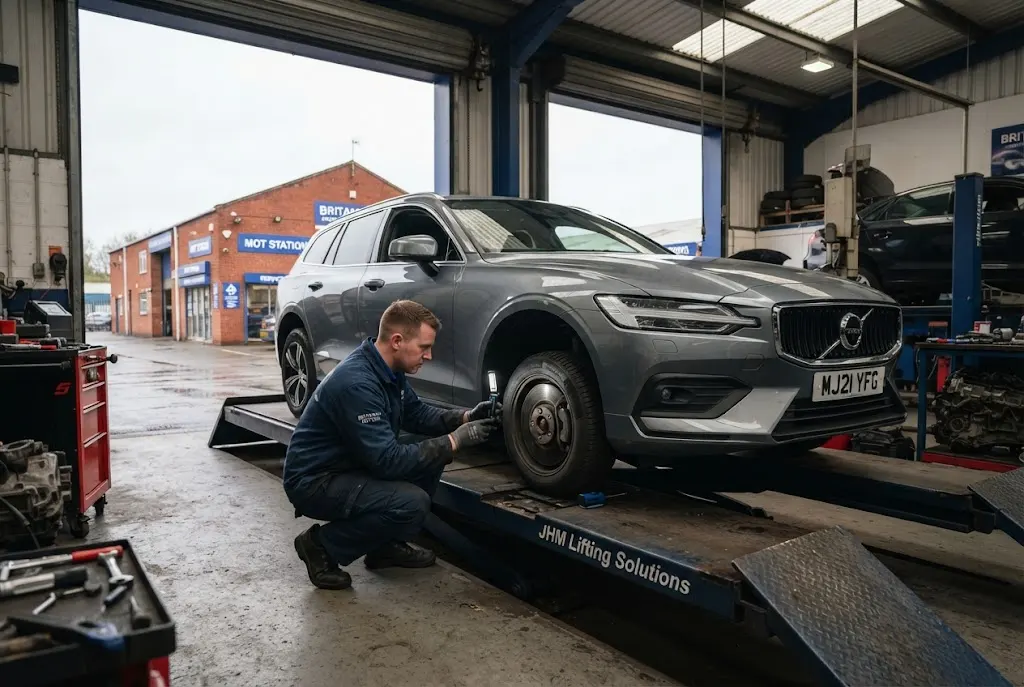
Depending on the vehicle and the problem, repairs can involve braking systems, suspension, steering, exhaust components, batteries, electrical systems, engines, transmissions, cooling systems and other parts. Modern vehicles may also require electronic diagnostics before a technician can identify the cause of a warning light or performance issue.
Not every repair is equally urgent. A reputable garage should be able to explain the problem, identify any safety implications and provide information about the recommended repair before significant work is authorised.
Understanding repairs also becomes easier when motorists keep up with vehicle maintenance guidance. Preventative maintenance can sometimes identify developing issues before they become more disruptive.
Why Vehicle Repair Trends Are Changing
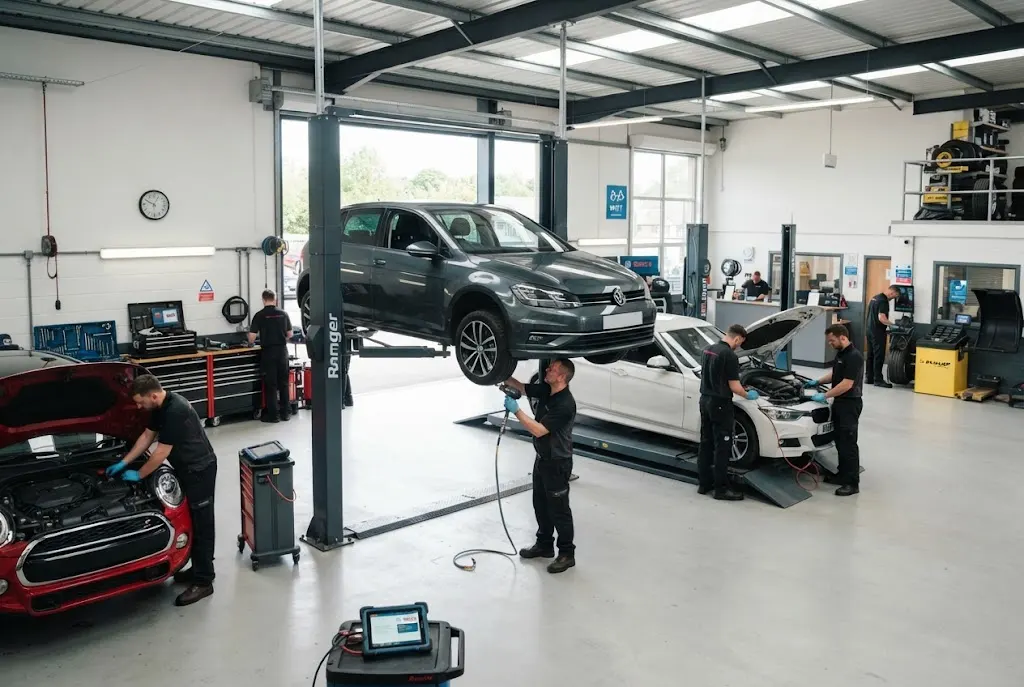
The repair industry continues to adapt as vehicle technology develops. Modern cars increasingly use electronic control systems, sensors and computer-managed components. Consequently, technicians may need specialist diagnostic equipment and training alongside traditional mechanical skills.
Electric and hybrid vehicles introduce further differences. Although many basic vehicle-care principles remain familiar, their powertrain and high-voltage systems require appropriate expertise and safety procedures.
This means that the most suitable garage is not necessarily the one offering the lowest advertised price. Vehicle-specific experience, diagnostic capability and appropriate equipment can all matter when complex faults need investigation.
Common Signs Your Car May Need a Repair
Drivers should pay attention to changes in how their vehicle sounds, feels or performs. Some warning signs can indicate that professional inspection is appropriate.
- Unusual engine or mechanical noises.
- Vibrations that were not previously present.
- Changes in steering or vehicle handling.
- Reduced braking performance or unusual brake noises.
- Dashboard warning lights.
- Difficulty starting the vehicle.
- Unexplained fluid leaks.
- Loss of power or changes in acceleration.
- Unusual smells or smoke.
The same symptom can have several possible causes, so motorists should avoid attempting to diagnose serious faults based solely on a general online description. A qualified technician can inspect the vehicle and establish what needs attention.
Auto Repair Services and Diagnostic Technology
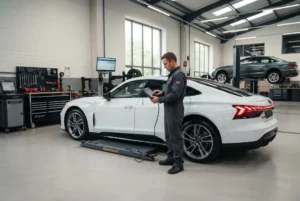
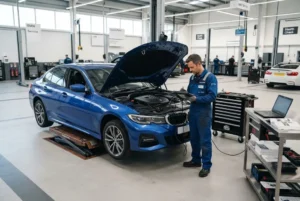
Diagnostic technology has become an important part of modern vehicle repair. When an electronic warning appears, technicians may use diagnostic equipment to retrieve fault information and investigate the affected system.
A diagnostic code does not always mean that the component identified by the code simply needs replacing. Further testing may be necessary to determine the underlying cause. This is why professional diagnosis can be valuable before expensive parts are installed.
Drivers should ask the garage to explain what has been identified and what evidence supports the recommended repair. Clear communication helps motorists understand whether the proposed work addresses the underlying problem or is part of a wider investigation.
Repair Recalls and Safety Alerts
Vehicle owners should distinguish between ordinary repairs and manufacturer safety recalls. A recall can occur when a manufacturer identifies a serious safety-related defect affecting a vehicle, part or accessory.
The UK Government provides an official service that allows motorists to check whether a vehicle, part or accessory has been recalled because of a serious safety problem. Drivers should follow the manufacturer’s instructions if their vehicle is affected.
A recall is not necessarily a sign that a vehicle has been poorly maintained. It can relate to a manufacturing or design issue affecting a particular vehicle or component. However, an applicable recall should be taken seriously because safety defects may require corrective action.
Consumers can therefore make recall checks part of their broader vehicle-care routine, alongside servicing and routine inspections.
Repair Shortages and Parts Availability
Parts availability can influence how quickly a vehicle repair is completed. Common replacement components may be readily available, while specialist or less frequently required parts can sometimes take longer to source.
Availability can depend on the vehicle’s age, model, component type and supply arrangements. Imported or specialist vehicles may also present different sourcing challenges.
If a repair is delayed because a part is unavailable, motorists should ask the garage for a realistic explanation of the situation and whether there are suitable alternatives. However, safety and compatibility should remain more important than simply finding the fastest available component.
Drivers should also be cautious about approving unfamiliar replacement parts without understanding their suitability. A reputable repairer should be able to explain the proposed part and why it is appropriate for the vehicle.
Parts Shortages and Their Effect on Workshops
Parts availability is another important area in repair industry news. Garages depend on manufacturers, distributors and parts suppliers to obtain everything from routine service components to specialist replacement parts.
When a required component is unavailable, a workshop may have to wait before completing the job. The situation can be particularly inconvenient when the vehicle cannot safely be driven while the repair is outstanding.
Vehicle owners can reduce uncertainty by asking whether the required parts are currently in stock before authorising major work. For larger repairs, it may also be useful to ask whether the quoted completion date depends on parts arriving from another supplier.
These conversations become even more important for older or less common vehicles, where replacement components may not be as readily available as parts for popular models.
How Drivers Can Respond to Repair Delays
When a repair takes longer than expected, communication is usually the best starting point. Ask the workshop what has caused the delay and whether the original estimate needs to be revised.
It is also sensible to keep written records of major repair discussions, particularly when the work involves significant costs or a vehicle is expected to remain at the garage for an extended period.
If another workshop may be able to complete the repair sooner, compare the situation carefully rather than automatically moving the vehicle. Transferring an unfinished repair can create additional diagnostic or transport costs, depending on the circumstances.
How to Choose a Garage for Auto Repairs
Choosing a garage is an important decision when a vehicle develops a fault. Start by considering whether the workshop has experience with the relevant vehicle type and repair.
Transparency is equally important. Before authorising significant work, ask what has been diagnosed, what needs repairing and what the estimated cost includes. If additional faults are discovered during the repair, establish whether the garage will contact you before carrying out extra work.
It is also useful to retain the final invoice and repair information. These records can help with future maintenance and provide a clearer picture of the vehicle’s history.
For ongoing maintenance rather than fault-related repairs, our guide to car servicing explains why scheduled professional attention remains important.
Repair Costs and Getting Clear Estimates
Repair prices can vary significantly depending on the vehicle, component, labour requirements and complexity of the fault. A simple replacement may be relatively straightforward, while diagnosing an intermittent electrical problem can require considerably more investigation.
Drivers should ask for a clear estimate before approving major work. It is useful to understand whether the quoted figure includes parts, labour, diagnostic time and any applicable taxes or additional charges.
Do not automatically assume that the cheapest estimate is the best option. The quality of parts, technician expertise, warranty arrangements and scope of work can all influence the overall value of a repair.
When a Repair Should Not Be Delayed
Some problems can have direct safety implications and should receive prompt attention. Braking issues, serious steering problems, significant tyre damage, severe fluid leaks and major warning lights are examples of situations where continuing to drive without professional assessment may be unwise.
If the vehicle behaves dangerously or suffers a serious failure while driving, prioritise safety and seek appropriate assistance rather than attempting to continue the journey.
Routine warning signs can also deserve attention even when the car remains driveable. A problem that appears manageable today may become more serious if its underlying cause is ignored.
Auto Repair Services After an MOT
An MOT can identify certain defects that prevent an eligible vehicle from meeting the required testing standards. When repairs are necessary following an MOT, drivers should understand what has been identified and what work is required before the vehicle can meet the relevant requirements.
However, an MOT is not a substitute for routine servicing. A vehicle can pass an MOT while still requiring maintenance or developing issues that are outside the scope of the test.
For that reason, motorists should consider MOT testing and regular servicing as separate but complementary aspects of vehicle ownership. Staying informed about MOT and service updates can also help drivers keep track of important testing and compliance developments.
How Preventative Maintenance Can Reduce Repair Problems
Preventative maintenance does not eliminate the possibility of unexpected repairs, but it can help motorists identify certain issues earlier. Following the recommended service schedule, checking tyres and lights and responding to warning signs can all support better vehicle care.
Regular servicing can also provide opportunities for technicians to identify worn components. Depending on the issue, planned maintenance may be more convenient than waiting until a component fails during an important journey.
Drivers should nevertheless follow vehicle-specific recommendations. Maintenance requirements vary between models, engines, powertrains and driving conditions, so generic advice should not replace manufacturer guidance.
Consumer Questions to Ask Before a Repair
Good communication with a garage can make the repair process much easier. Before approving work, motorists may want to ask:
- What fault has been identified?
- How was the problem diagnosed?
- Is the repair safety-critical?
- What parts are required?
- How much will the complete repair cost?
- How long is the repair expected to take?
- Will additional work require my approval?
- What warranty or guarantee applies to the repair?
These questions do not guarantee a particular outcome, but they help create a clearer understanding between the driver and repairer.
What Breaking Automotive News Means for Vehicle Owners
Breaking automotive news does not always involve a dramatic vehicle launch or major manufacturer announcement. Developments involving recalls, repair procedures, component availability, workshop technology and consumer protection can be equally relevant to everyday motorists.
For example, a newly announced recall may require affected owners to arrange an inspection. A change in parts availability could influence repair times. A new diagnostic requirement could affect which workshops are equipped to handle a particular vehicle.
That is why repair industry news should be viewed from a practical consumer perspective. The most useful question is not simply what has changed, but how that change could affect vehicle safety, repair availability, ownership costs or the time required to get a car back on the road.
The Future of Auto Repair Services in the UK
The UK repair sector will continue to evolve as the vehicle fleet changes. Electric vehicles, connected cars, advanced safety systems and increasingly sophisticated electronics are likely to influence workshop equipment and technician skills.
For motorists, the result is a growing need to choose repair providers according to the type of vehicle and fault involved. A workshop that specialises in conventional mechanical repairs may not necessarily offer the same expertise for every modern electronic or high-voltage system.
At the same time, traditional maintenance remains important. Tyres, brakes, suspension, steering and other physical components will continue to require appropriate inspection and repair.
Final Thoughts on Auto Repair Services
Auto repair services help UK motorists deal with everything from routine component replacement to complex diagnostic problems. As vehicles become more technologically advanced, choosing an appropriately equipped and experienced garage is becoming increasingly important.
Drivers can make the repair process easier by responding promptly to warning signs, asking clear questions, requesting transparent estimates and keeping records of completed work. Safety recalls and official consumer alerts should also be treated separately from ordinary maintenance and taken seriously when they apply.
Ultimately, good vehicle ownership combines preventative care with timely professional repairs. By following the latest repair developments alongside reliable auto services information, UK motorists can make more informed decisions and stay better prepared when their vehicles need attention.