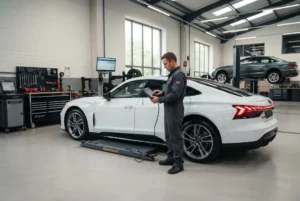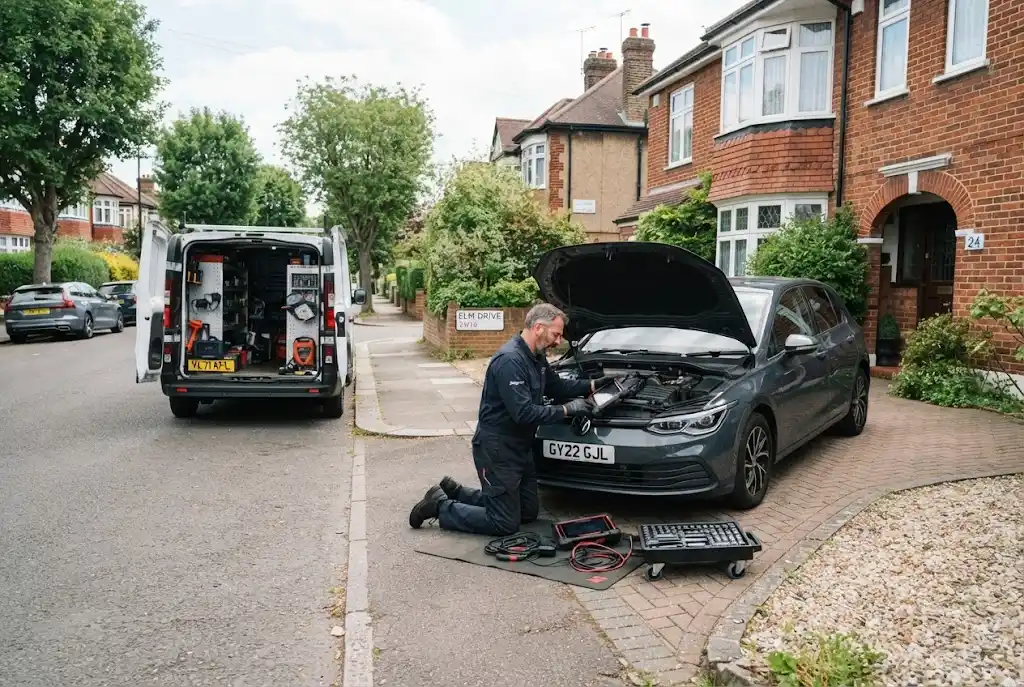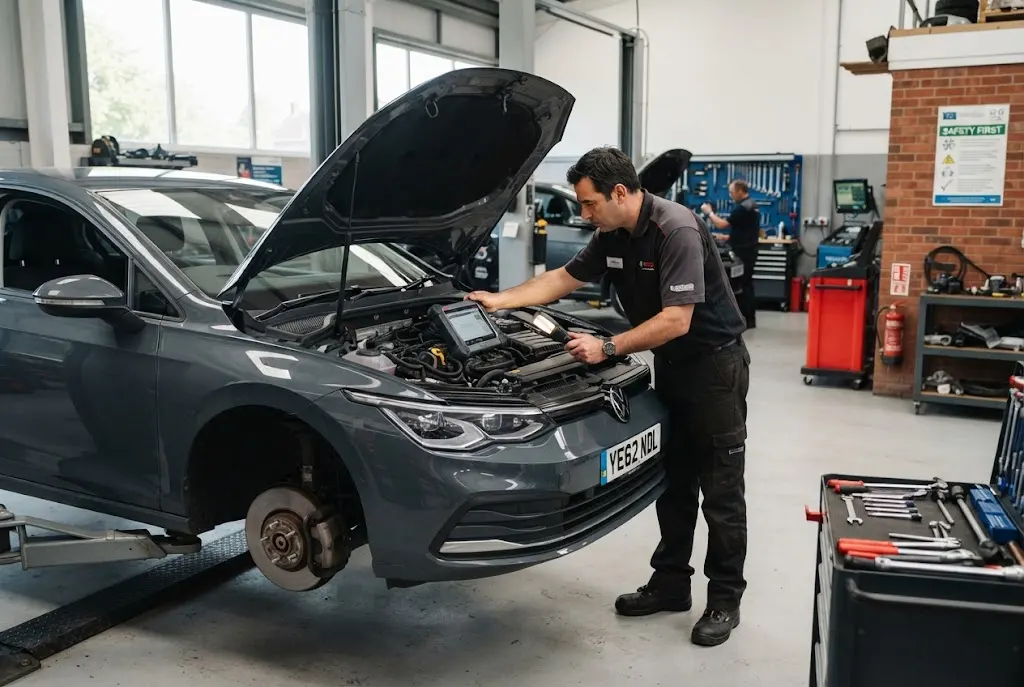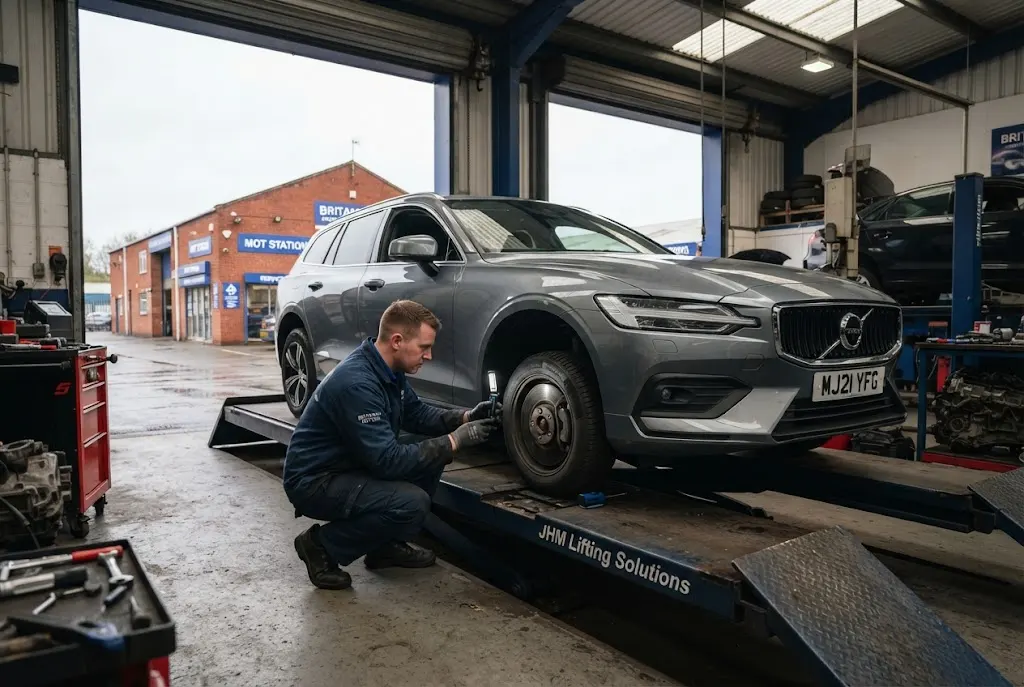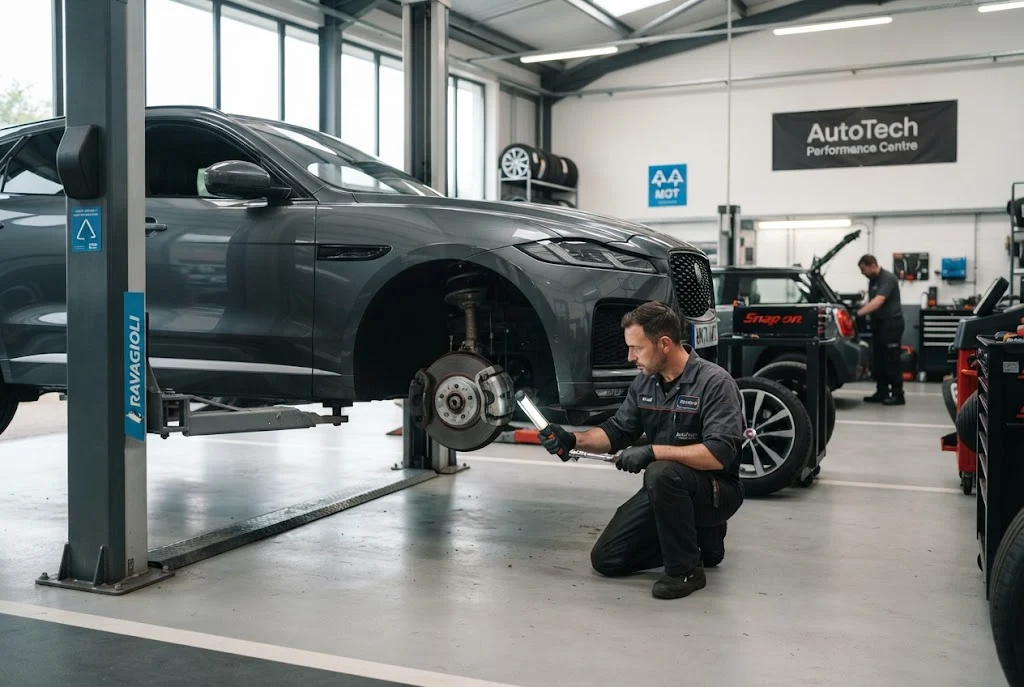
Keeping a vehicle safe on UK roads involves more than waiting for an annual MOT. Auto inspection services can help drivers identify potential problems earlier, understand vehicle condition and make better maintenance decisions. From basic safety checks to diagnostic assessments, inspections give motorists a clearer picture of what may need attention before a minor issue becomes a more expensive repair.
For UK drivers, regular attention to roadworthiness is particularly important because a vehicle can become unsafe even when it has a valid MOT. The government advises motorists to remain responsible for the condition of their vehicle at all times, including checking essentials such as lights, brakes, tyres, windows and mirrors.
Why Auto Inspection Services Matter
Auto inspection services provide a structured way to assess a vehicle’s condition. While the exact scope depends on the garage and type of inspection, a professional assessment may look at safety-related components, visible defects, fluid levels, tyres, brakes, steering and other areas that influence everyday driving.
An inspection can be useful before a long journey, after purchasing a used vehicle, when unusual symptoms appear or when a driver wants greater confidence in the condition of an ageing car. It can also complement routine servicing rather than replacing it.
That distinction matters. An MOT determines whether a vehicle meets specific legal safety and environmental standards at the time of testing, but it does not cover every mechanical component. For example, the official MOT guidance states that the engine, clutch and gearbox are not part of the standard MOT test. GOV.UK’s MOT guidance explains what the test does and does not cover.
Vehicle Inspection and Everyday Roadworthiness
A vehicle inspection should ultimately support one goal: keeping the car roadworthy between formal tests. Drivers should not assume that passing an MOT means every component will remain in good condition until the next test.
Tyres provide a good example. Tread depth, visible damage and correct inflation can all affect safety, while worn brakes may gradually become noticeable through changes in braking performance. Lights, windscreen condition, mirrors and fluid levels also deserve regular attention.
The UK’s official guidance recommends that drivers carry out basic checks whenever they drive and follow the vehicle handbook for maintenance intervals. This makes routine inspection a practical part of vehicle ownership rather than something reserved for MOT season.
What Drivers Can Check Themselves
Some basic checks do not require specialist equipment. Before driving, motorists can look at whether the lights are working, whether the windscreen and mirrors provide clear visibility and whether the tyres appear correctly inflated and free from obvious cuts or defects.
Other checks are better left to qualified professionals, particularly where the driver notices warning lights, unusual noises, steering problems, braking changes or fluid leaks. Attempting to diagnose a complex mechanical problem without suitable knowledge can create additional risks.
Safety Checks Before an MOT
Many drivers think about inspection only when their MOT is approaching. However, a pre-MOT inspection can help identify obvious issues before the official test. This can give motorists time to arrange repairs rather than discovering a problem at an inconvenient moment.
Common areas worth checking include tyres, lights, brakes, suspension-related symptoms, windscreen condition, registration plates and visible exhaust or emissions problems. The precise items assessed during an MOT depend on the vehicle class and applicable testing requirements.
Official MOT data published by the Driver and Vehicle Standards Agency provides useful insight into inspection outcomes and defect categories. The latest published data is updated quarterly, allowing drivers and industry observers to follow changes in common MOT failures and defects over time.
Inspection Reminders Can Prevent Missed Maintenance
One of the simplest improvements drivers can make is to create inspection reminders. A calendar reminder for an MOT is useful, but vehicle ownership involves several other dates and checks as well.
Drivers may want reminders for scheduled servicing, tyre inspections, fluid checks, seasonal preparation and recurring warning-light issues. Keeping a record of completed work can also make it easier to understand the vehicle’s maintenance history.
When buying a used car, checking its MOT history can provide additional context. A history of advisories or repeated defects may help a buyer ask better questions before committing to a purchase. This is especially useful when combined with a professional pre-purchase inspection.
Diagnostic Updates and Modern Vehicles
Modern vehicles increasingly rely on electronic systems to monitor components and report potential problems. Dashboard warning lights can therefore become an important part of the inspection process.
A diagnostic assessment can help technicians investigate electronic fault codes and identify areas that may require further testing. However, a diagnostic code should not automatically be treated as a complete diagnosis. Skilled technicians may need to combine electronic information with physical inspection and road testing to determine the underlying cause.
This is particularly relevant as vehicles become more dependent on sensors, driver-assistance systems and computer-controlled components. Inspection methods are consequently evolving alongside vehicle technology.
When Should You Book an Inspection?
There is no single inspection schedule that suits every vehicle. Age, mileage, usage, driving conditions and the manufacturer’s maintenance recommendations can all influence how frequently a vehicle should be assessed.
However, several situations justify extra attention:
- Before buying a used vehicle
- Before a long-distance holiday or road trip
- After an accident or significant impact
- When a warning light appears
- When braking, steering or handling changes
- When unusual noises, smells or vibrations develop
- Before an MOT when the vehicle has known issues
- When an older vehicle has not received a recent inspection
These situations do not necessarily mean the vehicle has a serious fault. Instead, they are useful triggers for taking a closer look before a small concern develops into a larger problem.
Consumer Advice When Choosing an Inspection Service
Drivers should understand what is included before booking an inspection. Not every service provides the same level of assessment, so it is worth asking whether the inspection is visual, mechanical, diagnostic or designed specifically for MOT preparation.
Consumers should also ask whether the garage will provide a written report, explain identified defects and separate urgent safety concerns from recommendations that can be addressed later. Clear explanations make it easier to prioritise repairs.
Price should be considered alongside the scope of the inspection. A cheaper assessment may not provide the same depth as a more comprehensive inspection, while an expensive package is not automatically better for every vehicle. The right choice depends on the driver’s objective and the condition of the car.
Understanding Inspection Trends in the UK
Inspection trends can provide useful information for both motorists and automotive businesses. Government MOT data tracks test results and defect categories across different vehicle classes, helping show which areas frequently contribute to failed or defective tests.
For example, recent DVSA data for cars and light vans records defect categories including brakes, lamps and electrical equipment, body and structure, and noise, emissions and leaks. These figures should not be interpreted as a prediction for an individual vehicle, but they can help explain why routine checks remain valuable.
Following the latest inspection information can also help consumers distinguish genuine maintenance advice from viral motoring claims. When a safety recommendation becomes popular online, drivers should look for reliable evidence before spending money on a repair or product.
Auto Inspection Services and Preventive Maintenance
Inspection works best when it forms part of a wider preventive maintenance approach. An inspection identifies potential concerns; servicing addresses scheduled maintenance requirements; repairs resolve confirmed faults.
Keeping these activities connected can make vehicle ownership more predictable. Drivers can record inspection findings, monitor recurring issues and plan repairs according to urgency rather than reacting only when something fails.
This approach also supports better ownership decisions. A vehicle that repeatedly develops the same expensive problem may need a different strategy from one that only requires routine maintenance. Good records make those decisions easier to evaluate.
Preparing for Future Auto Service Trends
The UK automotive service market is changing as vehicles become more connected and technologically advanced. Diagnostic equipment, electronic systems and increasingly complex safety technology are likely to remain important parts of vehicle inspection.
At the same time, consumers continue to look for convenient ways to manage maintenance. This creates opportunities for services that combine professional inspections with digital reminders, clear reports and convenient booking options.
For drivers, the key principle remains simple: do not wait for a major warning before paying attention to vehicle condition. Regular checks can provide useful information about what needs attention now, what can be monitored and when professional assistance may be appropriate.
Final Thoughts on Vehicle Inspections
Auto inspection services can give UK motorists a practical way to stay ahead of potential vehicle problems. They complement the MOT rather than replacing it, helping drivers understand condition, identify concerns and make informed maintenance decisions throughout the year.
Regular safety checks, sensible inspection reminders and reliable diagnostic information can all contribute to better vehicle care. Whether the goal is preparing for an MOT, buying a used car or simply maintaining an older vehicle, a well-timed inspection can provide valuable peace of mind.
As vehicle technology and consumer expectations continue to change, inspection services will remain an important part of responsible motoring. Drivers who combine professional assessments with everyday checks are better positioned to maintain roadworthiness and respond to problems before they become more serious.