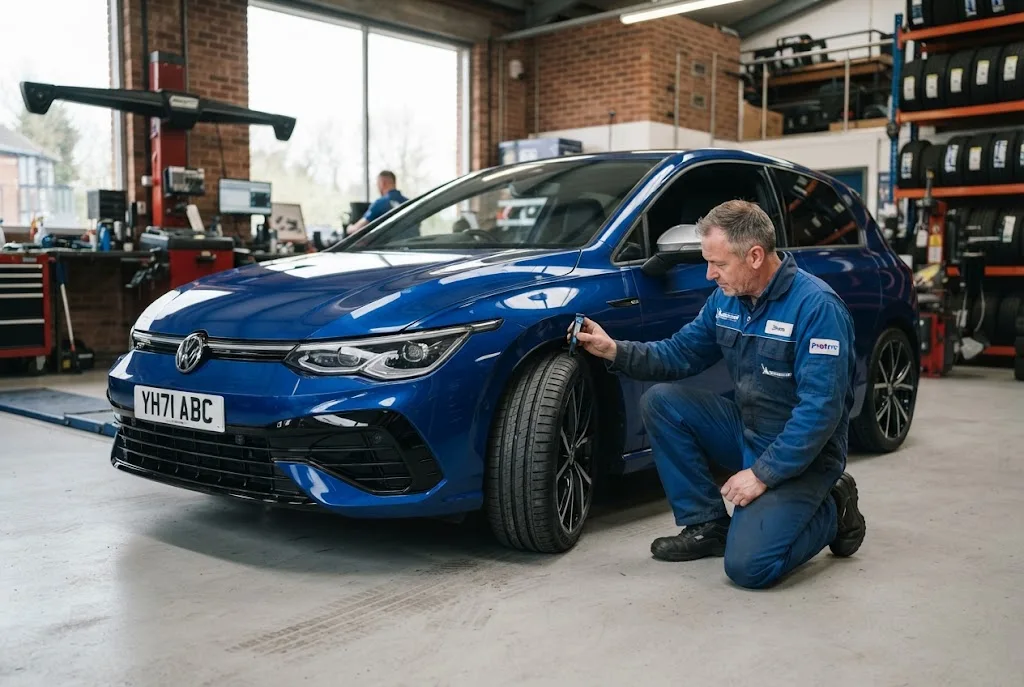
Tyre services remain an important part of safe motoring in the UK, particularly as drivers face changing weather, longer journeys and the need to keep vehicles roadworthy. From routine tyre fitting and replacement to monitoring tyre recalls and road safety alerts, knowing when to check your tyres can help prevent avoidable problems on the road.
Tyres are one of the few parts of a vehicle that remain in constant contact with the road. Their condition affects grip, braking, steering and overall driving stability. For that reason, drivers should treat tyre checks as a regular part of vehicle maintenance rather than something to consider only when an MOT is approaching.
Why Tyre Services Matter for UK Drivers
Professional tyre services cover much more than simply fitting a new set of tyres. Depending on the vehicle and its condition, a reputable provider may offer tyre inspections, pressure checks, puncture-related services, wheel balancing, tyre fitting, replacement and advice on selecting suitable tyres.
Regular attention is especially useful when a vehicle is driven frequently, carries heavy loads or covers long motorway distances. Uneven wear can sometimes indicate an underlying issue with wheel alignment, suspension or tyre pressure. Identifying these problems early can help prevent further damage and improve driving confidence.
Drivers should also remember that an MOT certificate does not mean a vehicle can be ignored between inspections. GOV.UK states that drivers are responsible for ensuring their vehicle remains safe to drive and specifically advises checking tyres for correct tread depth and defects. GOV.UK vehicle safety guidance provides the official checklist for drivers.
Tyre Safety Checks Every Driver Should Know
Basic tyre safety does not require specialist equipment for every check. Drivers can make a quick visual inspection before longer journeys and look for obvious signs of damage, abnormal wear or other defects.
For cars, light vans and light trailers, the legal minimum tread depth is 1.6mm across the central three-quarters of the tyre and around the entire circumference. Tyres should also be free from relevant cuts, bulges and other defects.
Tyre pressure is equally important. The recommended pressure can normally be found in the vehicle handbook or manufacturer information. Incorrect inflation can affect handling, braking, fuel efficiency and tyre life, so pressures should be checked regularly and adjusted according to the manufacturer’s specification.
A visual check should also include the sidewalls. Cracks, bulges, cuts or other unusual damage should not be ignored. If there is any doubt about whether a tyre remains safe, professional inspection is preferable to continuing to drive on it.
Tyre Recalls and Road Safety Alerts
Tyre recalls are another reason drivers should pay attention to vehicle safety information. A tyre or other vehicle component can be recalled when a serious safety problem is identified. UK government guidance allows drivers to check whether tyres, vehicle parts or accessories have been subject to a safety recall.
When a safety recall applies, the manufacturer normally provides information about the problem and the action required. Safety recall repairs or replacement parts are generally provided without charge, although the exact process depends on the recall and manufacturer.
Drivers should not assume that recalls are limited to complete vehicles. GOV.UK specifically includes tyres among the parts and accessories that can be checked for safety recalls. This makes recall awareness an important part of modern tyre safety.
Road safety alerts can also highlight wider risks affecting motorists. If a manufacturer, government body or safety authority identifies a serious defect, drivers should follow the recommended instructions rather than continuing to use an affected component without checking it.
When Tyre Replacement Is Necessary
Tyre replacement is not simply about waiting until the tread reaches the legal minimum. A tyre can require attention because of damage, uneven wear, age-related deterioration or a defect even when there appears to be usable tread remaining.
Drivers should consider professional advice when they notice:
- Visible cuts, cracks or bulges on the tyre.
- Unusual or uneven tread wear.
- Repeated loss of tyre pressure.
- Vibration or changes in handling.
- Damage following contact with a kerb or pothole.
- A tyre that has been identified as part of a safety recall.
Replacing a damaged tyre promptly can be safer than continuing to drive while hoping the problem will disappear. If only one tyre needs replacement, drivers should also seek advice about compatibility, axle pairing and the vehicle manufacturer’s requirements.
It is also useful to consider the wider condition of the vehicle before fitting replacement tyres. A tyre that repeatedly develops uneven wear may be highlighting an alignment or suspension issue rather than being the only problem.
Choosing Professional Tyre Fitting
Correct tyre fitting is an important part of the overall service. A tyre needs to be suitable for the vehicle and installed correctly so that it can perform as intended.
Professional tyre fitting can also provide an opportunity to identify problems that may not be obvious during a quick driveway inspection. A technician can examine the tyre and wheel combination, identify visible damage and check for uneven wear or other concerns.
After fitting, drivers should follow the manufacturer’s recommendations for tyre pressures and take note of any changes in steering, vibration or handling. Any unusual behaviour after new tyres have been installed should be investigated rather than dismissed as normal.
Seasonal Tyre Advice for UK Conditions
Seasonal tyre advice is particularly useful in the UK because driving conditions can change considerably throughout the year. Rain, standing water, cold temperatures, frost and occasional snow can all influence how a vehicle behaves on the road.
Before winter journeys, drivers should check tyre condition and pressure rather than waiting for the first severe weather warning. Good tread and correct inflation can help maintain the tyre’s intended performance in wet and cold conditions.
During summer, long journeys and higher road temperatures make it equally important to check tyre pressures and general condition. A vehicle carrying extra passengers or luggage may also require pressures appropriate to the increased load, as specified by the manufacturer.
Seasonal preparation should therefore be viewed as part of routine maintenance rather than a one-off response to extreme weather.
Tyre Services and Long-Distance Travel
Drivers preparing for a holiday, motorway trip or other significant journey should carry out basic checks before setting off. Government vehicle safety guidance recommends checking tyre pressure and condition before long or significant journeys.
A quick inspection can reveal a slow puncture, damaged sidewall or worn tread before the vehicle is hundreds of miles from home. Checking the spare wheel, where fitted, can also be worthwhile because a spare that has been neglected may not be ready for use when needed.
Drivers planning extended travel should also consider whether their vehicle is carrying additional weight. Luggage, passengers and towing equipment can change the load placed on the tyres, making it important to follow the manufacturer’s recommended pressure settings.
How Tyre Safety Connects With Wider Vehicle Maintenance
Tyres should not be considered separately from the rest of a vehicle’s maintenance schedule. Brakes, suspension, steering and wheel alignment can all influence how tyres wear and how the vehicle behaves.
For drivers planning broader maintenance work, understanding repair finance options can also be useful when unexpected repair or replacement costs arise. Keeping maintenance decisions financially manageable can make it easier to address safety-related work without unnecessary delays.
Similarly, drivers considering their next vehicle may want to understand car finance options and the wider costs associated with ownership. Tyres, servicing, repairs and routine maintenance should all be considered when assessing the real cost of running a vehicle.
What Drivers Should Do After a Tyre Safety Alert
If a driver receives a notification about a recalled tyre or discovers that a tyre may be affected by a safety issue, the first step should be to identify the exact product and follow the manufacturer’s instructions.
GOV.UK explains that safety recalls can cover tyres and other vehicle components, while serious safety defects may also be reported to the Driver and Vehicle Standards Agency.
Drivers should avoid relying on social media posts or unverified claims when assessing a recall. Official manufacturer information and government safety resources provide a more reliable basis for deciding what action is required.
Building Better Tyre Safety Habits
Good tyre safety is ultimately about consistency. A driver does not need to wait for a warning light, MOT failure or obvious puncture before checking the tyres. Regular visual inspections, pressure checks and timely professional advice can help identify issues earlier.
It is also worth keeping records of tyre replacement and maintenance work. Knowing when tyres were fitted and monitoring changes in tread or pressure can make it easier to identify unusual wear patterns.
For motorists who follow automotive market developments, tyre safety is just one part of the wider UK vehicle landscape. Future coverage of used cars and changing used vehicle prices can help buyers understand how maintenance considerations fit into second-hand vehicle ownership.
The Bottom Line on Tyre Services
Reliable tyre services play a central role in keeping vehicles safe and roadworthy. Tyre fitting, replacement, inspections and recall checks all have a place in responsible vehicle ownership.
Drivers should regularly check tread depth, tyre pressure and visible condition, while taking prompt action if they notice damage or unusual wear. Staying aware of tyre recalls, seasonal driving conditions and official road safety alerts can provide another layer of protection.
Most importantly, tyre maintenance should not be treated as an optional extra. The tyres are the vehicle’s direct contact with the road, so keeping them in suitable condition is one of the simplest ways to support safer everyday driving in the UK.