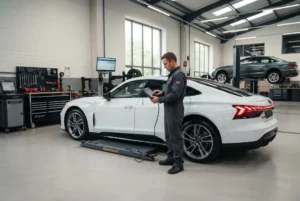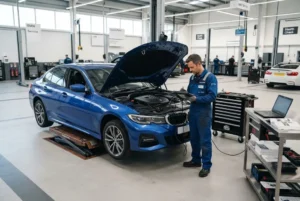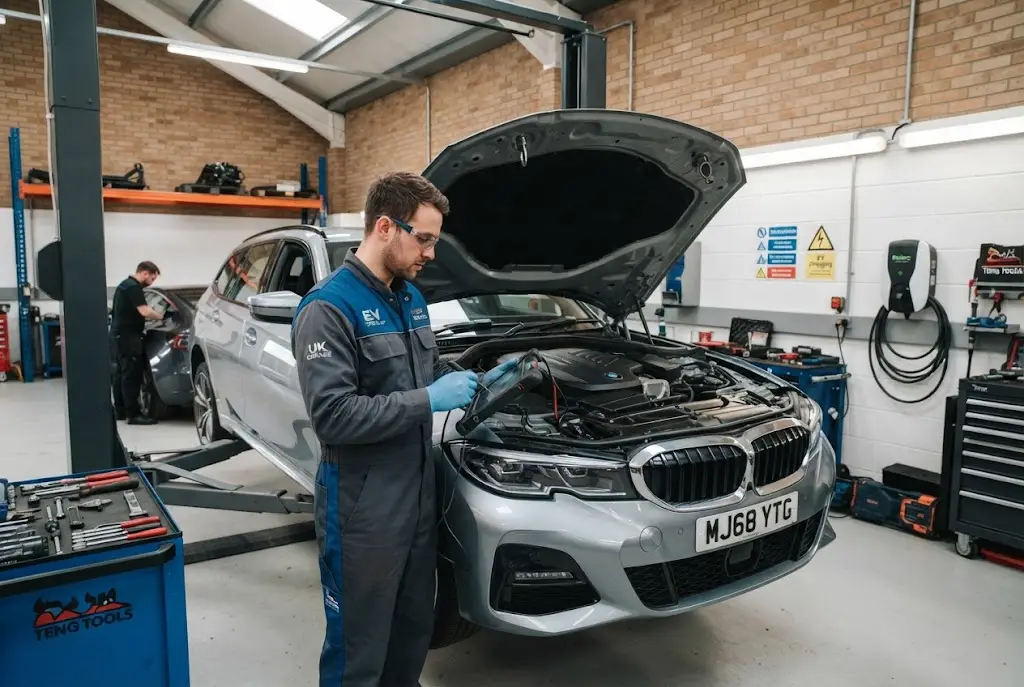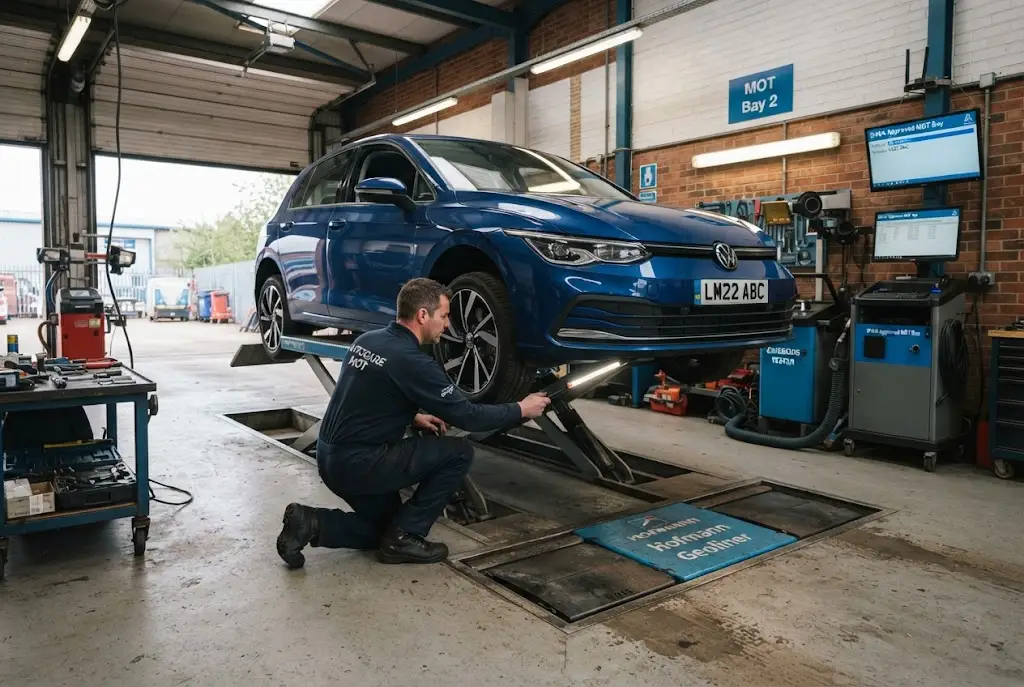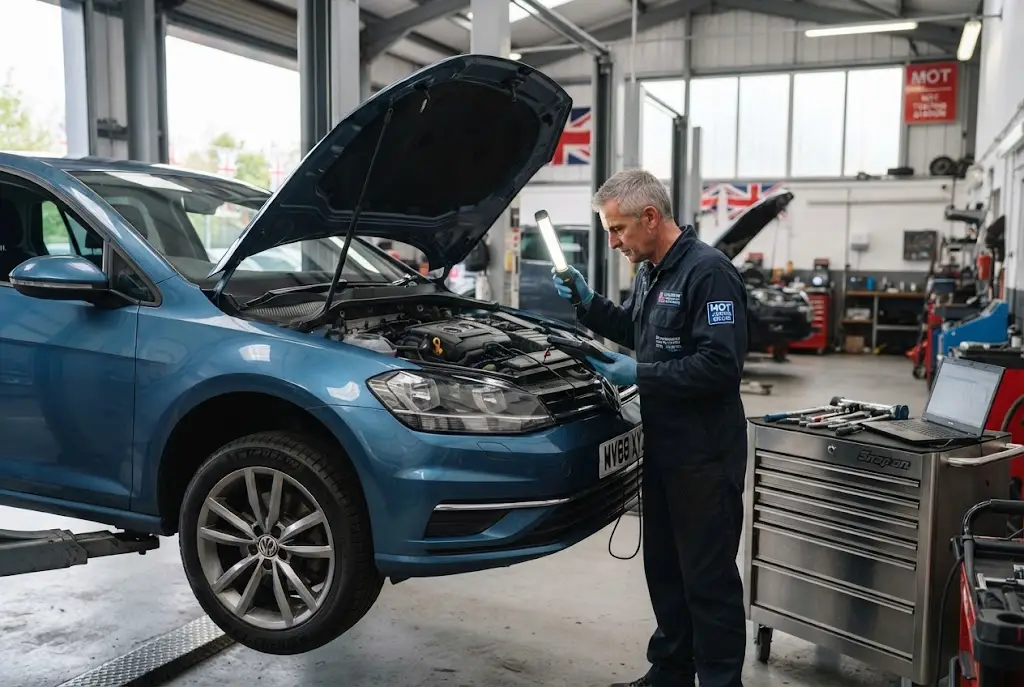
In 2026, vehicle inspection continues to develop alongside changes in testing procedures, vehicle technology and digital record keeping. DVSA guidance also makes an important distinction between inspections and servicing: an inspection focuses on safety-critical and roadworthiness-related items, while a service generally covers routine maintenance according to vehicle use and manufacturer recommendations.
What Are Auto Inspection Services?
Auto inspection services are professional checks designed to assess a vehicle’s condition, safety or roadworthiness. The exact scope depends on the purpose of the inspection.
A driver might arrange an inspection because a vehicle has developed an unusual symptom, before buying a used car, after an accident, before a long journey or as part of a commercial fleet’s regular safety programme.
Unlike a single standard inspection covering every possible situation, the appropriate process depends on the vehicle and reason for the assessment. A consumer considering a used car, for example, may want an independent mechanical inspection, while a commercial operator may have formal safety inspection procedures that need to be documented.
Auto Inspection Services and the MOT
An MOT is one of the UK’s most familiar forms of vehicle testing, but it should not be treated as a complete mechanical health check.
The official government guidance states that drivers are responsible for making sure their vehicles remain roadworthy and warns that a vehicle can be unsafe even when it has a current MOT certificate. The MOT therefore provides an important assessment at the time of testing, but motorists still have responsibility for vehicle condition between tests.
This distinction matters when planning maintenance. A vehicle can pass an MOT and still require routine servicing or develop a mechanical problem later. Drivers should therefore view the MOT, servicing and other inspections as separate but complementary parts of vehicle care.
For more information about recent testing developments, our guide to MOT and service rule changes covers recent DVSA updates and changes affecting vehicle testing in Great Britain.
Why Vehicle Inspections Matter for Roadworthiness
Roadworthiness is about whether a vehicle is safe and suitable to use on the road. Safety-critical defects involving brakes, tyres, steering, lights or other components can have serious consequences if they are ignored.
GOV.UK recommends that drivers carry out basic checks before driving, including checking the windscreen, windows and mirrors, lights and brakes. The vehicle handbook also provides information about checking items such as engine oil, coolant, brake fluid, battery, washer fluid and tyres.
These simple checks do not replace professional inspection, but they form part of responsible vehicle ownership. A professional inspection can provide a more detailed assessment when a driver has concerns that cannot be resolved through ordinary visual checks.
Types of Vehicle Inspection Available in the UK
Pre-Purchase Vehicle Inspections
A pre-purchase inspection can be useful when buying a used vehicle. The aim is to identify visible or mechanical issues that may not be obvious from a test drive or sales description.
An independent inspection may examine areas such as tyres, brakes, suspension, bodywork, fluid leaks and other components. Depending on the provider, diagnostic equipment may also be used to identify stored fault information.
Buyers should confirm exactly what the inspection includes before booking because inspection packages vary between providers.
Safety Inspections
Safety inspections are particularly important for commercial vehicles. GOV.UK guidance for commercial goods and passenger-carrying vehicles explains that regular safety inspections form part of a broader system for maintaining roadworthiness.
These inspections focus on safety-critical items and other areas that can affect roadworthiness and the environment. They are different from a routine service and need to be carried out by people with appropriate competence.
Diagnostic Inspections
Diagnostic inspections use electronic equipment and professional assessment to investigate warning lights, fault codes or unusual vehicle behaviour.
Modern vehicles rely heavily on electronic control systems, meaning diagnostics can be an important part of troubleshooting. However, a diagnostic code does not necessarily provide the complete answer on its own. A qualified technician may need to combine diagnostic information with physical inspection and testing.
Post-Accident Inspections
A vehicle involved in a collision may need additional assessment even when the visible damage appears limited. Structural, suspension, steering, braking or electronic systems can require professional inspection depending on what happened.
The appropriate inspection will depend on the severity and location of the damage. Insurance companies, repairers and vehicle owners may each have different requirements depending on the circumstances.
What Do Safety Inspections Check?
The exact inspection checklist varies according to vehicle type and purpose. For commercial vehicles, official roadworthiness guidance identifies safety-critical components and other items that can affect the vehicle’s safe operation.
Common areas considered during vehicle safety checks can include:
- Braking systems and components
- Tyres and wheels
- Steering and suspension
- Lights and electrical equipment
- Bodywork and structural condition
- Mirrors and visibility
- Vehicle identification and registration details
- Fluid leaks and other visible defects
- Safety equipment where applicable
The actual scope should always be confirmed with the inspection provider or relevant official guidance because different vehicle categories have different requirements.
Inspection Standards and Professional Competence
Reliable inspection depends not only on the checklist but also on the competence of the person carrying it out. Commercial roadworthiness guidance states that safety inspectors should be competent to assess the significance of defects.
For specialist inspections, the technician may also need appropriate diagnostic equipment, manufacturer-specific knowledge or experience with particular vehicle technologies.
This is increasingly relevant as the UK vehicle fleet includes more hybrids, electric vehicles and advanced driver-assistance systems. Consumers should therefore ask whether the inspection provider has suitable equipment and experience for the specific vehicle being assessed.
Vehicle Inspection Updates in 2026
Vehicle testing and inspection procedures continue to receive official updates. The DVSA’s 2026 MOT inspection manual amendments, for example, include changes relating to zero-emission goods vehicles between 3,501kg and 4,250kg. From 1 June 2026, these vehicles are classed as Class 7 vehicles for MOT purposes.
The DVSA has also introduced a phased national rollout of photographs at MOT tests. From 3 August 2026, participating garages can take and upload a photograph of a vehicle during the test using a compatible mobile device. The initial rollout covered around 2,500 garages across Great Britain.
These developments are part of the wider evolution of vehicle testing and administration. They do not mean every type of independent inspection has the same requirements, so consumers should always check the scope of the particular service they are booking.
Inspection Reminders for Everyday Drivers
Drivers should not wait for an MOT appointment to think about vehicle safety. Basic checks can be incorporated into normal driving routines, particularly before long journeys.
Check that lights work, tyres appear correctly inflated and free from obvious damage, the windscreen provides clear visibility and the brakes operate normally. Warning lights or unusual noises should also be investigated rather than ignored.
For tyres on cars, light vans and light trailers, GOV.UK states that the minimum legal tread depth is 1.6mm across the middle three-quarters of the tread and around its entire circumference. Drivers should also check for cuts, defects and other signs of damage.
These checks are simple but can help identify issues that warrant professional attention before they become more serious.
Commercial Vehicle Inspection Requirements
Businesses operating commercial vehicles have additional roadworthiness responsibilities. GOV.UK guidance says operators must keep vehicles safe and in good condition and maintain records of safety inspections and maintenance.
Commercial drivers are expected to conduct walkaround checks, while operators must have systems for reporting defects and ensuring that vehicles that are not roadworthy are removed from service.
Safety inspection records must be maintained for at least 15 months for goods vehicle operators. Records should provide information about the vehicle, inspection items, the person carrying out the inspection, results and any corrective work.
For fleets, inspection management is therefore more than an occasional garage visit. It forms part of an ongoing roadworthiness system that includes driver checks, scheduled inspections, defect reporting and maintenance.
Digital Inspection Records and Diagnostics
Modern inspection programmes increasingly use electronic records. Official commercial-vehicle guidance allows inspection information to be collected and stored electronically, provided the system meets the relevant requirements.
Digital records can make it easier to track inspection dates, defects and repairs. They can also provide an audit trail showing what was identified and what action followed.
For businesses operating multiple vehicles, organised digital records can help reduce the risk of missed inspection dates. They may also make it easier for fleet managers to identify recurring defects or maintenance patterns.
Auto Inspection Services for Used-Car Buyers
Used-car buyers face a different set of inspection considerations. A vehicle’s MOT history can provide useful information about previous test results and recorded advisories, but it does not replace a physical inspection of the vehicle today.
An independent inspection can help a buyer investigate the current condition of the vehicle before committing to a purchase. The inspection should be matched to the buyer’s needs and the vehicle’s age, mileage and type.
Buyers should also ask whether the inspection includes a road test, diagnostic scan, visual examination, mechanical assessment or written report. Not every package includes all of these elements.
A clear report can then be used alongside the vehicle’s MOT history, service records and other available documentation when assessing the purchase.
When Should You Book an Inspection?
There is no single inspection schedule that applies to every private vehicle. The appropriate timing depends on why the inspection is required.
Consider professional inspection when:
- You are buying an unfamiliar used vehicle.
- A warning light appears on the dashboard.
- The vehicle develops unusual noises or vibrations.
- Braking, steering or handling changes noticeably.
- The vehicle has suffered accident damage.
- You are preparing a commercial vehicle for regular operation.
- A fleet vehicle requires a scheduled safety inspection.
- You need specialist assessment of a hybrid or electric vehicle.
Some issues require immediate attention rather than waiting for a convenient inspection appointment. If a vehicle appears unsafe to drive, it should not simply be used until a future check can be arranged.
Inspection Services and Electric Vehicles
Electric and hybrid vehicles are adding new considerations to the inspection and servicing market. High-voltage systems, battery packs, charging components and electronic systems require suitable technical knowledge.
Not every general workshop will offer the same level of EV or hybrid expertise. Vehicle owners should therefore check whether an inspection provider is equipped and trained to work with their specific vehicle technology.
Our wider coverage of hybrid services and EV servicing explores how electrification is changing automotive maintenance, while future automotive coverage will continue examining developments affecting UK vehicle owners.
How Inspections Can Support Safer Driving
A professional inspection cannot eliminate every possible mechanical risk, but it can help identify defects and provide information about a vehicle’s condition.
Regular attention to tyres, brakes, steering, lights and other safety-critical systems is particularly important because these components directly affect a vehicle’s ability to operate safely.
Government guidance makes clear that the responsibility for keeping a vehicle roadworthy remains with the driver or operator. An inspection or MOT does not transfer that responsibility to the garage or testing centre.
Final Thoughts on Auto Inspection Services
Auto inspection services cover a wide range of vehicle checks, from independent used-car inspections and diagnostic assessments to formal commercial safety inspections. The right inspection depends on the vehicle, the reason for the check and the level of information required.
For ordinary motorists, the key lesson is that an MOT, service and independent inspection serve different purposes. An MOT assesses specific legal requirements at the time of testing, servicing supports routine maintenance, and additional inspections can investigate vehicle condition or particular concerns in greater depth.
As testing procedures and vehicle technology continue to develop in 2026, drivers and fleet operators should use current official guidance, maintain appropriate records and choose inspection providers with the relevant skills and equipment. Staying proactive about roadworthiness can help identify potential problems before they become more disruptive or costly.
For the latest developments affecting UK motorists, continue following Daily Flash for coverage of vehicle inspections, MOT changes, servicing costs, hybrid maintenance and wider automotive news.
Authoritative source: For official roadworthiness guidance, see the GOV.UK vehicle safety guidance.