Luxury beauty has become an important part of the modern UK beauty market, combining premium products, sophisticated formulations, distinctive branding and high-end experiences. From luxury skincare and makeup to fragrance and specialist treatments, consumers have more ways to explore premium beauty than ever before. Yet luxury is not simply about a higher price. It can also involve product design, ingredients, craftsmanship, service, exclusivity and the experience surrounding a purchase.
Understanding luxury beauty therefore requires looking beyond individual products. The category sits at the intersection of cosmetics, lifestyle, fashion, personal identity and consumer psychology. As British beauty habits continue to evolve, premium products are increasingly competing not only on performance but also on the overall experience they provide.
What Is Luxury Beauty?
Luxury beauty refers to premium cosmetics, skincare, fragrance and beauty experiences positioned around elevated quality, design, exclusivity or service. The category can include established luxury houses, specialist skincare brands, premium cosmetics companies and high-end salons or treatment providers.
There is no universal definition of luxury. For one consumer, it may mean a highly researched skincare formulation. For another, it may be a beautifully presented fragrance, an exclusive makeup collection or a personalised treatment.
This flexibility is part of what makes the luxury beauty market distinctive. Consumers can value different aspects of the experience depending on their priorities and expectations.
Why Luxury Beauty Appeals to UK Consumers
The appeal of luxury beauty can come from several factors working together. Product performance is important, but consumers may also consider packaging, sensory experience, brand heritage, customer service and the emotional satisfaction associated with a purchase.
A premium product can feel different from an everyday purchase because the buying process itself may be part of the experience. Elegant presentation, knowledgeable staff and personalised recommendations can create an additional sense of value.
However, consumers do not automatically assume that an expensive product is better. Increasing awareness of ingredients and beauty science means shoppers can research products more carefully before making a premium purchase.
This connects luxury beauty with the broader field of beauty research, where consumers can explore evidence, ingredients, cosmetic science and the research behind modern beauty products.
Luxury Skincare and the Search for Quality
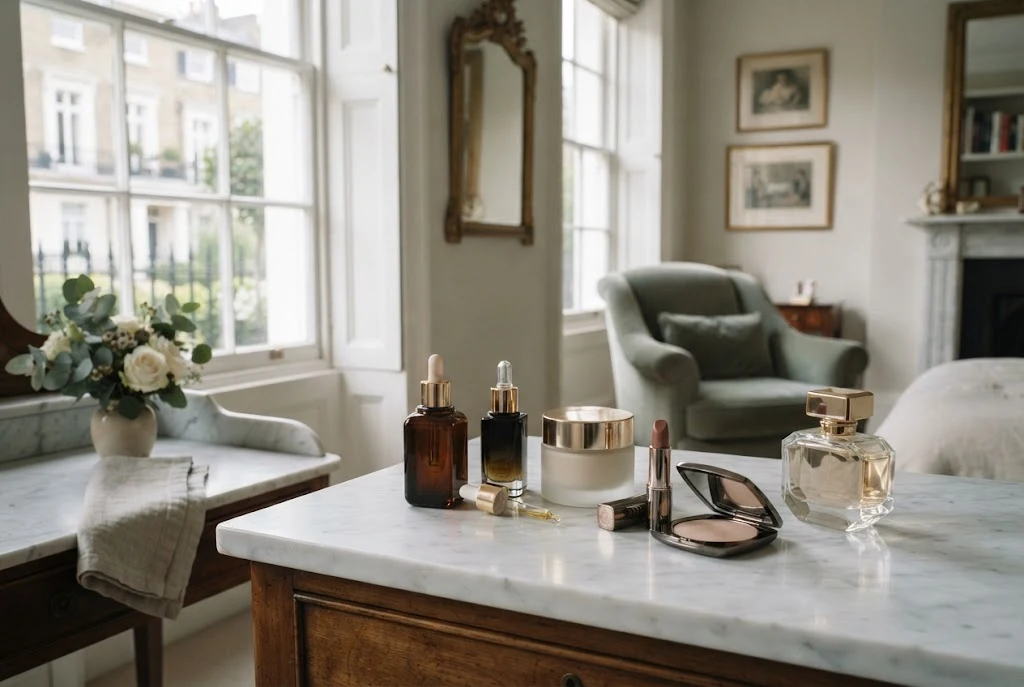
Luxury skincare is one of the most visible areas of premium beauty. High-end skincare collections often focus on sophisticated textures, distinctive packaging, carefully developed formulations and a strong brand story.
Consumers may be attracted to specialised serums, moisturisers, cleansers and treatment products that promise a more elevated routine. However, luxury skincare should still be evaluated according to realistic expectations.
Price alone cannot establish effectiveness. A premium product may offer an enjoyable texture, refined packaging or an exceptional sensory experience, but consumers should distinguish these benefits from measurable performance claims.
Research and ingredient knowledge can therefore complement the luxury experience. Understanding what a formulation is designed to do allows shoppers to make more informed decisions without removing the enjoyment associated with premium products.
Does Expensive Skincare Mean Better Skincare?
Not necessarily. Price can reflect many factors beyond formulation performance, including packaging, distribution, marketing, research and development, brand positioning and customer experience.
Some consumers may decide that these additional elements justify a premium price, while others may prefer to spend less on products that meet their practical needs.
The most useful approach is to consider what you value. If advanced formulation, packaging and sensory experience are important, a luxury product may offer meaningful value. If basic functionality is the priority, a less expensive alternative may be more suitable.
Luxury Makeup and Personal Expression
Luxury makeup combines cosmetic function with visual design and brand identity. Premium foundations, lip products, eyeshadows and complexion products may appeal to consumers who appreciate refined packaging, distinctive shades or the experience of using a prestige cosmetic.
Makeup can also have a strong emotional and cultural dimension. A luxury item may become part of a personal collection, a special occasion routine or a form of self-expression.
This means the value of luxury makeup cannot always be measured through technical performance alone. A consumer may appreciate a product because it is enjoyable to use, visually beautiful or associated with a particular aesthetic.
Luxury Fragrance and the Importance of Scent
Luxury fragrance occupies a particularly distinctive position because scent is closely connected with memory, identity and emotion. Premium fragrances can offer complex compositions, distinctive packaging and carefully developed brand stories.
For many consumers, fragrance is less about solving a practical beauty problem and more about expressing personality. A particular scent can become associated with an occasion, season, mood or personal identity.
Luxury fragrance brands can therefore build value around craftsmanship and storytelling as much as the fragrance itself. The bottle, presentation and retail experience may all contribute to the overall perception of the product.
Luxury Beauty Brands and Brand Heritage
Brand heritage is another important feature of luxury beauty. Established brands can draw on years or decades of design, fashion, fragrance or cosmetics history when developing their identity.
Heritage can create a sense of authenticity and continuity. Consumers may feel that they are purchasing more than an individual cosmetic because the product represents a broader creative tradition.
At the same time, newer luxury beauty brands can compete by offering different ideas of premium beauty. Some focus on innovation, specialist ingredients, limited production or distinctive aesthetics rather than traditional heritage.
Premium Beauty and the Role of Packaging
Packaging plays a particularly important role in premium beauty because it can shape the first impression of a product. Materials, weight, finish, colour, typography and presentation can all influence how consumers perceive quality.
For luxury products, packaging may also become part of the ownership experience. A beautifully designed container can encourage consumers to display or retain it long after the product has been purchased.
However, packaging also raises sustainability questions. The environmental impact of materials and unnecessary packaging is increasingly relevant to consumers, even within the luxury segment.
This creates an interesting challenge for premium brands: maintaining an elevated visual identity while responding to growing expectations around responsible consumption. The wider issue is explored in our guide to sustainable beauty.
Luxury Beauty UK and Changing Consumer Expectations
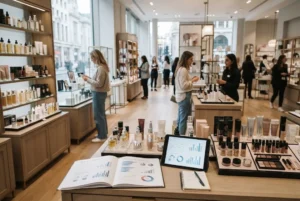
Luxury beauty UK consumers encounter an increasingly diverse market. High-end department stores, specialist retailers, independent boutiques and online platforms provide different ways to discover premium products.
Digital shopping has also changed the luxury beauty experience. Consumers can research ingredients, compare products, watch demonstrations and read reviews before visiting a physical store or completing an online purchase.
This means luxury brands must increasingly compete across the entire customer journey. Product quality remains important, but digital presentation, customer service, availability and post-purchase support can also influence perceptions.
The Growth of Luxury Beauty Experiences
Luxury beauty experiences go beyond products. Personalised consultations, specialist facials, premium salons, fragrance appointments and tailored skincare services can all form part of the high-end beauty landscape.
Experiences can create a stronger emotional connection because the consumer is not simply purchasing an object. They are receiving attention, expertise or a personalised service.
This is particularly relevant in an era when consumers can purchase almost any product online. A physical experience can offer something digital retail cannot easily replicate: personal interaction and sensory engagement.
Beauty Psychology and the Luxury Purchase
Beauty psychology helps explain why consumers may be willing to spend more on premium products. Purchasing decisions can involve identity, confidence, aspiration, pleasure and social meaning alongside practical considerations.
A luxury product may become a symbol of personal achievement or a small form of everyday indulgence. The emotional value can therefore be an important part of the purchase.
However, psychological appeal should not be confused with objective product performance. Consumers can enjoy a luxury experience while still evaluating whether a product provides value that makes sense for their own circumstances.
Luxury Beauty and British Beauty Culture
Luxury beauty also fits into the wider evolution of British beauty culture. British consumers have long encountered influences from fashion, fragrance, cosmetics and international beauty markets, while modern social media has made global trends even more accessible.
Premium beauty can therefore exist alongside minimalist routines, independent cosmetics and traditional grooming practices. There is no requirement for consumers to adopt an entirely luxury-focused routine.
For more context about the cultural influences shaping beauty preferences in Britain, see our guide to British beauty culture.
How Beauty Research Influences Luxury Products
Luxury beauty is increasingly connected with research and innovation. Consumers may expect premium brands to demonstrate expertise in formulation, ingredients and product development.
Research can contribute to new textures, delivery systems, formulations and testing approaches. However, consumers should still distinguish between scientific research and marketing claims.
The growing availability of beauty information means that premium brands are increasingly expected to communicate their products clearly. Claims supported by credible evidence can be more useful than vague suggestions of scientific sophistication.
How to Decide Whether a Luxury Beauty Product Is Worth It
Whether a luxury product is worth the price depends on what the consumer values. Before making a purchase, consider the following:
- Purpose: Identify exactly what the product is intended to provide.
- Formulation: Review the ingredients and product characteristics rather than relying only on branding.
- Experience: Consider whether packaging, texture, fragrance or presentation adds meaningful value for you.
- Frequency of use: A product used regularly may provide more personal value than something purchased for occasional use.
- Alternatives: Compare similar products before assuming a higher price represents better performance.
- Budget: A luxury purchase should fit comfortably within your wider spending priorities.
This approach allows consumers to enjoy premium beauty without feeling pressured to purchase something simply because it has a luxury label.
Luxury Beauty and Sustainability
The relationship between luxury and sustainability is becoming increasingly important. Historically, premium packaging and elaborate presentation have been closely connected with the perception of luxury. Today, however, consumers may also expect responsible sourcing, reduced waste and thoughtful packaging.
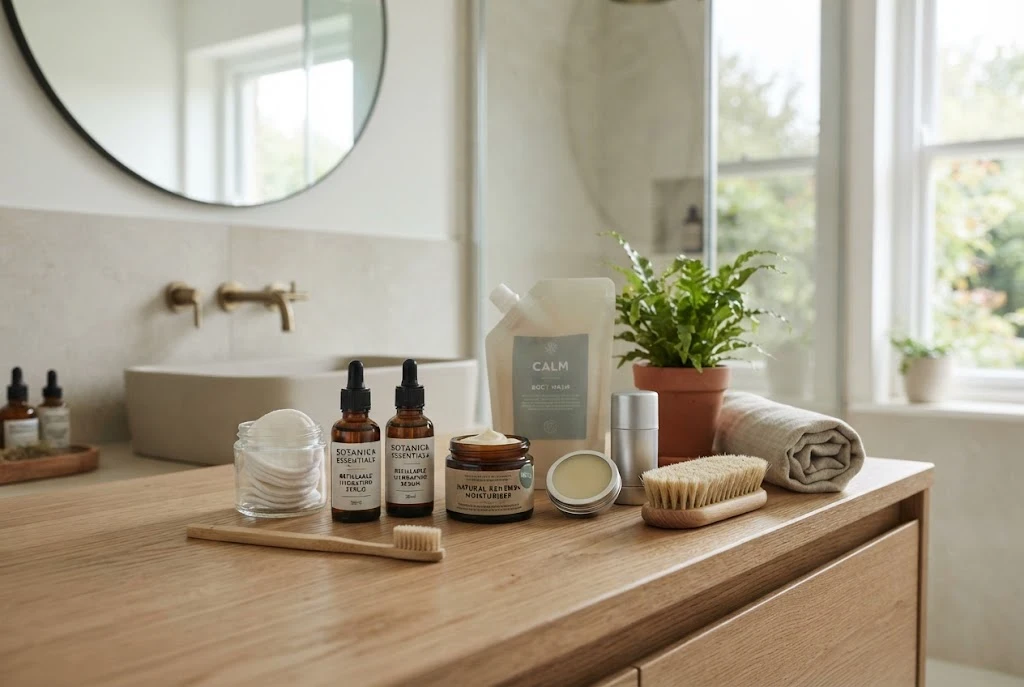
This creates opportunities for innovation. Refillable containers, durable packaging and longer-lasting product formats can potentially combine premium presentation with more responsible consumption.
The challenge is to ensure that sustainability is meaningful rather than simply another marketing theme. Clear information and evidence can help consumers assess environmental claims more effectively.
The Future of Luxury Beauty
The luxury beauty sector is likely to continue evolving as consumer expectations change. Personalisation, digital retail, advanced formulation and sustainability could all influence the next generation of premium products.
Technology may allow brands to offer more tailored recommendations, while research could support increasingly sophisticated formulations. At the same time, consumers may become more interested in transparency and evidence.
The luxury market may therefore shift from simply communicating exclusivity towards delivering a broader combination of quality, experience, innovation and responsibility.
Final Thoughts on Luxury Beauty
Luxury beauty represents more than expensive cosmetics. It encompasses product formulation, craftsmanship, design, brand heritage, sensory experience, personal identity and premium service.
For UK consumers, the growing range of luxury skincare, makeup, fragrance and beauty experiences provides more choice than ever. Yet premium does not automatically mean better for every individual.
The most useful approach is to understand what creates value for you. Research can help evaluate product claims, while personal preferences determine whether the experience, presentation and performance justify the price.
As the beauty industry continues to develop, luxury brands will increasingly need to balance exclusivity with evidence, innovation and sustainability. That combination could define the next chapter of premium beauty in Britain.