Understanding auto care services can help UK motorists respond to maintenance warnings, vehicle recalls, safety concerns and seasonal driving risks before they become more serious problems. Vehicle owners increasingly need to navigate everything from routine servicing and tyre checks to electronic diagnostics, product recalls and changing maintenance requirements.
Consumer alerts are particularly useful because vehicle problems do not always appear at a convenient time. A warning light, worn component or recall notice can affect a driver’s safety and mobility. Staying informed allows motorists to identify issues earlier, ask better questions when dealing with a garage and take appropriate action when professional attention is needed.
Why Auto Care Services Matter to Vehicle Owners
Modern vehicles require regular attention even when they appear to be operating normally. Routine servicing, fluid checks, tyre inspections and other maintenance tasks form an important part of responsible vehicle ownership.
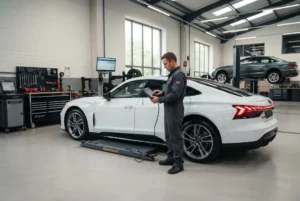
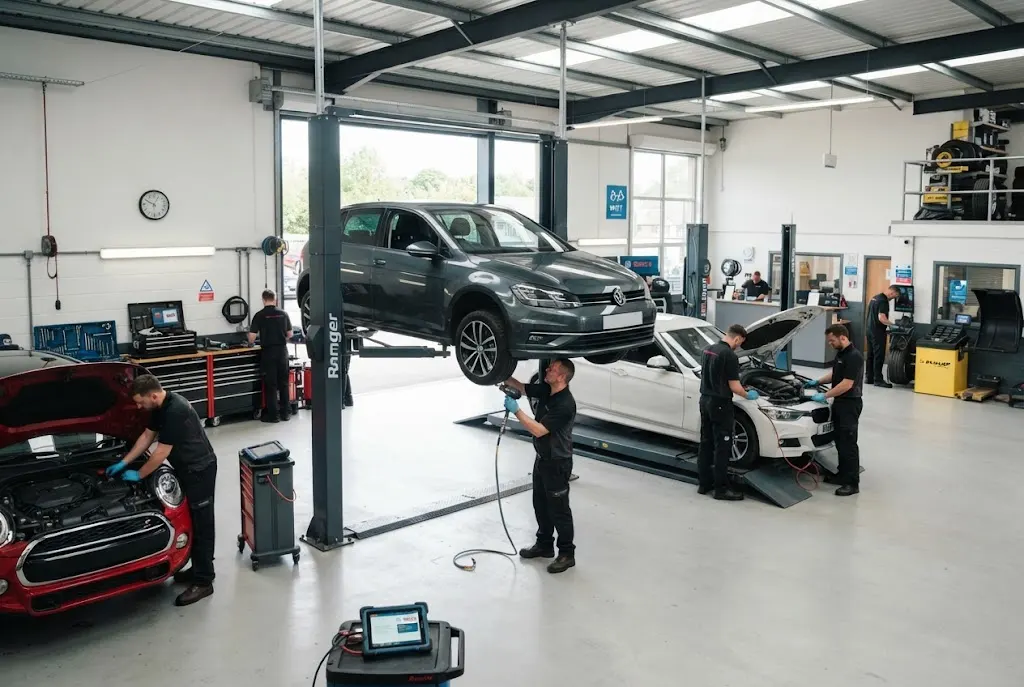
Auto care services cover a broad range of work. Depending on the provider, they can include servicing, diagnostics, mechanical repairs, tyre services, battery checks and other forms of vehicle maintenance.
The right service depends on the vehicle and the problem involved. A routine inspection is different from diagnosing a warning light, while a safety-critical brake or steering issue may require immediate professional attention.
Maintenance Warnings Drivers Should Not Ignore
One of the most important consumer messages for motorists is to pay attention to changes in vehicle behaviour. Warning lights, unusual noises, vibrations, fluid leaks and changes in braking or steering should not automatically be dismissed.
Some problems may develop gradually. A vehicle can continue to drive while a component is becoming worn or a system is beginning to malfunction. Delaying an appropriate inspection can sometimes allow a relatively manageable problem to become more complicated.
Drivers should follow the vehicle manufacturer’s instructions when a warning appears. If the warning indicates a potentially serious safety problem, continuing to drive may not be appropriate.
Vehicle Recalls and Product Safety Alerts
Vehicle recalls are another area where consumers should remain alert. A recall may be issued when a manufacturer identifies a safety-related defect affecting particular vehicles, components or accessories.
The official GOV.UK vehicle recall service allows motorists to check whether a vehicle, part or accessory has been subject to a safety recall. Government guidance states that recall repairs are generally carried out by the manufacturer without charging the owner for the repair or parts. Drivers can check vehicle recall information through GOV.UK.
When a recall applies to a vehicle, owners should follow the manufacturer’s instructions and arrange the required action rather than assuming that the issue can wait until the next routine service.
Consumer Protection When Booking Vehicle Work
Consumers should understand what work a garage has agreed to perform before authorising repairs. This is particularly important when an inspection could reveal additional faults.
Before approving substantial work, ask the provider to explain what needs repairing, why the work is necessary and what the expected cost will be. If further work is discovered, clarify whether the garage will contact you before carrying it out.
Keeping invoices, estimates and service records can also help maintain a clear history of the vehicle. This information can be useful when returning to the same workshop or moving to another provider.
Trending Car Care and Preventative Maintenance
Preventative maintenance continues to be an important part of vehicle ownership. Instead of waiting for a breakdown, drivers can monitor areas such as tyre condition, fluid levels, lights, wipers and dashboard warnings.
Regular checks are particularly useful before long journeys or periods of difficult weather. Drivers can also follow the vehicle manufacturer’s recommended servicing schedule rather than relying solely on mileage or the absence of obvious faults.
For broader maintenance information, our coverage of vehicle maintenance and seasonal trends explores how changing British weather can influence vehicle preparation throughout the year.
Seasonal Guidance for UK Drivers
British weather can change rapidly, making seasonal preparation a practical part of car ownership. Winter can bring freezing temperatures, ice, heavy rain and reduced daylight, while summer may involve higher temperatures and longer journeys.
Before winter, motorists can check tyres, lights, windscreen wipers, washer fluid and battery performance. Before major summer journeys, checking coolant, oil, tyres, lights and air conditioning can help identify problems before departure.
Drivers should also pay attention to official weather and travel warnings. Severe conditions may make some journeys unsafe regardless of how well a vehicle has been maintained.
Tyre and Brake Safety
Tyres and brakes deserve particular attention because they directly affect a vehicle’s ability to stop and maintain control. Drivers should regularly inspect tyres for visible damage and excessive wear and maintain the correct pressures specified by the vehicle manufacturer.
Brake problems can include unusual noises, changes in pedal feel, vibration or longer stopping distances. These symptoms should be investigated rather than ignored.
When a safety-critical system needs attention, motorists should use an appropriately equipped professional service provider. Attempting an unfamiliar repair without the necessary knowledge or equipment can create additional risks.
Choosing an Auto Care Provider
There is no single auto care provider that is appropriate for every vehicle problem. The right choice depends on the work required, the vehicle involved and the capabilities of the provider.
Drivers can start by confirming that a garage offers the specific service required. For routine work, convenience and appointment availability may be important. For complex electronic or mechanical problems, relevant diagnostic equipment and technical experience can become more significant.
Motorists following auto service garage news across Britain can also keep track of new workshops, service centre developments and changes affecting local automotive businesses.
Understanding Repair Delays
Repair delays can be frustrating, but several factors can affect how long a vehicle remains in a workshop. A difficult diagnosis, unavailable parts, additional faults or specialist repair procedures can all extend the expected completion time.
Consumers should ask the workshop what is causing the delay and whether the estimated completion date has changed. If parts are involved, ask whether they have been ordered and whether the expected arrival date is known.
Clear communication can make it easier to understand whether a delay is related to the workshop itself or to factors elsewhere in the repair process.
Mobile Auto Care and Convenience
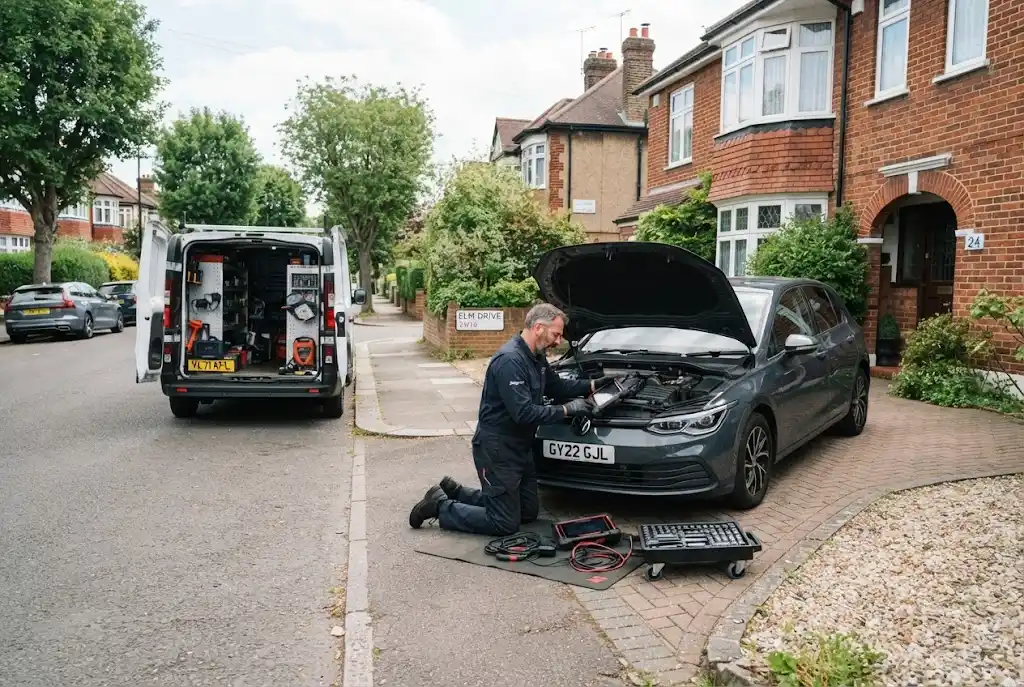
Mobile automotive services are another developing part of the vehicle care market. Depending on the provider, a mobile mechanic may be able to perform certain inspections, diagnostics, maintenance tasks or repairs at a customer’s location.
This can be useful when a vehicle is parked at home or work, particularly when the issue does not require the facilities of a full workshop. However, more complicated repairs may still require the vehicle to be taken to a properly equipped garage.
Drivers can follow developments in mobile auto service to understand how mobile mechanics and on-demand automotive support are evolving.
Consumer Alerts Before Buying Car Care Products
Vehicle owners should also be cautious when purchasing replacement components, accessories or maintenance products. Compatibility matters, and a product that looks suitable may not necessarily be appropriate for a particular vehicle.
When buying parts or vehicle-related products, motorists should check the manufacturer’s specifications and retain purchase information. If a product becomes subject to a safety notice or recall, having accurate records can make it easier to respond.
For specialist components or safety-related products, professional advice can be valuable when there is uncertainty about compatibility or installation.
When to Seek Professional Help
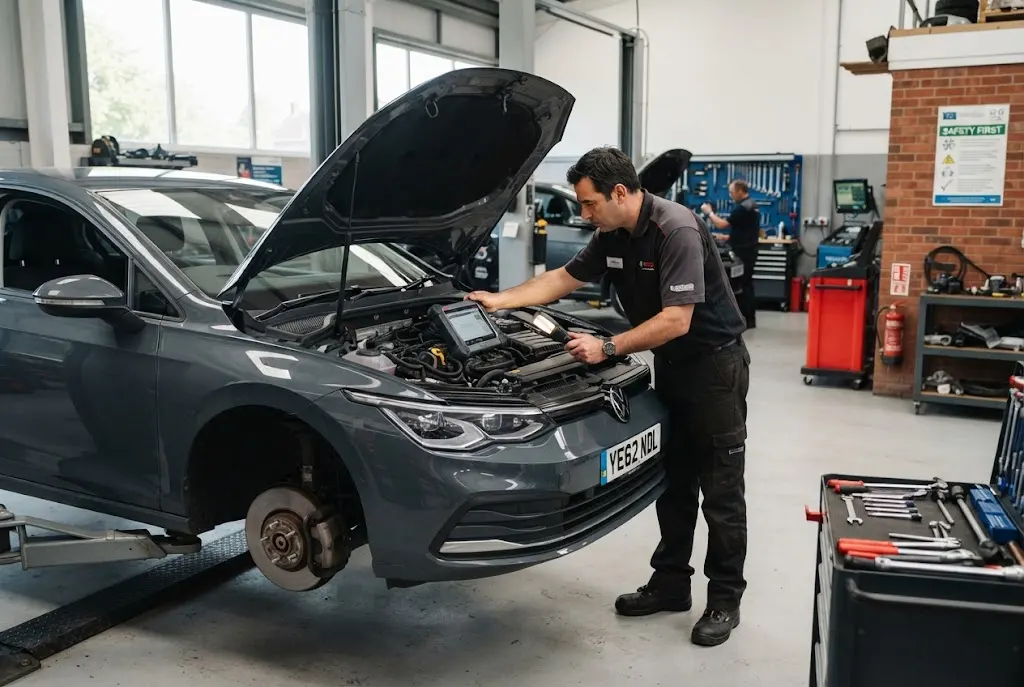
Some maintenance tasks are straightforward, but safety-critical or technically complex problems require appropriate expertise. Drivers should consider professional assistance when they encounter persistent warning lights, serious brake or steering issues, significant fluid leaks, electrical faults or unexplained changes in vehicle behaviour.
Professional diagnostics can also be useful when the cause of a problem is unclear. Modern vehicles may contain multiple interconnected electronic systems, meaning that replacing a component without identifying the underlying fault may not solve the problem.
A Simple Consumer Checklist
Drivers can use a simple routine to stay on top of vehicle care:
- Follow the manufacturer’s recommended servicing schedule.
- Check tyre condition and pressure regularly.
- Pay attention to dashboard warning lights.
- Inspect lights, wipers and windscreen visibility.
- Check relevant fluid levels according to manufacturer guidance.
- Respond promptly to unusual noises, vibrations or changes in vehicle behaviour.
- Check for applicable vehicle recalls.
- Keep service records, invoices and repair information.
- Ask questions before approving additional repair work.
- Use an appropriately equipped professional for safety-critical repairs.
Staying Ahead of Auto Care Issues
Good vehicle care is a combination of regular maintenance, informed decision-making and timely responses to potential problems. Consumer alerts can help motorists recognise when a recall, safety warning or seasonal issue deserves attention.
At the same time, drivers should not rely on news alerts alone. Routine inspections, scheduled servicing and attention to changes in vehicle behaviour remain essential parts of responsible ownership.
As vehicle technology develops, consumers will also encounter new diagnostic systems, maintenance requirements and service options. Following reliable automotive updates can make these changes easier to understand.
For UK motorists, staying informed about auto care services, safety alerts, recalls and seasonal guidance can help make vehicle ownership more predictable. When a problem does arise, having accurate information and a clear maintenance history can also make conversations with automotive professionals more productive.