Regular vehicle maintenance becomes especially important when British weather changes throughout the year. Cold temperatures, heavy rain, strong winds, summer heat and rapidly changing road conditions can all influence how a vehicle should be prepared and maintained. Seasonal checks can also help drivers identify developing problems before they become more disruptive.
For UK motorists, seasonal maintenance is not simply about following a fixed checklist. The right approach depends on the vehicle, its age, condition, mileage and the conditions it is likely to encounter. Understanding common seasonal maintenance trends can help owners plan servicing, respond to weather warnings and keep important vehicle systems in good working order.
Why Vehicle Maintenance Changes With the Seasons
A vehicle operates in different conditions throughout the year. Winter can bring freezing temperatures, wet roads and reduced visibility, while summer may bring higher temperatures and longer journeys. Spring and autumn can introduce their own challenges, including heavy rainfall, fallen leaves and changing road conditions.
These conditions make vehicle maintenance an ongoing responsibility rather than a once-a-year task. Some checks are appropriate throughout the year, while others become particularly relevant before a seasonal change.
Drivers should also follow the maintenance schedule recommended for their particular vehicle. Seasonal checks complement routine servicing rather than replacing it.
Winter Servicing and Cold-Weather Preparation
Winter places additional demands on several parts of a vehicle. Shorter daylight hours can increase reliance on headlights, while wet, icy or muddy roads can make good tyre condition particularly important.
Before colder weather arrives, drivers can check tyre condition and pressure, lights, windscreen visibility, wipers and fluid levels. It is also worth checking whether the vehicle’s battery is performing normally, particularly if it is older or the vehicle has previously experienced starting problems.
Cooler temperatures can expose weaknesses that were less noticeable during warmer months. A vehicle that starts reliably in summer may struggle when temperatures fall if its battery or charging system is already deteriorating.
Drivers following auto repair services developments can also keep an eye on repair delays and workshop availability before winter maintenance demand increases.
Tyres Become a Key Seasonal Consideration
Tyres are one of the most important areas to monitor throughout the year. Drivers should regularly check tyre pressures and inspect the tyres for visible damage and signs of excessive wear.
Correct tyre pressure can vary according to the vehicle and load, so motorists should use the pressure information provided by the vehicle manufacturer rather than relying on a generic figure.
Seasonal changes can also encourage more frequent checks. Long winter journeys, heavy rain and holiday travel can all increase the importance of making sure tyres are in appropriate condition before setting off.
Summer Vehicle Care and Longer Journeys
Summer creates a different set of maintenance considerations. Higher temperatures, increased use of air conditioning and longer journeys can put additional demands on a vehicle.
Before a long summer trip, drivers can check engine oil, coolant levels, tyre pressures, lights and windscreen condition. It is also sensible to inspect the vehicle before departure rather than discovering a problem several miles from home.
Air conditioning can become particularly noticeable during hot weather. If the system is no longer cooling effectively or produces unusual smells or noises, professional inspection may be appropriate.
Seasonal Maintenance in Spring
Spring is a useful time to assess the effects of winter driving. Wet roads, grit, mud and poor weather can leave vehicles dirty and may highlight issues that were less obvious during colder months.
Drivers can inspect the exterior for damage, check tyres and lights, clean areas that have accumulated road grime and review any warning lights that appeared during winter.
Spring can also be a practical time to arrange routine servicing if the vehicle is approaching its scheduled maintenance interval. Addressing smaller issues early may help prevent them from developing into more expensive problems.
Autumn Vehicle Preparation
Autumn provides another natural maintenance checkpoint before winter arrives. Rain becomes more frequent in many parts of Britain, daylight decreases and leaves can create slippery conditions on some roads.
Drivers should check their windscreen wipers and washer fluid, inspect exterior lights and make sure the vehicle’s tyres remain in suitable condition. Visibility becomes particularly important as darker mornings and evenings become more common.
It is also worth paying attention to changes in vehicle behaviour. New vibrations, unusual noises, steering changes or warning lights should not simply be attributed to seasonal conditions.
Weather Warnings and Vehicle Preparation
Weather warnings can provide motorists with an opportunity to prepare before difficult driving conditions arrive. Strong winds, heavy rain, snow, ice and flooding can all create different risks.
When severe weather is forecast, drivers should consider whether a journey is necessary and follow relevant official travel and safety guidance. If travel is unavoidable, checking the vehicle beforehand can reduce the likelihood of preventable problems.
Preparation can include checking fuel or charge levels, tyre condition, lights, wipers and screen visibility. Drivers should also ensure they have appropriate equipment for the journey and understand that weather can change quickly.
Maintenance Reminders Should Follow the Vehicle
Seasonal trends are useful reminders, but they should not replace the vehicle manufacturer’s maintenance schedule. Different vehicles have different servicing intervals and requirements.
Drivers should keep track of scheduled servicing, fluid checks, tyre inspections and other recommended maintenance. Keeping service records can also make it easier for a garage to understand the vehicle’s history.
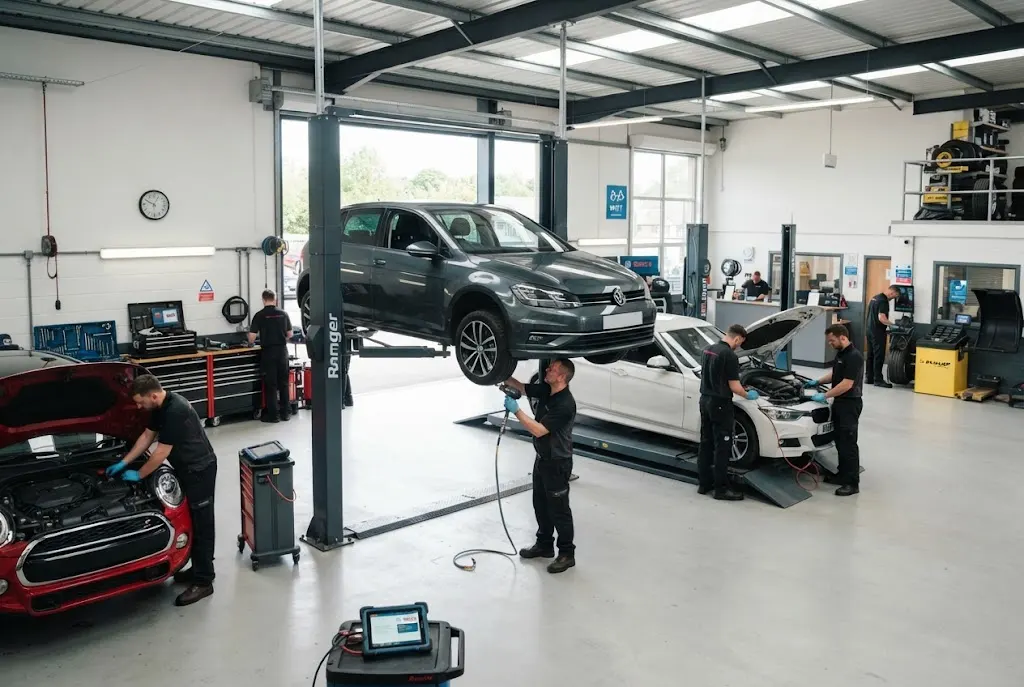
When choosing a workshop, motorists can consider whether it has the appropriate equipment and experience for the vehicle. Coverage of auto service garage developments can help drivers understand how workshops across Britain are adapting to changing vehicle technology and customer needs.
Trending Maintenance Tips for Modern Vehicles
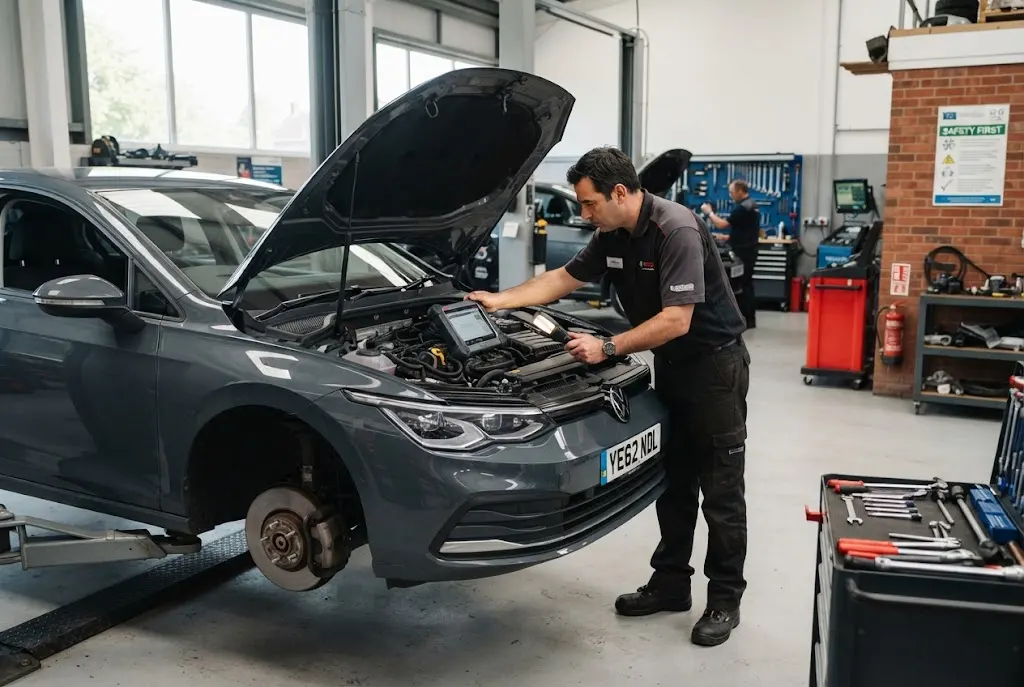
Modern vehicles can require more than traditional mechanical checks. Electronic systems, sensors, driver-assistance features and computer-controlled components have become increasingly important in vehicle operation.
This means drivers should not ignore dashboard warning lights simply because the vehicle appears to be driving normally. Some warnings may indicate an issue that requires professional diagnosis.
Regular inspection remains useful even when a vehicle does not appear to have an obvious fault. Preventative maintenance can help identify worn components and other developing issues before they cause a breakdown.
Vehicle Preparation Before Long Trips
Seasonal holidays often mean longer journeys, making pre-trip checks particularly valuable. Before travelling, drivers should check tyre pressures, lights, fluid levels and windscreen visibility.
It is also useful to consider the vehicle’s expected load. Carrying additional passengers or luggage can affect tyre pressure requirements and vehicle behaviour, so drivers should follow the manufacturer’s guidance.
For older vehicles or cars that have recently developed unusual symptoms, a professional inspection before a major journey may provide useful reassurance. A garage can identify issues that may not be obvious during a basic visual check.
When Seasonal Maintenance Becomes a Repair
Routine checks can sometimes reveal problems that require professional attention. A worn tyre, damaged wiper, weak battery or warning light may initially appear to be a minor issue, but delaying appropriate action can make the situation more complicated.
Drivers should avoid attempting repairs beyond their knowledge or equipment, particularly when safety-critical systems are involved. Brakes, steering, suspension and other essential components should be inspected and repaired appropriately.
For consumers comparing different forms of auto care services, the most suitable option will depend on the vehicle problem and the type of work required.
The Role of Mobile Services in Seasonal Maintenance
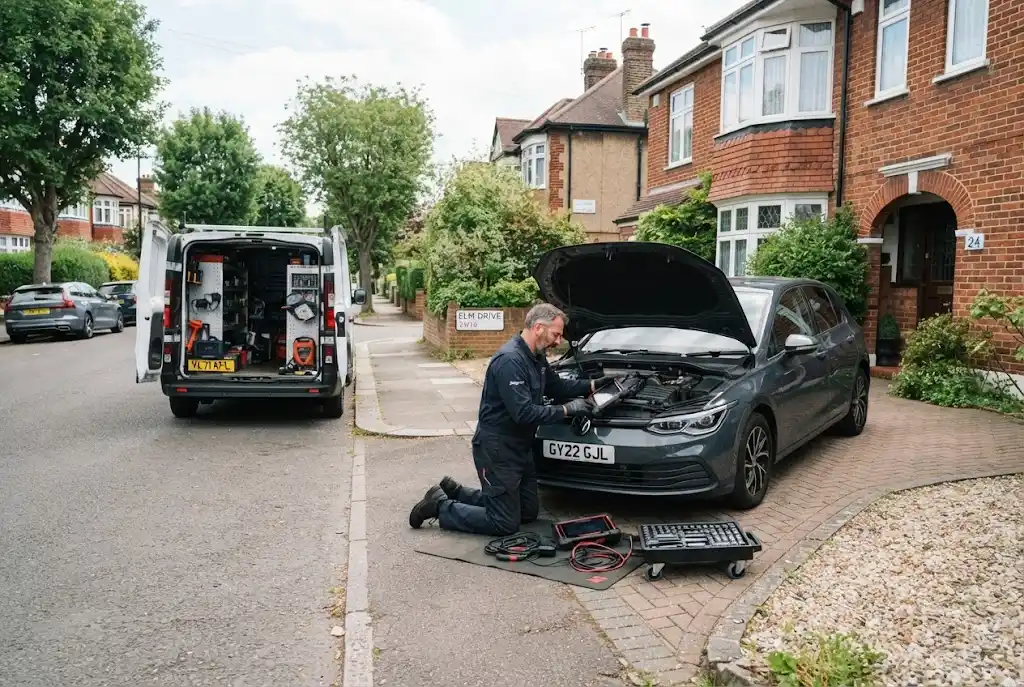
Mobile automotive services can also become useful when seasonal problems occur. Some mobile mechanics can perform suitable inspections, diagnostics or repairs at a customer’s location.
This can be convenient when a vehicle is difficult to move or when a minor issue can be addressed without visiting a traditional workshop. However, more complicated repairs may require specialist workshop equipment.
The growing interest in mobile auto service is therefore another trend worth watching as motorists look for more convenient ways to manage vehicle maintenance.
A Practical Seasonal Maintenance Routine
A simple maintenance routine can help drivers stay organised throughout the year. At the beginning of each season, consider checking tyres, lights, fluid levels, wipers and windscreen condition.
Next, review the vehicle’s servicing requirements and consider whether any manufacturer-recommended maintenance is due. Pay attention to warning lights, unusual noises and changes in driving behaviour rather than waiting for a noticeable breakdown.
Before long journeys, carry out an additional inspection and check the latest relevant travel and weather information. This is particularly useful when travelling during periods of extreme weather.
Keeping Your Vehicle Ready Throughout the Year
Effective vehicle maintenance is ultimately about consistency. Seasonal checks provide useful reminders, but vehicle owners should continue monitoring their cars between those checkpoints.
Winter servicing, summer preparation, spring inspections and autumn checks can each highlight different areas that deserve attention. Combined with scheduled servicing and prompt responses to warning signs, they form a practical approach to vehicle ownership.
For UK drivers, changing weather makes preparation especially valuable. By paying attention to seasonal conditions and maintaining the vehicle throughout the year, motorists can reduce avoidable disruption and identify potential problems earlier.
The automotive repair sector is also evolving, so future maintenance routines may increasingly involve advanced diagnostics, connected vehicle systems and specialist services. Staying informed about these changes can help drivers understand what their vehicles require as technology and ownership expectations continue to develop.