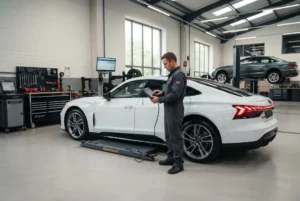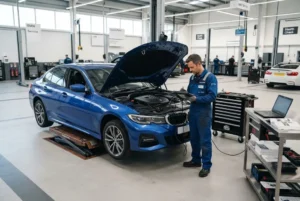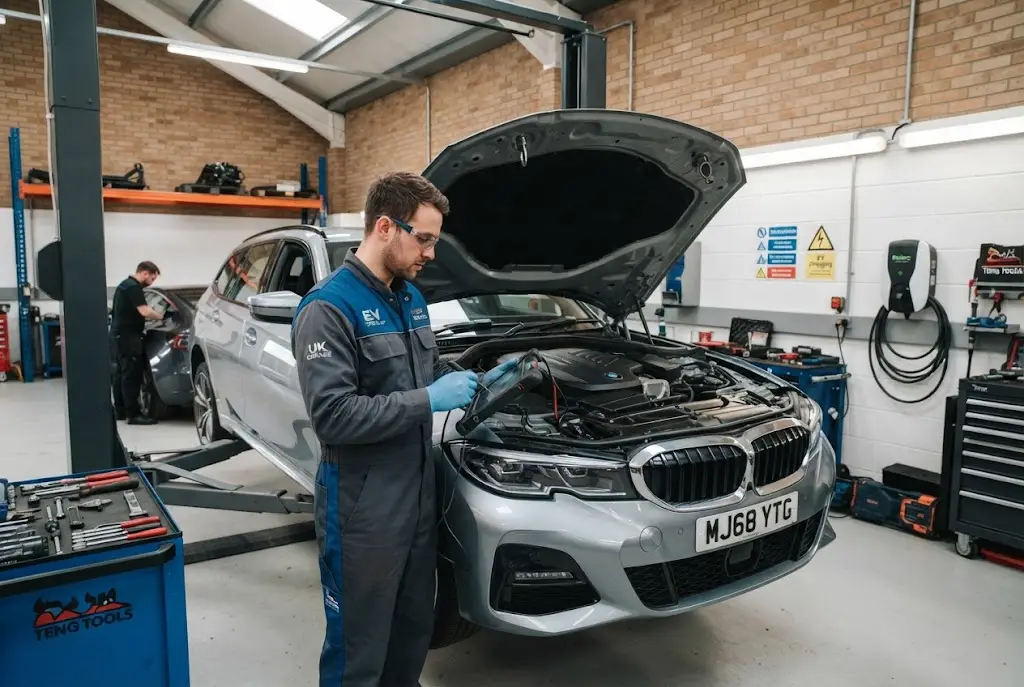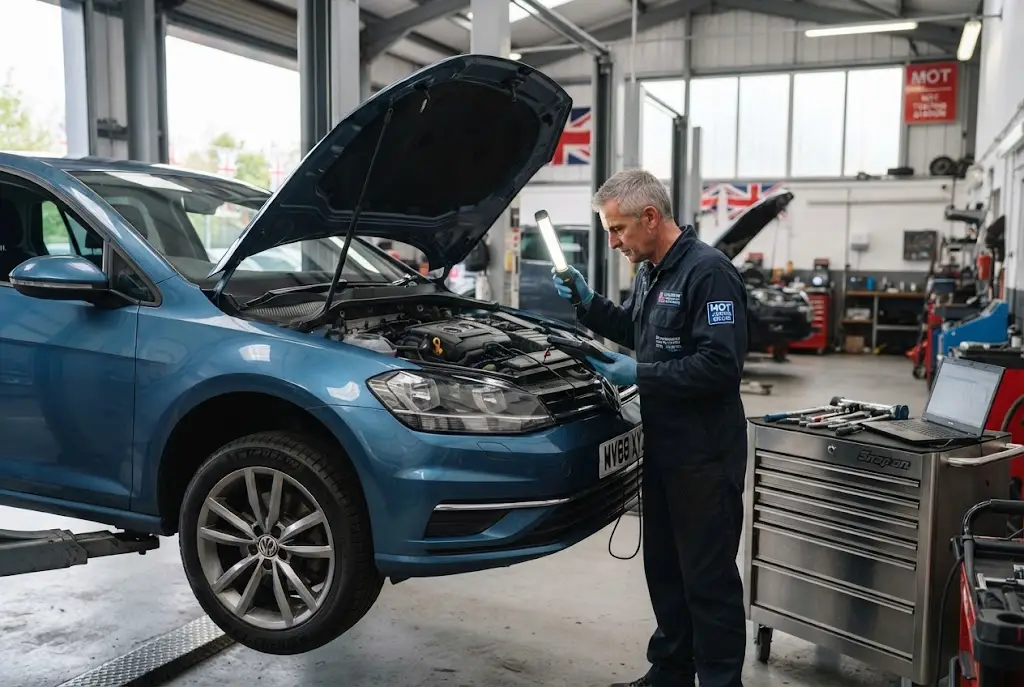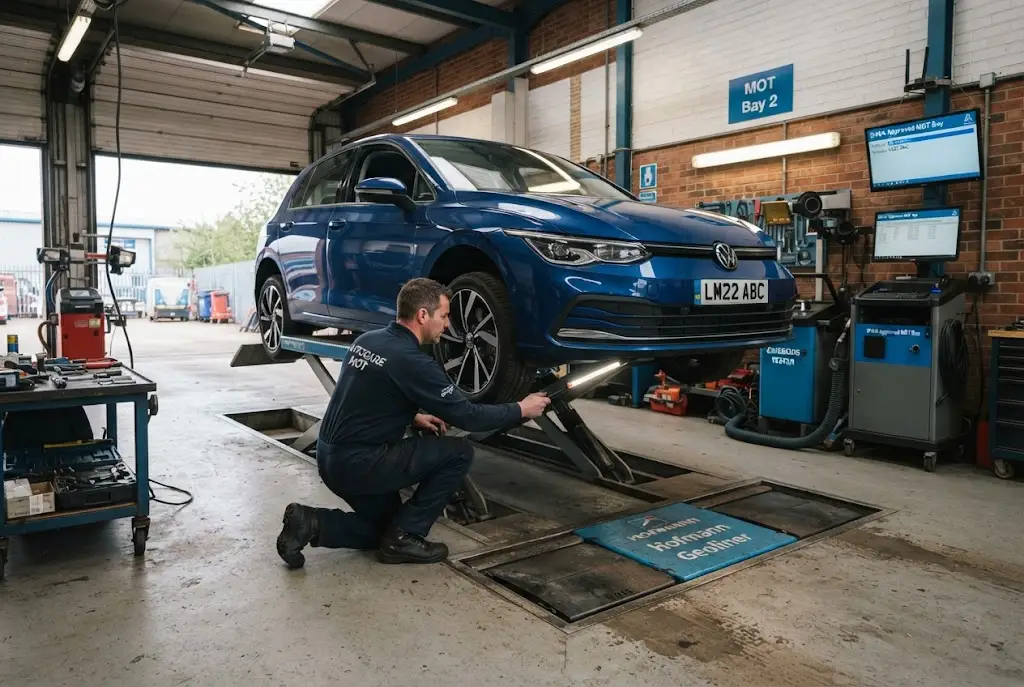
For everyday motorists, it is important to understand that an MOT and routine servicing are not the same thing. An MOT checks whether a vehicle meets the required legal standards at the time of the test, while servicing is intended to maintain the vehicle and identify mechanical issues that may require attention. Keeping both processes up to date can support vehicle safety and help drivers stay aware of their responsibilities.
What Are the Latest MOT Rule Changes in 2026?
Several DVSA updates have been introduced or rolled out during 2026. The changes do not all affect ordinary car owners directly, but they are relevant to MOT testing stations, testers and specific categories of vehicles.
One of the most visible developments is the national rollout of photographs at MOT tests. From 3 August 2026, DVSA began expanding a feature that allows MOT testers to take and upload a photograph of a vehicle during the test. The initial phase involved around 2,500 garages across Great Britain, with further phases planned as the system develops.
The purpose of the phased rollout is to allow DVSA to monitor system performance and tester adoption while limiting disruption. If a particular garage has not yet received access, there is no requirement for the vehicle owner to take action simply because the feature has not reached that test station.
MOT and Service: Understanding the Difference
An MOT and a service have different purposes, even though many garages offer both appointments together.
An MOT is a statutory vehicle test that assesses whether a vehicle meets the required roadworthiness standards at the time it is tested. A service, by contrast, is scheduled maintenance intended to keep the vehicle operating properly and identify wear or developing problems.
A current MOT certificate should not be interpreted as proof that a vehicle is mechanically perfect. A vehicle can develop a fault after passing its MOT, and the owner remains responsible for ensuring that the vehicle is safe to drive.
This distinction is particularly important for drivers who are trying to manage car service cost. A service may identify maintenance requirements that are separate from the MOT itself, so motorists should budget for routine servicing as well as statutory testing.
New MOT Photo Checks Across Great Britain
The national rollout of photographs represents one of the notable MOT developments of 2026. Under the new feature, testers can use a smartphone, tablet or another compatible mobile device to take and upload a vehicle photograph at the time of the test.
The rollout is being introduced in phases rather than activated at every garage simultaneously. This approach allows DVSA to monitor the service and review how the feature performs in real testing environments.
For motorists, the development is primarily relevant as part of the wider evolution of MOT administration and record keeping. Drivers should continue to use official MOT records and documentation when checking the status of their vehicle.
Changes Affecting Zero-Emission Goods Vehicles
A significant technical change introduced on 1 June 2026 affects certain zero-emission goods vehicles. Zero-emission goods vehicles with a design gross weight between 3,501kg and 4,250kg are now classed as Class 7 vehicles for MOT purposes.
These vehicles require a Class 7 MOT test, with the first test due three years after registration. The change brings the affected vehicles into the Class 7 testing system and reflects the development of heavier zero-emission commercial vehicles.
The change is especially relevant to operators, fleet managers and businesses using electric goods vehicles rather than ordinary private-car owners. It also demonstrates how vehicle testing rules are adapting as the UK vehicle fleet changes.
Updated MOT Testing Guidance for Garages
DVSA has made several amendments to its MOT testing guidance during 2026. These updates cover areas such as authorised examiner requirements, quality management, testing equipment and procedures for different vehicle classes.
For example, the MOT testing guide was updated in September 2026 to clarify the measurement of the roller brake tester floor plate where part of the brake testing standing area is outside the building.
Earlier amendments during 2026 also updated quality-control requirements for authorised examiners. The guidance states that quality checks must be carried out by a competent person with the appropriate knowledge, skills and experience to assess MOT testing standards.
These changes are mainly operational rather than new obligations for ordinary motorists. However, they matter because consistent testing procedures help maintain confidence in the vehicle testing system.
Annual MOT Tester Training and Assessment
MOT testers continue to have annual training and assessment requirements. For the 2026 to 2027 training year, testers must complete the relevant training and pass their annual assessment to maintain their MOT testing status.
For the current assessment period, the pass mark is 80%. The assessment includes questions covering areas such as lamps and electrical equipment, braking requirements, information in the MOT testing guide and the MOT inspection manual for cars and passenger vehicles.
This annual process is important because MOT testing depends on trained personnel applying the relevant inspection standards consistently. If a tester does not meet the annual requirements, their MOT testing status can be suspended.
Are MOT Regulations the Same Across the UK?
Motorists should pay attention to geographical scope when reading MOT updates. Many DVSA announcements apply to England, Scotland and Wales, while Northern Ireland has its own vehicle testing arrangements.
This distinction is particularly important when searching online for the latest guidance. A rule or announcement published by DVSA may apply across Great Britain without automatically applying to Northern Ireland.
Drivers should therefore check the relevant official guidance for their location rather than assuming that every UK-wide automotive headline describes the same legal requirements everywhere.
What Does This Mean for Annual Inspections?
For most private motorists, the fundamental purpose of the annual MOT remains familiar: the vehicle must meet the applicable test standards when it reaches the testing station.
However, the wider testing system is becoming more digitally supported. New photography features, updated testing-service procedures and continuing revisions to inspection guidance show that the administration behind annual vehicle testing is changing.
Drivers should continue checking their MOT expiry date and arrange a test at an appropriate time. They should also remember that passing the MOT does not remove the need for normal maintenance between tests.
Why Regular Servicing Still Matters
The distinction between testing and maintenance is one of the most important points for vehicle owners to understand. An MOT can identify certain defects covered by the test, but it is not a substitute for a manufacturer’s servicing schedule or routine vehicle checks.
Servicing can involve items such as engine oil, filters, fluid checks and inspections of components according to the vehicle manufacturer’s recommendations. The exact work varies by make, model, mileage, age and service schedule.
Drivers who combine their MOT planning with regular maintenance can create a more structured approach to vehicle ownership. However, an MOT failure should not be confused with a normal service requirement, and passing an MOT does not guarantee that no maintenance work is needed.
What Should You Check Before an MOT?
Although no preparation can guarantee an MOT pass, drivers can perform basic checks before taking their vehicle to a test station.
- Check that exterior lights appear to work correctly.
- Make sure tyres are properly inflated and appear to be in safe condition.
- Check that the windscreen and wipers are in suitable condition.
- Ensure the number plates are clean and readable.
- Check that the horn operates correctly.
- Make sure warning lights are not indicating an obvious fault.
- Keep the vehicle reasonably clear so required areas can be accessed during testing.
These checks are not a replacement for professional inspection. They simply give drivers an opportunity to identify obvious issues before arriving at the test station.
What Happens If a Vehicle Fails Its MOT?
If a vehicle fails its MOT, the test result will identify defects that need attention. The appropriate response depends on the severity and nature of the defects recorded.
Drivers should read the MOT result carefully and ask the garage to explain any unfamiliar technical terminology. If repairs are required, obtain a clear estimate before authorising additional work where appropriate.
Repair requirements can also be relevant to the overall maintenance budget. A vehicle that requires substantial work after an MOT may have significantly higher expenses than the cost of the test itself. This is another reason routine servicing and sensible maintenance planning remain important.
How MOT Developments Relate to Vehicle Inspections
MOT testing is only one part of the broader vehicle inspection landscape. Professional inspection services, diagnostic checks and pre-purchase inspections can address questions that go beyond the legal MOT test.
For example, someone considering a used vehicle may want an independent assessment of its mechanical condition rather than relying only on its current MOT history. Our coverage of auto inspection services will explore inspection updates, safety checks, diagnostic developments and consumer guidance in greater detail.
How New Vehicle Technology Is Changing Servicing
The vehicle fleet is also becoming more diverse. Hybrid cars, battery-electric vehicles and newer driver-assistance systems can require different maintenance approaches from older petrol and diesel vehicles.
As a result, motorists should choose service providers with appropriate knowledge and equipment for their particular vehicle. This is especially relevant when dealing with hybrid systems, high-voltage components or manufacturer-specific diagnostic requirements.
For more information about developments in this area, see our coverage of hybrid services and EV servicing, which forms part of the wider Daily Flash automotive cluster.
Keeping Up With DVSA Updates
Automotive rules can change through amendments to testing guidance, special notices, legislation and operational announcements. The DVSA’s official MOT materials provide the most relevant source for current testing guidance and special notices.
For motorists, the practical approach is to rely on official information when a change could affect testing requirements, rather than social media posts or outdated articles. This is particularly important when an announcement concerns a specific vehicle category or applies only to certain parts of Great Britain.
For wider automotive developments, our automotive news coverage will also track major industry announcements, recalls, market developments and consumer-focused stories.
Final Thoughts on MOT and Service Rules in 2026
The latest MOT and service developments in 2026 show that the UK’s vehicle-testing system continues to evolve. The national rollout of photographs at MOT tests, changes for certain zero-emission goods vehicles and regular updates to tester guidance are among the notable developments this year.
For everyday drivers, the key point is that an MOT remains a legal test of roadworthiness at the time of testing, while servicing is an important part of ongoing vehicle maintenance. Keeping the two processes separate in your planning can make it easier to understand costs, responsibilities and vehicle condition.
Drivers should also check official DVSA guidance when new testing announcements are published, particularly where rules concern specific vehicle classes. Maintaining a regular service schedule alongside a valid MOT can help motorists take a more proactive approach to vehicle care and road safety.
Authoritative source: For current MOT testing updates and official announcements, consult the DVSA MOT manuals, checklists and special notices.