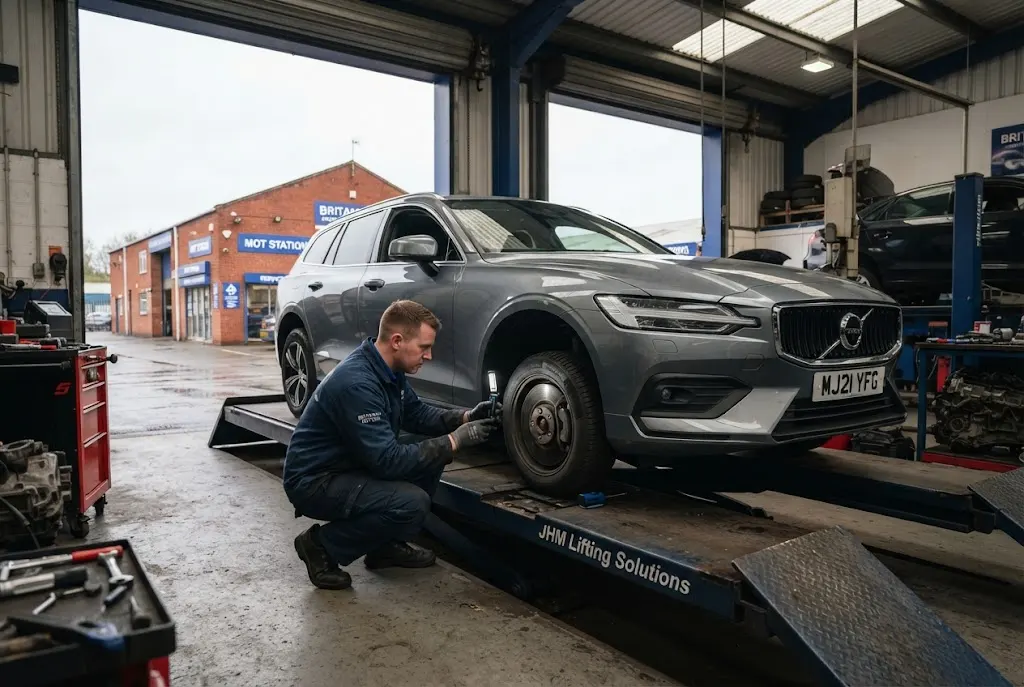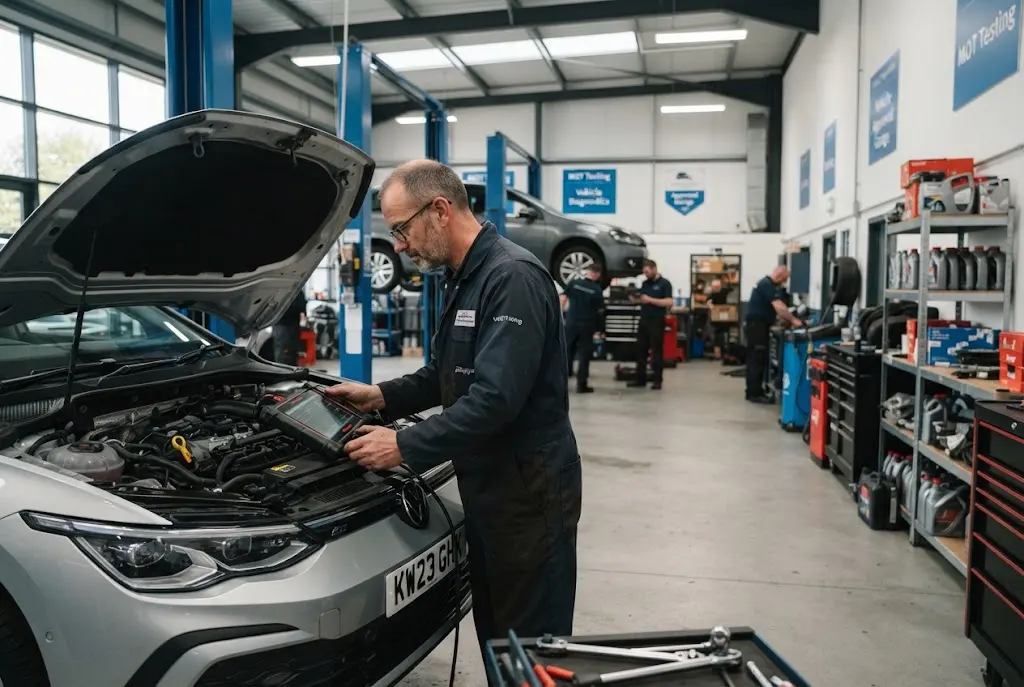
Keeping up with auto repair services news can help UK drivers understand why repair times change, which workshop issues may affect availability, and when a vehicle problem deserves immediate attention. From parts shortages and repair delays to workshop updates, recalls and changing repair practices, developments across the automotive sector can have a direct effect on vehicle ownership.
This guide looks at the key developments drivers should watch while choosing a repair provider, booking maintenance or responding to a vehicle fault. It also considers how wider changes in the repair industry can influence garages and motorists across Britain.
Why Auto Repair Services News Matters to UK Drivers
Vehicle repairs are no longer simply a matter of taking a car to the nearest garage and collecting it later. Modern vehicles increasingly depend on electronic systems, sensors, software and specialised components. As a result, a relatively straightforward fault can sometimes require diagnosis, specialist equipment or parts that are not immediately available.
Following auto repair services developments gives motorists useful context when a garage explains that a repair may take longer than expected. It can also help vehicle owners ask better questions before approving work.
For example, a driver facing a delayed repair may want to know whether the delay relates to diagnosis, parts availability, workshop capacity or manufacturer procedures. Understanding these factors can make communication between the customer and garage much clearer.
Repair Delays Remain an Important Consumer Issue
Repair delays can be frustrating, particularly when a vehicle is needed for commuting, school runs, business travel or other essential journeys. However, not every delay means that a workshop is performing poorly.
A repair can take longer when a fault is difficult to diagnose, a specific component has to be ordered, additional damage is discovered during dismantling, or a manufacturer procedure requires further checks. Complex electrical and electronic systems can also require additional diagnostic time.
Drivers should therefore ask the workshop for a clear explanation of the expected repair process. Useful questions include whether the vehicle has already been diagnosed, whether required parts have been ordered and whether the estimated completion date could change.
Parts Shortages and Their Effect on Workshops
Parts availability is another important area in repair industry news. Garages depend on manufacturers, distributors and parts suppliers to obtain everything from routine service components to specialist replacement parts.
When a required component is unavailable, a workshop may have to wait before completing the job. The situation can be particularly inconvenient when the vehicle cannot safely be driven while the repair is outstanding.
Vehicle owners can reduce uncertainty by asking whether the required parts are currently in stock before authorising major work. For larger repairs, it may also be useful to ask whether the quoted completion date depends on parts arriving from another supplier.
These conversations become even more important for older or less common vehicles, where replacement components may not be as readily available as parts for popular models.
Workshop Updates and Changing Repair Practices
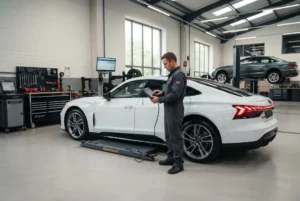
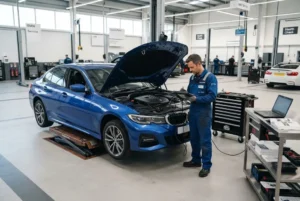
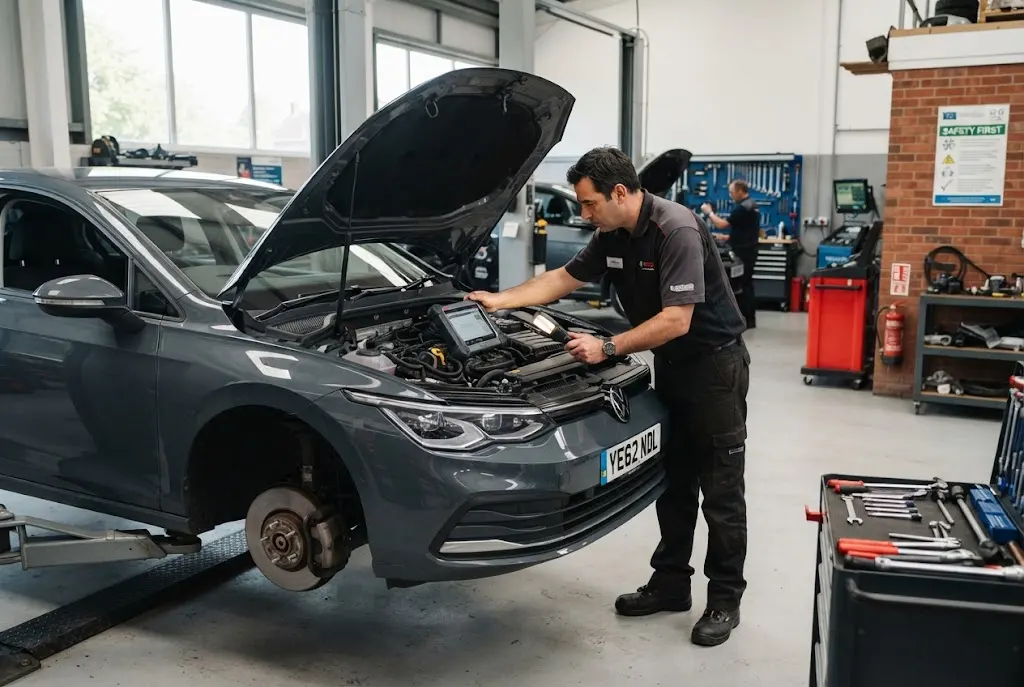
UK workshops are adapting to changes in vehicle technology and customer expectations. Modern repair businesses increasingly need diagnostic capabilities that can identify electronic and computer-controlled faults alongside traditional mechanical problems.
For consumers, this means that choosing a workshop is not always about proximity alone. The right garage for a particular repair may depend on whether it has the equipment, training and experience needed for that vehicle.
Drivers researching auto service garage options can also consider whether a workshop regularly handles their vehicle type and the kind of repair required.
Latest Repair Trends Drivers Should Watch
Several developments are shaping the way motorists approach vehicle repairs. One is the growing importance of electronic diagnostics. Another is the increasing complexity of vehicles, which can make specialist knowledge more valuable when diagnosing faults.
Drivers are also paying closer attention to preventative maintenance rather than waiting for a major breakdown. Regular checks can identify worn components and developing problems before they become more disruptive.
This makes broader vehicle maintenance advice an important part of responsible ownership. Routine servicing, fluid checks, tyre inspections and attention to dashboard warnings can all contribute to better vehicle reliability.
Consumer Alerts: When a Repair Issue Needs Urgent Attention
Not every vehicle problem should wait for a convenient garage appointment. Warning signs such as unusual braking behaviour, serious steering problems, smoke, significant fluid leaks or a sudden loss of control-related functions can require immediate attention.
Vehicle owners should follow the manufacturer’s instructions and avoid continuing to drive a vehicle when doing so could create a safety risk.
Recalls deserve particular attention as well. The UK government provides a vehicle recall checking service that allows motorists to check whether a vehicle, part or accessory has been subject to a safety recall. Safety recall repairs are generally carried out by the manufacturer without the owner having to pay for the repair or parts. Drivers can check vehicle recalls through the official GOV.UK service.
Government guidance also explains that serious vehicle safety defects can be reported to the manufacturer and, where appropriate, to the Driver and Vehicle Standards Agency.
How Drivers Can Respond to Repair Delays
When a repair takes longer than expected, communication is usually the best starting point. Ask the workshop what has caused the delay and whether the original estimate needs to be revised.
It is also sensible to keep written records of major repair discussions, particularly when the work involves significant costs or a vehicle is expected to remain at the garage for an extended period.
If another workshop may be able to complete the repair sooner, compare the situation carefully rather than automatically moving the vehicle. Transferring an unfinished repair can create additional diagnostic or transport costs, depending on the circumstances.
What Breaking Automotive News Means for Vehicle Owners
Breaking automotive news does not always involve a dramatic vehicle launch or major manufacturer announcement. Developments involving recalls, repair procedures, component availability, workshop technology and consumer protection can be equally relevant to everyday motorists.
For example, a newly announced recall may require affected owners to arrange an inspection. A change in parts availability could influence repair times. A new diagnostic requirement could affect which workshops are equipped to handle a particular vehicle.
That is why repair industry news should be viewed from a practical consumer perspective. The most useful question is not simply what has changed, but how that change could affect vehicle safety, repair availability, ownership costs or the time required to get a car back on the road.
Choosing the Right Repair Provider
When a vehicle needs attention, drivers should consider more than price. Relevant experience, clear communication, diagnostic capability, transparent estimates and availability can all matter.
For routine maintenance, motorists may prefer a convenient local provider. For a complicated electronic or mechanical fault, specialist experience may become more important. Meanwhile, drivers facing an urgent breakdown may need a provider capable of responding outside normal workshop hours.
Consumers interested in broader auto care services can compare the type of support available before deciding which option fits their situation.
Where Mobile Repair Services Fit In
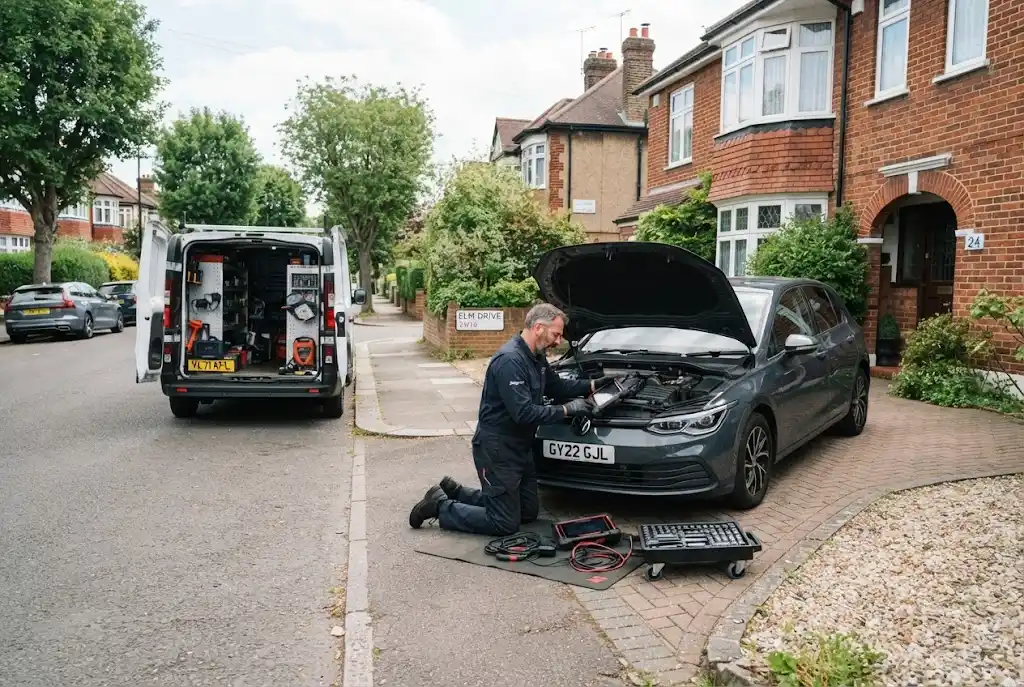
Mobile repair businesses are another part of the changing automotive service landscape. Instead of requiring every vehicle to be transported to a traditional workshop, some services can send a mechanic to the customer’s location for suitable repairs or diagnostic work.
This model can be particularly relevant when a vehicle cannot easily be driven or when a minor problem can be addressed at home or at work. However, not every fault can be safely or practically repaired outside a workshop.
Drivers following developments in mobile auto service can therefore keep track of how on-demand mechanics, roadside assistance and mobile diagnostics are developing across the UK.
Stay Informed Before Your Next Repair
The automotive repair sector continues to evolve alongside vehicle technology, parts supply networks and changing consumer expectations. For motorists, staying informed can make it easier to understand repair delays, recognise important warnings and communicate effectively with workshops.
The most useful approach is to combine current repair industry news with practical ownership habits. Check recalls when appropriate, respond to warning signs promptly, maintain the vehicle regularly and ask clear questions before approving significant repair work.
By following credible workshop updates and consumer alerts, UK drivers can make better-informed decisions when maintenance or repairs become necessary. For a wider view of vehicle ownership, future coverage can also explore seasonal servicing, garage developments and emerging mobile mechanic trends across Britain.