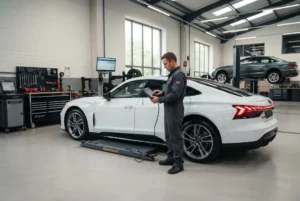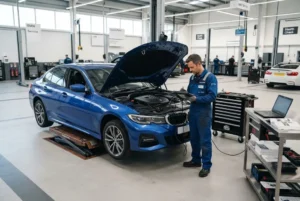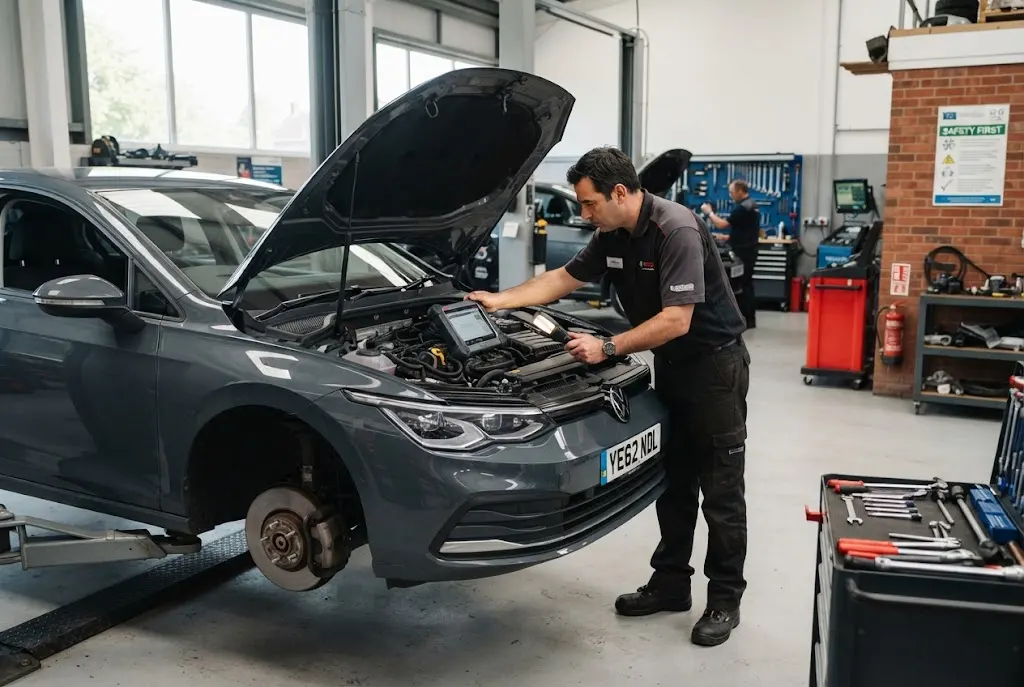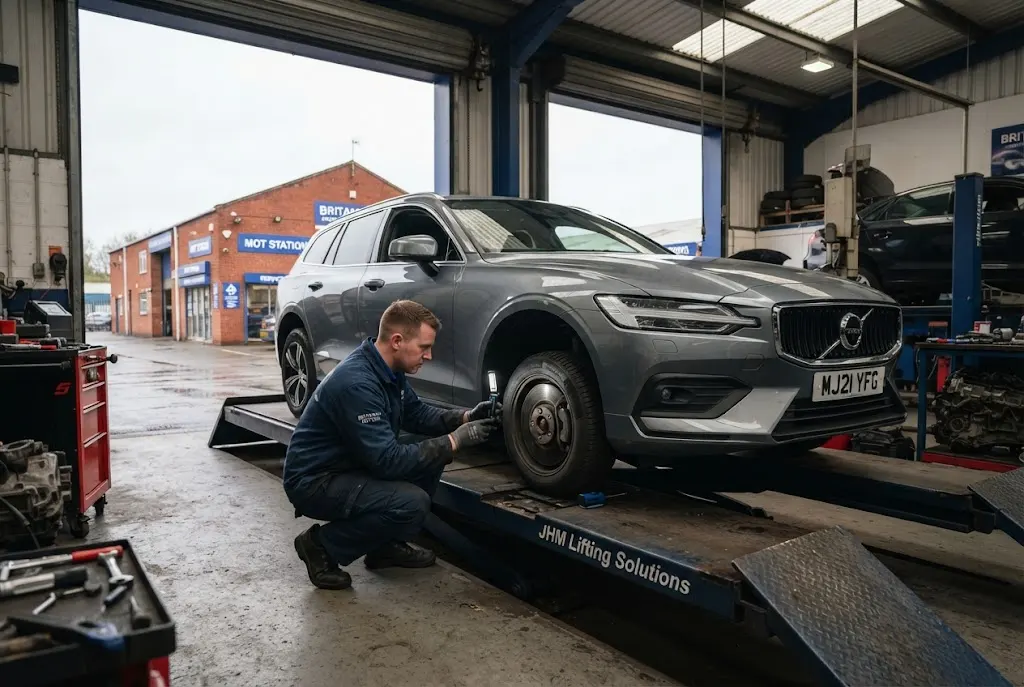
A mobile auto service can give UK motorists a convenient alternative to visiting a traditional workshop for every vehicle problem. Instead of taking a car to a fixed garage, a mobile mechanic may travel to a customer’s home, workplace or another suitable location to carry out selected inspections, maintenance tasks, diagnostics or repairs.
The mobile automotive sector is changing as drivers look for more convenient ways to manage vehicle problems. Mobile mechanics, roadside assistance, emergency servicing and app-based booking are becoming important parts of the wider automotive service conversation. However, mobile servicing is not suitable for every type of repair, so motorists should understand what these services can realistically provide.
Why Mobile Auto Service Is Gaining Attention
Convenience is one of the main attractions of mobile auto service. Taking a vehicle to a garage can be difficult when the driver has work commitments, limited transport options or a car that cannot be driven safely.
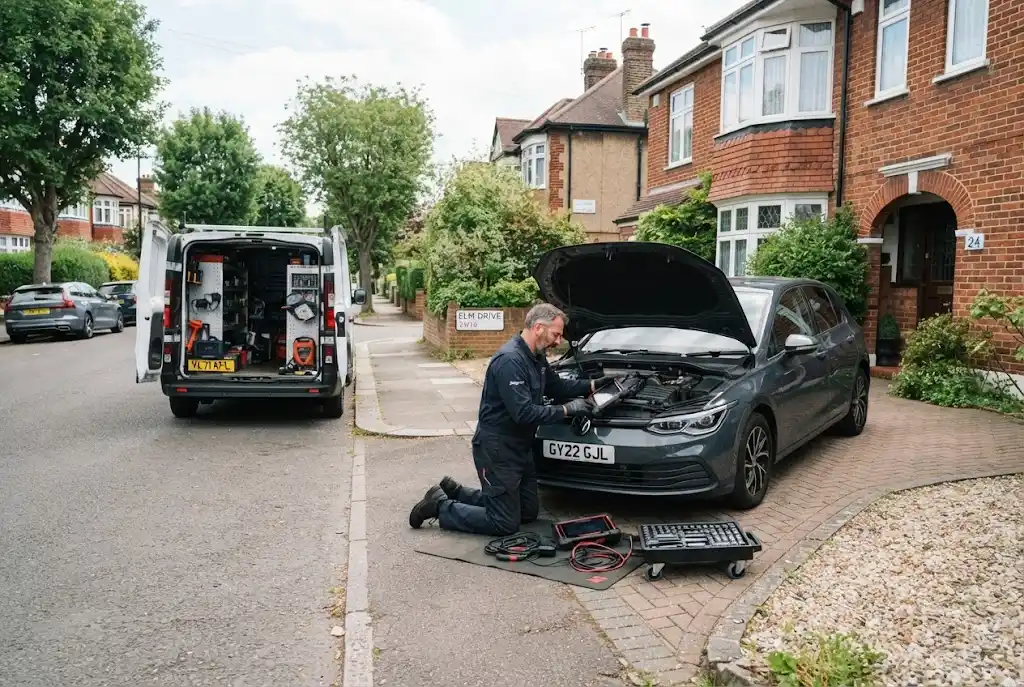
A mobile mechanic can potentially bring suitable tools and equipment directly to the vehicle. For certain problems, this can remove the need for a recovery journey to a workshop.
The type of work available varies considerably between providers. Some may focus on diagnostics and minor repairs, while others offer servicing, batteries, brakes or other mobile maintenance tasks. Drivers should therefore confirm the exact service before making a booking.
The Growing Role of Mobile Mechanics
Mobile mechanics operate differently from conventional workshops. Rather than having customers bring their vehicles to a fixed location, they travel to the vehicle and perform suitable work on site.
This model can be particularly useful for straightforward jobs that do not require a vehicle lift, extensive workshop equipment or a controlled workshop environment. It may also provide a practical option for drivers who need help at home or at their workplace.
However, a professional assessment should determine whether a repair is appropriate for mobile completion. Some mechanical, electrical or structural problems require specialist equipment that is only available at a properly equipped workshop.
Roadside Assistance and Emergency Servicing
Roadside assistance is closely connected with the growth of mobile automotive services. When a vehicle develops a problem away from home, getting assistance at the roadside can be more convenient than arranging immediate transport to a garage.
Common roadside problems can include battery issues, punctures, starting difficulties and other faults where a suitable mobile intervention may be possible. The available service depends on the provider, vehicle and nature of the problem.
Drivers should always prioritise safety when a breakdown occurs. If a vehicle stops in a dangerous location, motorists should follow appropriate roadside safety guidance and seek professional assistance rather than attempting a risky repair themselves.
On-Demand Repairs and Customer Convenience
On-demand automotive services are changing expectations around how drivers access vehicle support. Instead of waiting for a convenient workshop appointment, some motorists can request assistance at a location that works for them.
This can be particularly useful for drivers with demanding schedules. A vehicle may be inspected at home while the owner works remotely, or a suitable maintenance task may be completed at a workplace.
Convenience does not remove the need to assess the provider carefully. Before accepting a quote, drivers should understand what is included, whether additional parts or labour could be required and whether the mechanic has the appropriate equipment for the vehicle.
Latest Consumer Demand for Mobile Services
Consumer expectations across the automotive sector increasingly include convenience, clear communication and flexible scheduling. Mobile services fit naturally into this environment because they can bring certain forms of vehicle support closer to the customer.
However, demand for mobile work does not mean traditional garages are becoming unnecessary. Many repairs still require workshop facilities, specialist equipment or additional inspection time.
For motorists comparing different options, our coverage of auto service garage developments across Britain provides useful context about traditional workshops, service centres and changing automotive businesses.
Local Service News and Mobile Coverage
Mobile automotive services can be especially useful in areas where drivers have limited access to a suitable workshop nearby. A travelling mechanic may serve multiple towns and communities from one operating base.
Coverage areas vary, however. Before booking, customers should confirm that their location falls within the provider’s service area and whether additional travel charges apply.
Local availability can also change over time as automotive businesses expand, introduce new services or adjust their operating areas. Drivers should therefore check current service information rather than assuming that a provider covers every nearby location.
How Mobile Diagnostics Are Changing Vehicle Support
Modern vehicles contain increasingly sophisticated electronic systems. Diagnostic equipment can help technicians identify faults that may not be obvious from a visual inspection or a short test drive.
Mobile diagnostic services can be useful when a vehicle displays a warning light or develops an electronic fault. A technician may be able to connect suitable diagnostic equipment at the customer’s location and determine whether the issue can be addressed on site.
Diagnostics do not necessarily mean that a repair can be completed immediately. If the investigation identifies a complex mechanical or electrical problem, the vehicle may still need to be taken to a specialist workshop.
Mobile Auto Service and Routine Maintenance
Mobile services are not limited to emergency situations. Depending on the provider, certain routine maintenance tasks may also be available at the customer’s location.
Examples can include selected servicing tasks, battery replacement, inspections and other maintenance work. The exact scope varies, so motorists should ask what is included before booking.
Routine vehicle maintenance remains important regardless of whether the work is completed at a fixed garage or through a mobile provider. Seasonal checks, scheduled servicing and prompt attention to warning signs should continue to form part of responsible vehicle ownership.
When a Mobile Mechanic May Not Be Suitable
Mobile servicing has clear advantages, but it is not a universal solution. Some repairs require equipment that cannot reasonably be transported to a customer’s location.
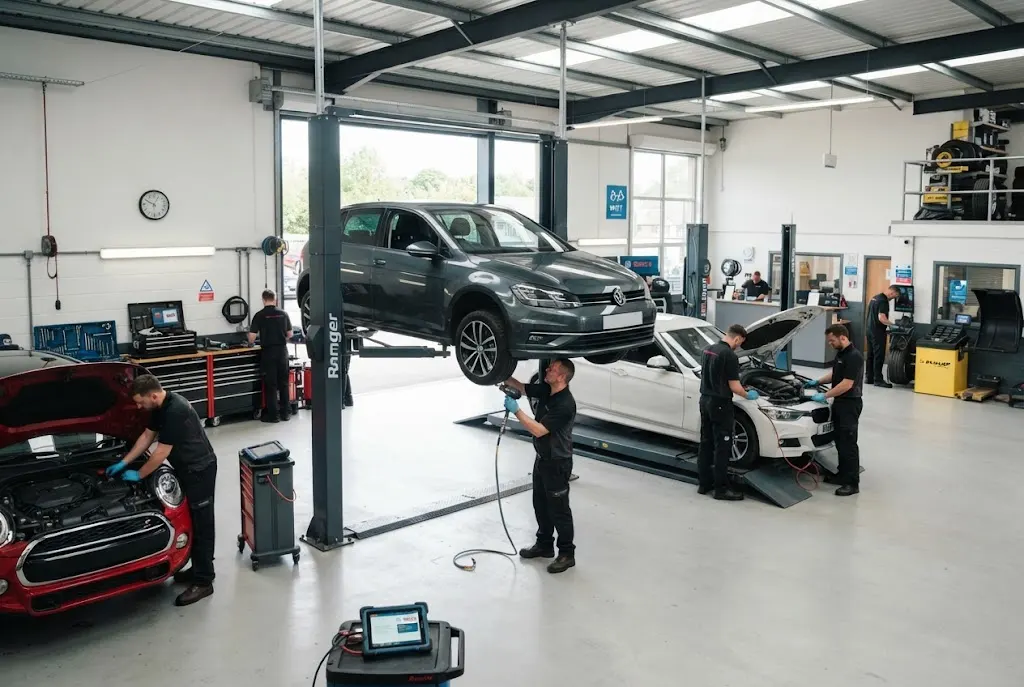
Major engine work, extensive transmission repairs, complex electrical problems or jobs requiring substantial dismantling may need a conventional workshop. A vehicle may also need to be raised safely on specialist equipment before certain components can be inspected or repaired.
Drivers should not pressure a mechanic to complete work outside the safe capabilities of the service. A professional recommendation to move the vehicle to a workshop can be appropriate when the job requires facilities that are unavailable on site.
Choosing a Mobile Automotive Provider
Before booking a mobile mechanic, motorists should establish what services the provider offers and whether they are suitable for the vehicle.
Useful questions include:
- Does the provider cover the customer’s location?
- Does the mechanic work on the vehicle’s make and model?
- What type of repair or maintenance can be completed on site?
- Are diagnostic services available?
- Are parts included in the quoted price?
- Could additional labour or travel charges apply?
- What happens if the vehicle requires workshop equipment?
Clear answers can reduce misunderstandings and help customers decide whether mobile servicing is appropriate for their particular situation.
Emergency Repairs Versus Planned Mobile Servicing
There is an important distinction between emergency assistance and planned mobile maintenance. Emergency services generally respond to an unexpected vehicle problem, while planned mobile servicing is arranged in advance.
For emergencies, response time and location can be especially important. For planned work, customers may have more flexibility to compare providers, confirm prices and schedule an appointment around their routine.
Drivers who need broader auto care services can consider whether a mobile provider, independent garage or specialist workshop best matches the required work.
The Role of Apps and Digital Booking
Digital booking is another area influencing the mobile automotive sector. Customers increasingly expect to be able to describe a problem, request a quote or arrange an appointment through an online platform or mobile application.
App-based mechanics can potentially make the booking process more convenient by connecting customers with available technicians. However, motorists should still check the details of the service rather than assuming that an online booking automatically confirms the full scope of work.
Digital convenience should complement, rather than replace, clear information about pricing, vehicle suitability and repair requirements.
Mobile Services and the Future of Automotive Support
The mobile automotive sector is likely to remain an important part of the changing vehicle service landscape. Advances in diagnostics, digital booking and customer communication can make certain forms of roadside and at-location servicing more accessible.
At the same time, traditional workshops will continue to play an essential role because many repairs require specialist facilities. The two models can therefore complement each other rather than operating as complete substitutes.
For motorists, the key is understanding which type of service fits the problem. A mobile mechanic may be ideal for a suitable on-location repair, while a complex fault may require a fully equipped workshop.
What UK Drivers Should Watch Next
Future mobile service trends are likely to involve greater use of diagnostics, more convenient booking systems and continued demand for services that reduce disruption to customers.
Drivers should nevertheless assess each provider individually. Service coverage, technical capability, pricing, equipment and the type of repair offered can vary significantly.
Keeping up with auto repair services news can also help motorists understand wider changes affecting repair availability, workshop practices and consumer expectations.
Making Mobile Vehicle Support Work for You
Mobile automotive services can provide a practical solution when a vehicle needs suitable maintenance, diagnostics or repair without requiring an immediate visit to a traditional garage. Their biggest advantage is often convenience, particularly for drivers who have limited time or a vehicle that cannot easily be moved.
However, convenience should always be balanced with safety and suitability. Drivers should confirm what a mechanic can complete on site and accept professional advice when a vehicle needs specialist workshop facilities.
As Britain’s automotive service sector continues to evolve, mobile mechanics, roadside assistance and digital booking are likely to remain important parts of the conversation. By understanding the capabilities and limitations of mobile auto service, motorists can make more informed choices when their vehicles need attention.