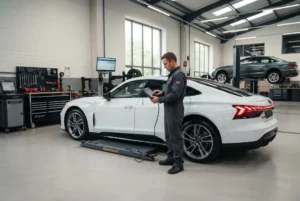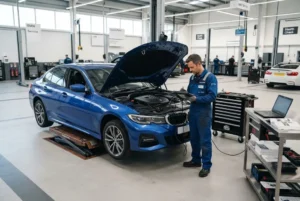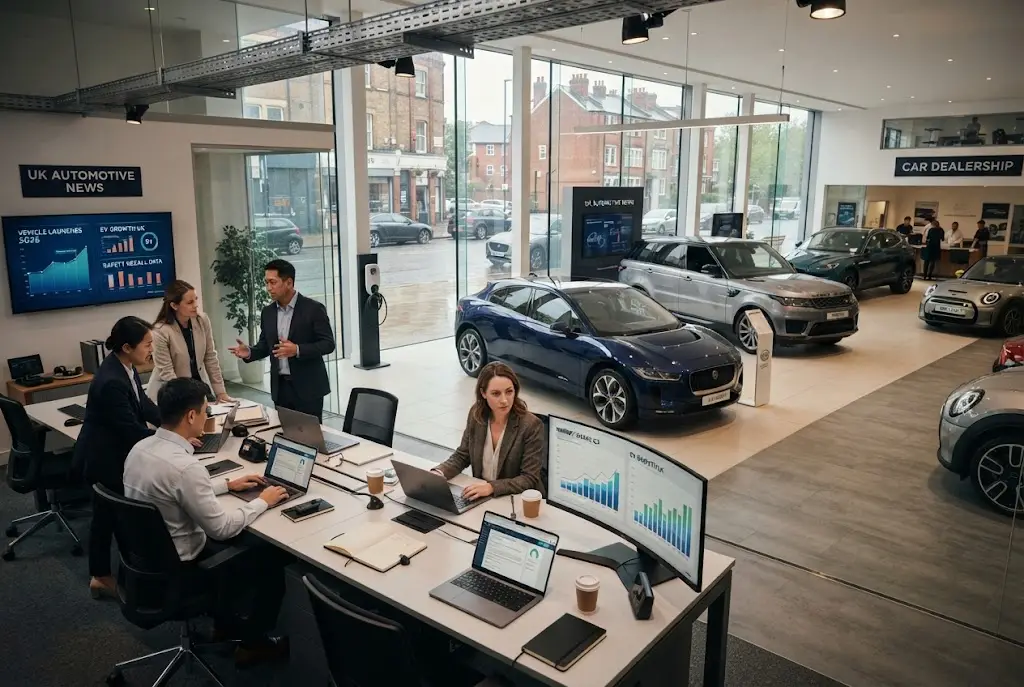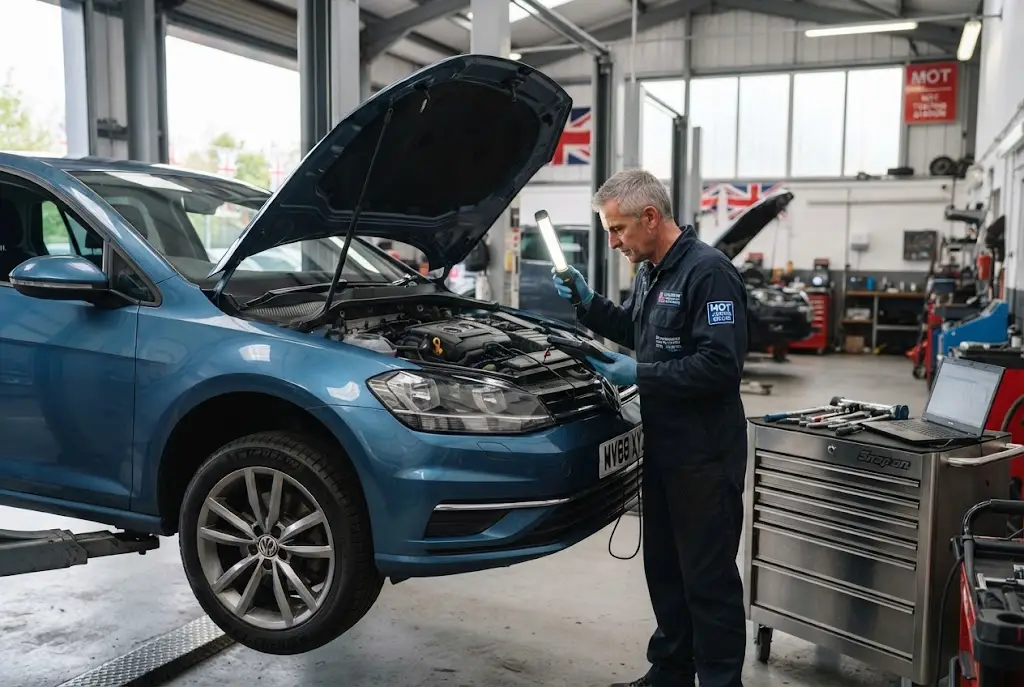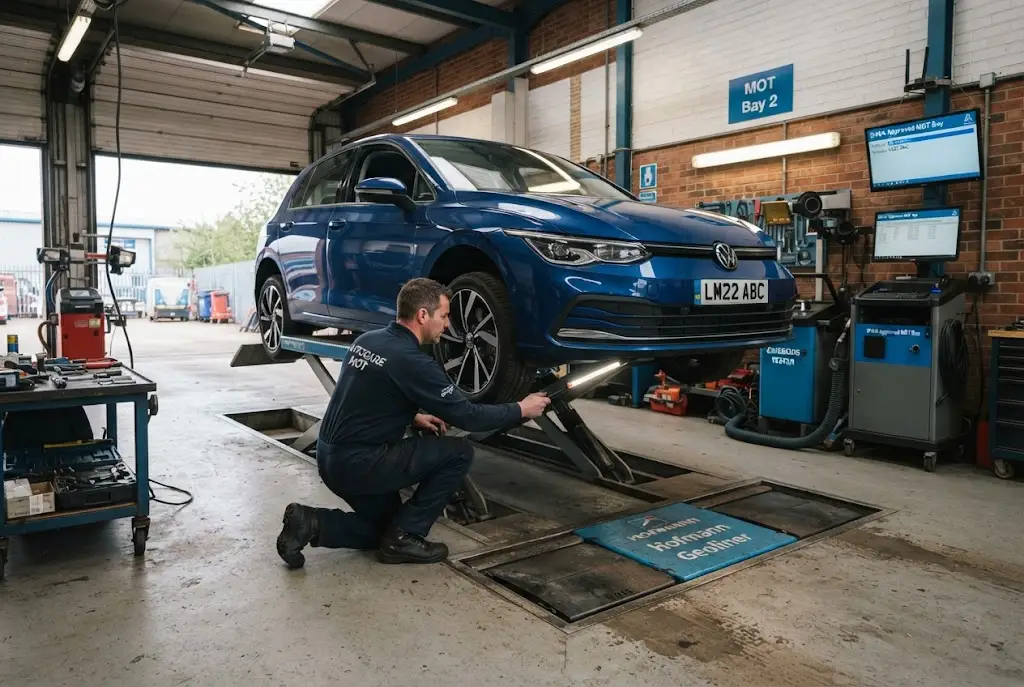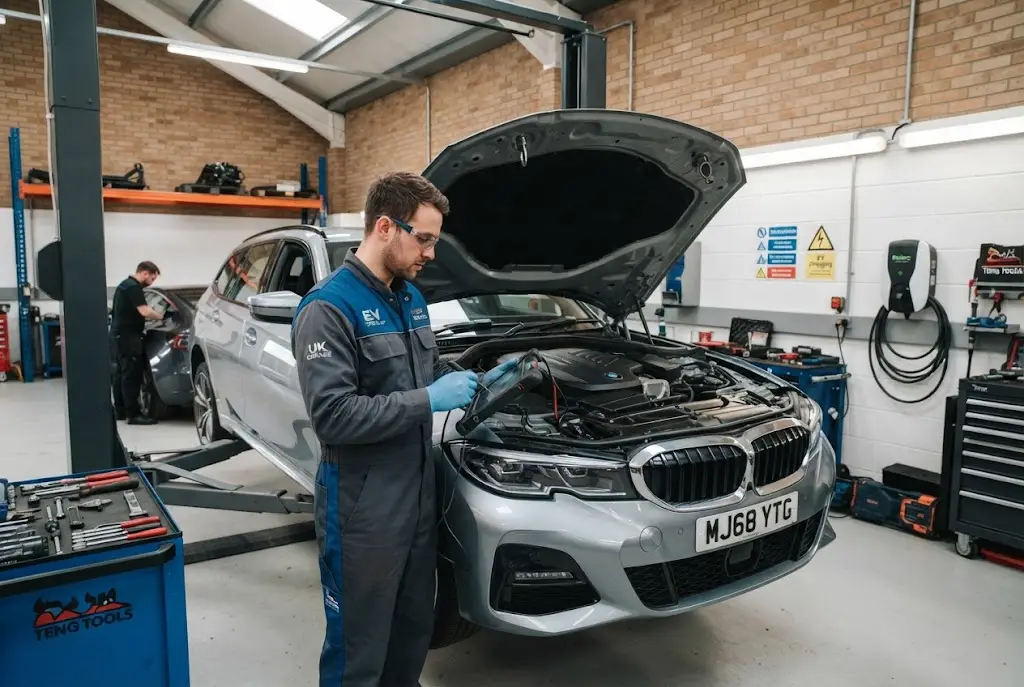
The market is changing quickly. SMMT data shows that UK registrations of battery-electric vehicles, hybrids and plug-in hybrids all increased year to date in 2026 compared with the same period of 2025. That shift has implications for servicing businesses and motorists alike, from technician training and battery diagnostics to the equipment needed to maintain increasingly sophisticated vehicles.
What Are Hybrid Services?
Hybrid services cover maintenance, diagnostics, inspection and repair work for vehicles that use both an internal combustion engine and an electric propulsion system. The exact requirements vary according to the type of hybrid and the manufacturer’s design.
A conventional hybrid uses an engine alongside an electric motor and battery system. A plug-in hybrid also combines these systems but has a battery that can be charged externally. A battery-electric vehicle, by comparison, uses electricity as its sole propulsion source and does not have an internal combustion engine.
These differences matter because servicing requirements are not identical. A hybrid still has many components associated with conventional vehicles, while its electric systems introduce additional high-voltage components and specialist safety considerations.
Why Hybrid Services Are Growing in the UK
The expansion of electrified vehicles is creating a larger potential customer base for specialist maintenance services. SMMT’s latest registration data shows that year-to-date 2026 registrations included 194,327 hybrid electric vehicles and 185,198 plug-in hybrids, compared with 174,784 and 134,331 respectively during the same period in 2025.
Battery-electric vehicles have also recorded strong growth. SMMT reports 355,746 BEV registrations year to date in 2026, up 28.6% compared with 276,635 during the equivalent period of 2025.
As more electrified vehicles enter the UK fleet, the aftermarket needs to adapt. Workshops that previously concentrated almost entirely on petrol and diesel vehicles may increasingly encounter hybrid systems, high-voltage batteries, electric motors and vehicle-specific diagnostic requirements.
EV Servicing Is Different From Traditional Car Maintenance
Electric vehicles do not require exactly the same maintenance routine as petrol or diesel cars. They have fewer conventional powertrain components, but they still contain systems that require inspection and maintenance.
Depending on the vehicle, technicians may need to assess tyres, brakes, suspension, steering, cooling systems, charging equipment, electrical systems and other components. Software and electronic diagnostics can also play a greater role in identifying problems.
This means EV servicing is not simply a matter of removing an engine service from a conventional maintenance schedule. Technicians need to understand the vehicle’s specific architecture and follow the manufacturer’s procedures.
For drivers considering the wider maintenance picture, our guide to car service cost in the UK provides useful context on how vehicle type, maintenance requirements and garage pricing can affect overall ownership expenses.
What Do Hybrid Mechanics Need to Know?
Hybrid and electric vehicles introduce safety considerations that differ from conventional cars. High-voltage systems can present serious hazards if they are not handled correctly.
Official commercial roadworthiness guidance recognises hybrid electric, battery-electric and plug-in hybrid vehicles as alternatively fuelled vehicles. It also states that maintenance staff and drivers must be trained, provided with suitable safety equipment and aware of the emergency measures relevant to the vehicle’s fuel or power system.
For consumers, this means it is sensible to ask whether a workshop has the appropriate training, equipment and experience for the vehicle being serviced. A general garage may be perfectly capable of handling routine work, but specialist electrical or high-voltage tasks require appropriate competence.
Battery Technology and Vehicle Maintenance
The traction battery is one of the defining components of an electrified vehicle. Battery systems can vary considerably between manufacturers and models, so inspection and diagnostic procedures are vehicle-specific.
Battery condition can also influence vehicle performance, range and long-term ownership considerations. However, motorists should be cautious about claims that assign a universal lifespan or replacement cost to every EV or hybrid battery. Battery chemistry, usage, temperature, charging behaviour and vehicle design can all affect performance.
Professional diagnostics can help identify faults or irregularities, but battery health assessments should be carried out using appropriate equipment and procedures for the specific vehicle.
How EV Mechanics Are Changing the Workshop
The growth of electric vehicles is changing the skills required across the automotive aftermarket. Traditional mechanical knowledge remains important, but technicians increasingly need competence in electrical systems, electronic diagnostics and high-voltage safety.
Workshops may also need new equipment, insulated tools, protective equipment and dedicated procedures for isolating high-voltage systems. Training becomes particularly important where technicians are expected to work directly on battery packs or other high-voltage components.
For workshop owners, this transition can involve investment in training and equipment. For motorists, it means that choosing a technician based solely on proximity or a low advertised price may not provide enough information when specialist EV or hybrid work is required.
Hybrid Servicing Still Includes Conventional Components
Although hybrids use electric propulsion, many still contain conventional mechanical systems that require maintenance. Depending on the vehicle, these can include an internal combustion engine, engine oil and filters, cooling systems, brakes, suspension, tyres and other components.
Regenerative braking can also change how a hybrid uses its friction brakes. However, reduced brake wear does not mean that brakes can be ignored. Brake components still require inspection and maintenance according to the vehicle manufacturer’s recommendations and their actual condition.
Servicing requirements therefore need to be based on the individual vehicle rather than assumptions about all hybrid models.
Charging Infrastructure and EV Maintenance
Charging infrastructure is another important part of the wider EV ecosystem. Drivers may charge at home, at workplaces or through public charging networks, and each environment can involve different equipment and usage patterns.
For company-car users and businesses, HMRC’s advisory fuel rates provide separate electric rates for home and public charging. From September 2026, the published rates are 7 pence per mile for home charging and 15 pence per mile for public charging. These are tax-related advisory rates rather than universal statements about what every driver actually pays to charge.
As charging infrastructure expands, technicians may increasingly encounter charging-related faults involving vehicle connectors, onboard charging systems or associated electrical components. Such problems can require specialist diagnosis rather than traditional mechanical repair.
UK EV Industry News and Market Growth
The UK electric vehicle market has continued to expand during 2026. SMMT reported that battery-electric vehicles reached a 30.0% share of new-car registrations in June 2026, while its August data shows BEVs representing 29.8% of that month’s new-car market.
SMMT’s August figures also show hybrid electric vehicles at 12.7% and plug-in hybrids at 14.5% of new-car registrations for the month. Together, these figures illustrate how significant electrified powertrains have become within the new-car market.
For the automotive servicing industry, the implication is straightforward: the composition of vehicles entering workshops is changing. Over time, servicing businesses will need to support an increasingly diverse mixture of conventional, hybrid and fully electric vehicles.
Government Policy and Future Mobility
The UK’s transition towards zero-emission transport also remains an active policy area. In August 2026, the Department for Transport opened a consultation reviewing the operation of the Zero Emission Vehicle Mandate.
The consultation is intended to inform the government’s review of the Vehicle Emissions Trading Schemes Order and the pathway towards zero-emission vehicle adoption. It is therefore relevant to manufacturers and the wider automotive industry, although a consultation should not be treated as a final change to existing requirements.
The wider policy environment can influence vehicle availability, manufacturer strategies, consumer choices and, eventually, the type of vehicles that independent garages and dealerships need to service.
Maintenance Considerations for Hybrid Vehicle Owners
Hybrid owners should follow the servicing schedule supplied for their particular vehicle. Maintenance intervals can differ by model, engine, usage pattern and manufacturer.
Owners should also pay attention to warning messages, unusual noises, changes in vehicle behaviour and charging or electrical problems. A warning relating to a hybrid or high-voltage system should not be ignored simply because the vehicle remains driveable.
Where specialist work is required, confirm that the workshop has suitable hybrid or EV training and equipment before booking the vehicle in.
Are EVs and Hybrids Easier to Service?
There is no single answer because an electrified vehicle can reduce some maintenance requirements while introducing others.
Battery-electric vehicles do not have conventional engine oil, spark plugs or many of the mechanical components associated with internal combustion engines. However, they still require attention to tyres, brakes, suspension, steering, cooling systems, electrical systems and other components.
Hybrids can combine many conventional maintenance requirements with additional electric components. The overall maintenance experience therefore depends heavily on the particular vehicle and how it is used.
The most useful approach is to follow the manufacturer’s maintenance schedule rather than assuming that an EV or hybrid requires either no servicing or exactly the same servicing as a petrol car.
Choosing the Right Hybrid Services Provider
When selecting a workshop, consider the nature of the work rather than simply searching for the lowest price. Routine tyre or brake work may not require the same specialist capabilities as high-voltage battery diagnostics.
Useful questions include:
- Does the workshop have experience with your specific vehicle?
- Are technicians trained to work on hybrid or high-voltage systems?
- Does the garage have suitable diagnostic equipment?
- Can it follow the manufacturer’s servicing procedures?
- Will additional work be discussed before it is carried out?
- Will you receive a clear record of the work completed?
These questions can help distinguish between ordinary maintenance and specialist work and make it easier to choose an appropriate provider.
How Hybrid Services Fit Into Vehicle Inspections
Servicing and inspection remain complementary even as vehicles become more electrified. A professional inspection can investigate roadworthiness and specific concerns, while scheduled servicing addresses the maintenance requirements set out for the vehicle.
Our guide to auto inspection services covers safety inspections, diagnostic checks, used-car inspections and broader roadworthiness considerations.
Drivers should also remember that an MOT remains a separate statutory test. Recent changes to testing procedures are covered in our guide to MOT and service rule changes.
What the Future Could Mean for Automotive Workshops
The increasing number of electrified vehicles suggests that workshop capabilities will continue to evolve. The aftermarket is likely to require a combination of traditional mechanical skills and increasingly specialised electrical and diagnostic expertise.
Battery technology, charging infrastructure, vehicle software and advanced electronic systems are becoming more important parts of vehicle ownership. At the same time, conventional vehicles will remain part of the UK fleet for years, meaning workshops need to support multiple powertrain technologies rather than replacing one with another overnight.
This creates a more complex servicing environment, but it also gives independent garages and specialist technicians opportunities to develop new services around emerging vehicle technologies.
Final Thoughts on Hybrid Services in the UK
Hybrid services are becoming an increasingly important part of the UK’s changing automotive landscape. Strong growth in BEV, HEV and PHEV registrations means more motorists will eventually need workshops capable of maintaining vehicles that combine sophisticated electrical systems with, in many cases, conventional mechanical components.
For vehicle owners, the main priority is to follow the manufacturer’s maintenance schedule and use appropriately trained technicians for specialist work. High-voltage systems should be treated as specialist equipment, while routine components such as tyres, brakes, suspension and other safety systems still require normal attention.
For the automotive industry, the transition means continued investment in technician skills, diagnostic equipment, safety procedures and charging-related expertise. As the UK vehicle fleet changes, hybrid and EV servicing will become an increasingly important part of the broader automotive aftermarket.
Follow Daily Flash for further coverage of UK automotive developments, including vehicle inspections, MOT changes, servicing costs, electrification and wider industry news.
Authoritative source: For official guidance on maintaining alternatively fuelled vehicles, see the GOV.UK guide to maintaining roadworthiness.