Road safety is something every driver can improve on every journey, from a short school run to a long motorway trip. As evenings grow darker and roads become wetter, small habits matter more. Visibility falls, stopping distances grow, and a simple mistake has less room to be forgiven. This guide explains road safety in plain, practical terms for UK drivers and families. It covers the driver’s part, the car’s part, and the needs of people outside the car. You will find clear steps here that you can use before, during and after a journey.
Good road safety is rarely about one dramatic action. Instead, it is about many small choices made consistently. For example, checking your tyres, slowing down in rain, putting your phone away and looking twice for a cyclist all take seconds. Together, those choices protect you, your passengers and strangers you may never meet. Heading into the darker months is therefore the ideal time for a refresher, because the conditions that test drivers most are about to become part of daily life again.
Why Road Safety Matters More in the Darker, Wetter Months
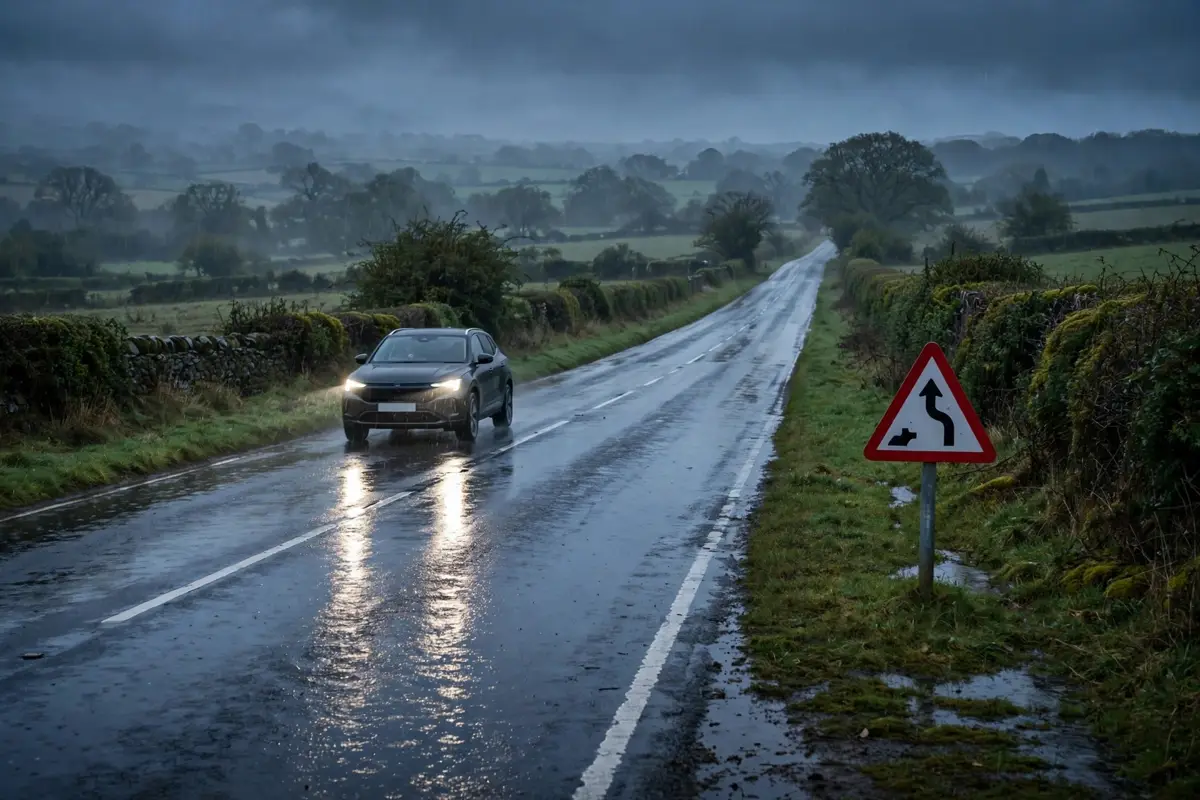
Autumn and winter change the road itself. Rain can leave the surface slippery, especially after a dry spell. Fallen leaves hide markings and make braking less predictable. In addition, low sun, fog and long hours of darkness make other road users harder to see. A journey that felt easy in June can therefore demand far more care in October or November.
Shorter days also change when people travel. Many drivers now make both the morning and evening commute in the dark. Children travel to and from school in poor light. Cyclists and pedestrians share roads that are busier, wetter and less forgiving. As a result, road safety becomes a shared task, not just a personal one. Slowing down, seeing clearly and being seen clearly matter more than ever.
Safe Driving: The Driver’s Part in Road Safety
Safe driving starts with the person behind the wheel. A well-maintained car cannot correct a rushed decision. Equally, a careful driver can prevent a minor hazard from becoming an emergency. The habits below are simple, well-established parts of safe driving, and they matter on familiar local roads as much as on long journeys.
Choose a Speed for the Conditions, Not Just the Limit
A speed limit is a maximum, not a target. In rain, fog, darkness or heavy traffic, the safe speed may be well below the posted limit. Ask yourself whether you could stop within the distance you can see to be clear. If the answer is doubtful, ease off. Arriving a few minutes later is always better than not arriving safely at all.
Smooth driving also helps. Accelerate gently, brake early and avoid sudden steering on wet surfaces. By doing so, you give your tyres more grip and give drivers behind you more time to react. In short, leave time and space for the unexpected.
Leave a Bigger Gap in Rain
Following distance is one of the easiest safety margins to control. In dry weather, keep a clear gap so you can stop if the vehicle ahead brakes suddenly. In wet weather, at least double that gap. Spray reduces visibility, and wet brakes and tyres need more distance to work.
If another driver fills the gap you have left, do not compete for the space. Simply drop back again and rebuild your margin. That calm response is a core part of road safety, even when other drivers are impatient.
Manage Fatigue, Phones and Other Distractions
Tired drivers react more slowly and judge speed and distance less well. If you feel sleepy, a short stop is not enough if you still cannot concentrate. Plan longer journeys with proper breaks, share driving where possible, and avoid starting a long trip after a demanding day without rest.
Phones are another clear risk. Put the phone out of reach, use settings that silence alerts, and deal with messages only when you are parked safely. The same rule applies to sat nav adjustments, searching for music and turning round to deal with children. If something needs your attention, stop in a safe place first.
Roadworthiness: Simple Checks That Protect Everyone
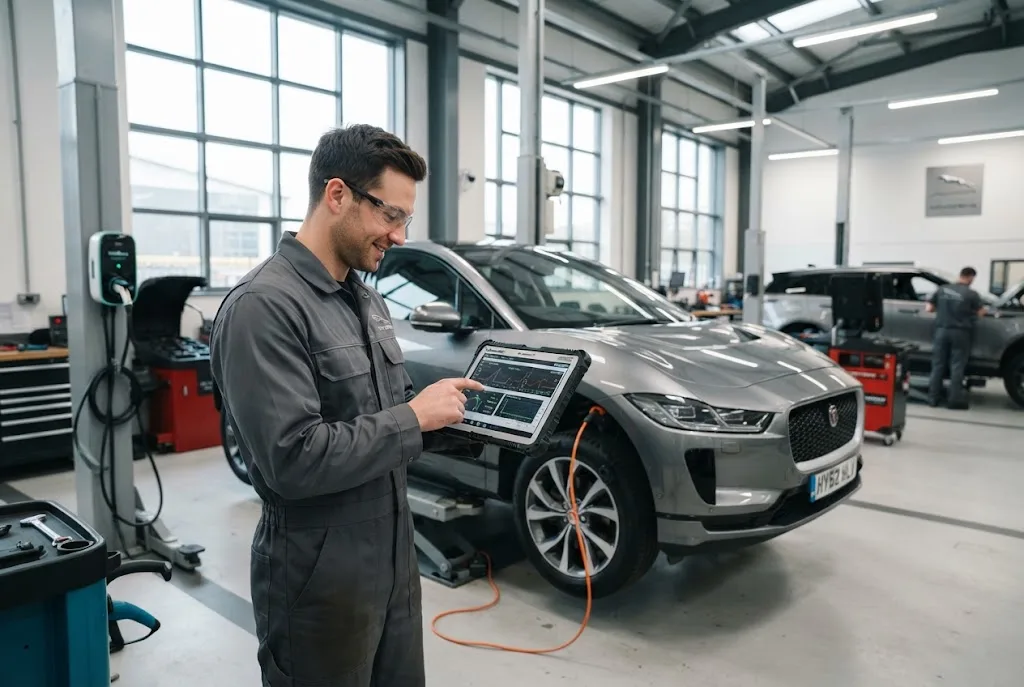
Roadworthiness means your car is fit to be used safely on the road. You do not need mechanical training to carry out the basic checks. A few minutes each week, and a longer look before a long journey, can reveal problems while they are still cheap and easy to fix. These checks also support consumer safety, because they help you spot wear before it becomes a breakdown or a failed test.
Tyres and the Legal Minimum Tread Depth
Tyres are your only contact with the road, so their condition matters greatly. Check pressures regularly, including before long trips, and follow the car maker’s guidance. Look for cuts, bulges, cracks and objects stuck in the tread. Also check tread depth across the tyre and around it.
For cars in the UK, the legal minimum tread depth is 1.6mm across the central three-quarters of the tread and around the whole circumference. Do not treat that minimum as a target for good grip, especially in wet weather. If you are unsure about condition or replacement, our guide to tyre services explains the help available from local specialists.
Lights, Brakes, Wipers and Screenwash
Walk around the car and check that all lights work, including headlights, brake lights, indicators and number plate lights. Clean the lenses, because dirt can reduce their effect in darkness and rain. Replace faulty bulbs promptly, and use headlights whenever visibility is poor, not only after dark.
Next, test the brakes. They should feel firm and pull the car up straight. If you hear grinding, feel vibration or notice a warning light, get the car checked promptly. Then check wiper blades for splitting or smearing, and keep screenwash topped up. A clear windscreen is essential, and our advice on how to demist a car can help on cold, damp mornings.
MOT Testing and Vehicle Inspections: The Formal Safety Net
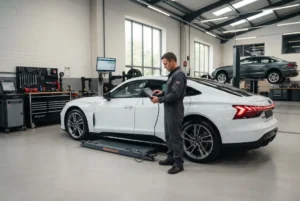
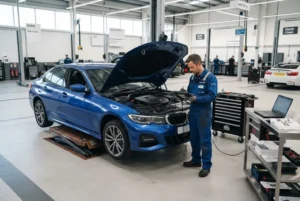
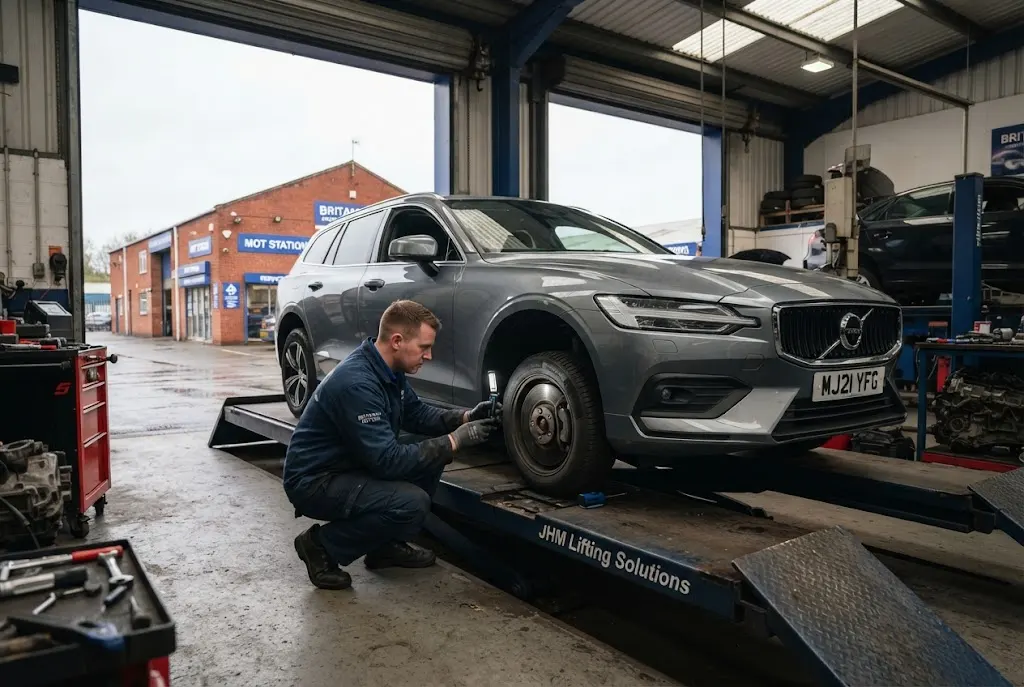
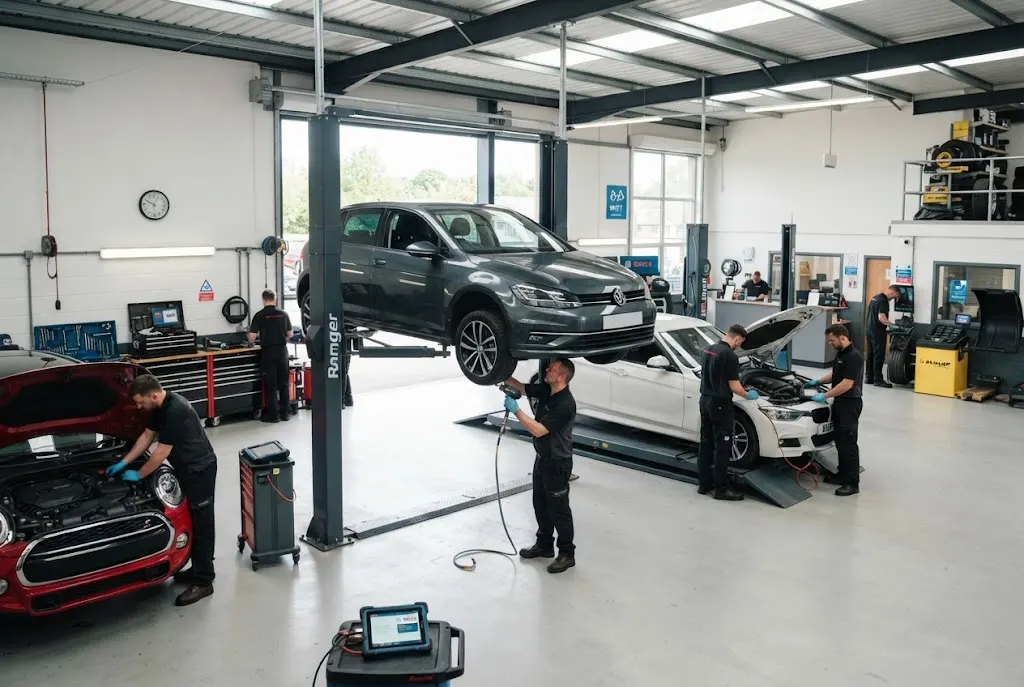
Daily checks matter, but formal checks provide an important safety net. MOT testing is the regular legal check that a vehicle meets minimum roadworthiness and environmental standards at the time of the test. Vehicle inspections by qualified technicians can also identify wear and faults between tests. Neither replaces the checks you make yourself, because a fault can develop at any time of year.
This article keeps the formal side brief, because detailed guides already exist on this site. Our explainer on MOT and service in the UK sets out how the test and servicing fit together. For a closer look at professional checks, see our guide to auto inspection services. Use only the advice that fits your car, and book promptly if a warning light, noise or handling change appears.
Looking Out for Vulnerable Road Users
Pedestrians, cyclists and motorcyclists face greater risk in the dark because they are smaller, quieter and harder to spot. A person in dark clothing may blend into a wet road or a shadowed pavement. Cyclists and motorcyclists can also be hidden by pillars, parked cars, rain on mirrors or a misted window.
Slow down near schools, crossings, junctions, bus stops and parked vehicles. Look twice before turning, and check mirrors and blind spots for cyclists and motorcyclists. Give cyclists plenty of room when passing, and be patient if the road is narrow. Pedestrians should also help themselves to be seen. Bright or reflective clothing, a torch on unlit routes and extra care at crossings all improve visibility. Parents can practise the route to school with children and agree safe crossing places in advance.
UK Driving Updates, Transport News and Public Awareness
Rules, campaigns and local conditions change over time, so drivers need reliable updates. Following UK driving updates helps you notice changes to guidance, test arrangements or seasonal advice. Transport news can also highlight local roadworks, closures and weather disruption that affect your route. Check such news before a long journey, and allow extra time if a route is affected.
Public awareness campaigns play a useful part too. They remind drivers about drink-driving, seatbelts, speed, tiredness and phone use at the times those risks are most relevant. Share the message within your family, especially with new drivers. Public awareness works best when it leads to a practical change, such as planning a taxi after drinking, checking tyres before a holiday, or putting reflective items on a child’s coat and bag. That link between information and action is central to consumer safety.
What to Do After a Breakdown
Even a well-kept car can break down. Your first aim is to protect people, not the vehicle. If you can, move the car well to the left and away from moving traffic. Turn on your hazard lights, and use sidelights too if it is dark or visibility is poor. Keep passengers away from the carriageway, ideally behind a barrier where one exists, and keep children under close control.
On suitable roads, place a warning triangle well behind the vehicle to warn approaching drivers. Do not use a warning triangle on a motorway. If you cannot leave the vehicle safely, stay inside with seatbelts on and call for help. Do not stand between your vehicle and traffic, and do not attempt a repair in a live lane. Once everyone is safe, contact your breakdown provider or a local garage and follow their instructions.
A Final Road Safety Check Before You Set Off
Road safety improves when good habits become routine. Before your next journey in the dark or rain, run through this short list:
- Check tyres, lights, wipers and screenwash, and clear every window fully.
- Allow extra time, so you do not need to rush or take risks.
- Put your phone away and set your route before moving off.
- Increase your following distance, especially in rain and spray.
- Look twice for pedestrians, cyclists and motorcyclists at every junction.
None of these steps is difficult. However, together they create the margin that prevents a close call. Make road safety part of every journey this season, keep your car roadworthy, and encourage the drivers in your family to do the same. Safer roads are built one careful journey at a time.