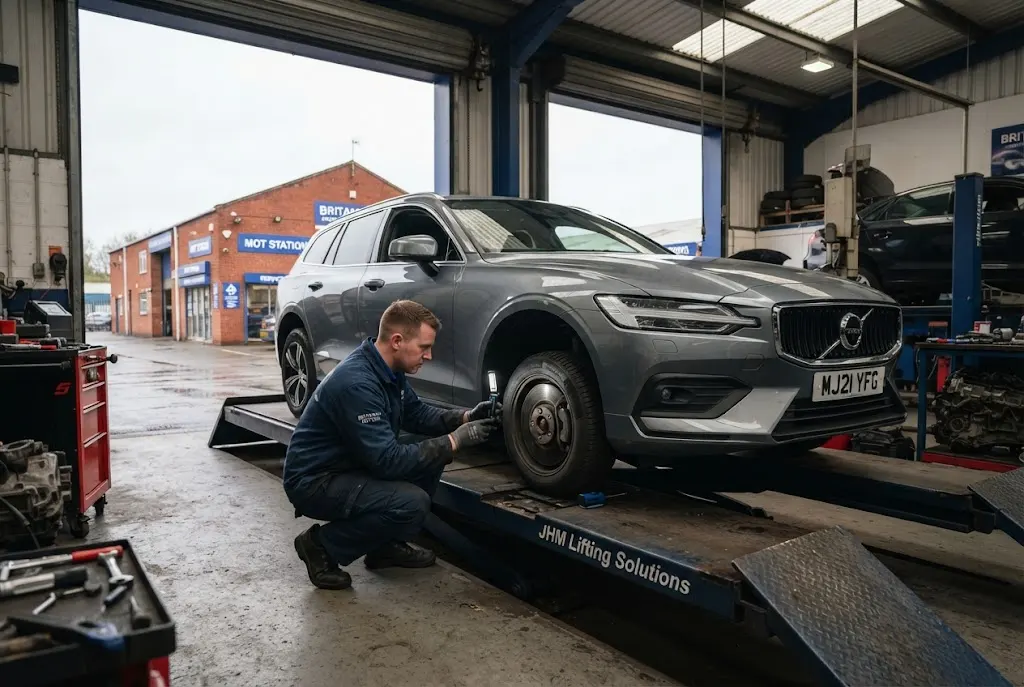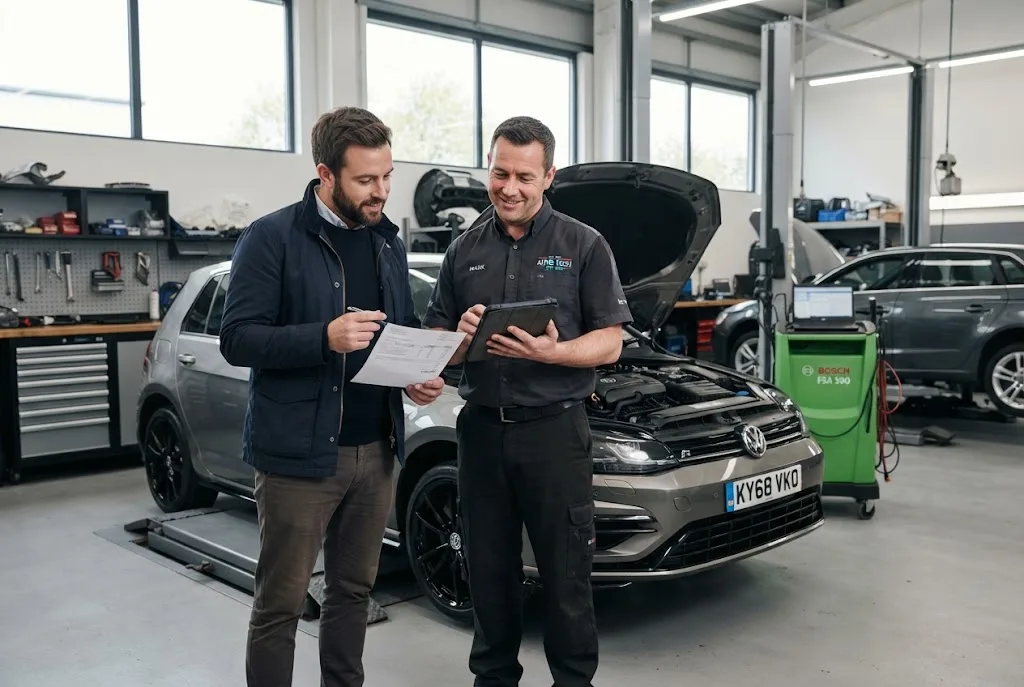
Understanding car service cost can make vehicle ownership much easier to budget for. In the UK, the amount a driver pays for servicing or repairs depends on several factors, including the vehicle’s make and model, age, mileage, service type, parts required and the garage carrying out the work. A routine service is also different from an MOT or an unexpected mechanical repair, so comparing like-for-like services is important.
Rather than focusing only on the cheapest advertised price, motorists should consider what is included, whether the work follows the manufacturer’s recommendations and whether additional problems have been identified. With a little planning, drivers can make better decisions about maintenance while avoiding unnecessary expenditure.
What Affects Car Service Cost?
There is no single price that applies to every vehicle. Two cars requiring a service at the same time can have significantly different maintenance requirements.
The main factors that can influence the final bill include:
- The vehicle’s make, model and engine type
- The age and mileage of the vehicle
- The type of service required
- The parts and fluids specified by the manufacturer
- Labour rates charged by the garage
- The vehicle’s location and local operating costs
- Additional faults discovered during an inspection
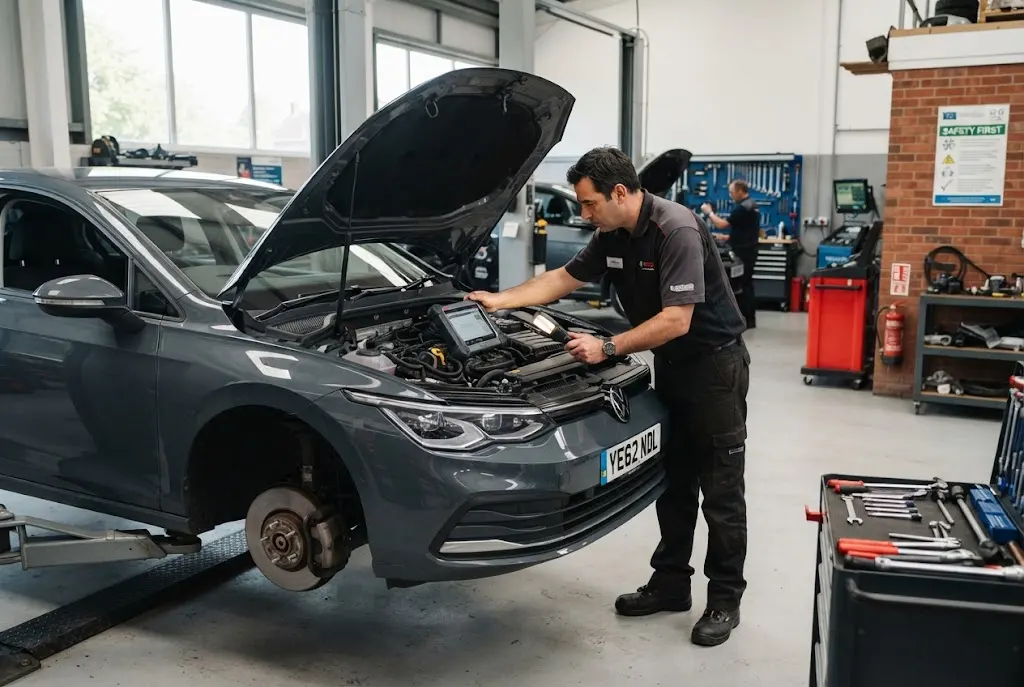
- Whether specialist diagnostic equipment is required
For that reason, an online headline price should normally be treated as a starting point rather than a guaranteed final bill.
Car Service Cost Compared With an MOT
One common source of confusion is the difference between servicing and an MOT. They are not interchangeable. An MOT is a legally required test for eligible vehicles once they reach the applicable age, while servicing is part of a vehicle’s maintenance programme.
An MOT assesses whether the vehicle meets specific safety and environmental standards at the time of the test. A service is intended to maintain the vehicle according to its maintenance requirements and can involve work that is outside the scope of the MOT.
Drivers should therefore avoid assuming that passing an MOT means the car does not need servicing. The two processes serve different purposes.
Before booking either service, motorists can also review our guide to auto inspection services to understand why additional vehicle checks can be useful throughout the year.
Types of Car Servicing and Their Costs
Garages may describe their service packages differently, but motorists will commonly encounter terms such as interim service, full service and major service. The precise contents vary, so drivers should always check the individual service schedule.
Interim Servicing
An interim service is generally associated with vehicles that cover relatively high mileage or are maintained at shorter intervals. It can involve essential checks and selected maintenance items specified for that stage of the vehicle’s service schedule.
Because the scope can be narrower than a more comprehensive service, the price may also be lower. However, drivers should compare the actual work included rather than assuming every garage’s interim package is identical.
Full Servicing
A full service typically involves a broader series of checks and maintenance tasks. Depending on the vehicle and service schedule, technicians may inspect items such as fluids, brakes, tyres, steering, suspension, filters and other components.
A full service can therefore cost more than a basic maintenance visit, but it may provide a more comprehensive assessment of the vehicle’s condition.
Major Servicing
A major service can involve additional replacement items or maintenance procedures that are required at particular intervals. These may depend heavily on the manufacturer’s recommendations and the vehicle’s mileage.
Because the required work varies considerably between models, motorists should ask for a detailed quotation before authorising major maintenance.
Repair Costs Can Change the Final Bill
Routine servicing is often relatively predictable, but additional repairs can make the final invoice substantially different from the initial service price. A technician may discover worn brake components, damaged tyres, fluid leaks or another issue during routine checks.
That does not mean every recommendation needs to be accepted immediately. Drivers should ask which findings are safety-critical, which require attention soon and which can reasonably be monitored.
Clear prioritisation helps consumers distinguish essential repairs from preventative or advisory work. It also makes it easier to plan future maintenance expenses.
Common Maintenance Expenses UK Drivers Should Expect
Vehicle ownership inevitably involves maintenance expenses. Some costs are predictable because they form part of a scheduled maintenance plan, while others arise from wear and tear.
Common areas that can generate maintenance costs include tyres, brakes, batteries, filters, engine oil, wiper components, bulbs and other consumable parts. More significant expenses can arise when components such as suspension, clutch, exhaust or other major mechanical systems require attention.
The exact cost depends on the vehicle and repair. A quote for one model should not automatically be used as a benchmark for another.
How Inflation Can Affect Servicing Prices
Vehicle maintenance prices can change over time as garages experience changes in labour, energy, premises, equipment, logistics and parts costs. Imported components can also be affected by wider supply-chain and currency conditions.
This means motorists may notice that a service or repair costs more than it did several years earlier. However, an increase in an advertised price does not automatically mean a garage is overcharging.
Consumers should compare current like-for-like quotations and examine what is included. A quotation that appears more expensive may include higher-quality parts, additional checks or more labour than a cheaper alternative.
Price Comparisons: What Should You Look For?
Comparing prices is useful, but the comparison needs to be fair. A basic service from one garage should not be compared directly with a comprehensive service from another.
Before accepting a quotation, check whether it includes:
- Labour
- Parts and consumables
- Engine oil and other required fluids
- Diagnostic checks, where applicable
- Inspection or assessment charges
- VAT and other applicable charges
- Disposal or environmental charges, where relevant
- Any follow-up work already identified
It is also worth asking whether the garage will contact you before carrying out additional chargeable repairs. Agreeing this process in advance can reduce unpleasant surprises when the vehicle is collected.
Manufacturer Requirements and Independent Garages
Some motorists assume that using an independent garage automatically means lower-quality maintenance, while others believe a main dealer is always the best-value option. In practice, the right choice depends on the vehicle, service requirements, warranty considerations and the garage’s competence.
Drivers should make sure the chosen provider understands the vehicle and can follow the appropriate maintenance requirements. Keeping accurate invoices and service records is also useful regardless of where the work is completed.
For newer vehicles, motorists should pay particular attention to the manufacturer’s servicing requirements and any applicable warranty conditions before choosing a provider.
Cost-Saving Tips for Vehicle Maintenance
Reducing maintenance expenditure does not necessarily mean postponing repairs. In many cases, better planning can help motorists control costs while still maintaining the vehicle properly.
Useful strategies include:
- Follow the manufacturer’s recommended service intervals.
- Keep records of completed maintenance.
- Compare several like-for-like quotations.
- Ask what is included before approving work.
- Deal with genuine faults before they develop into larger problems.
- Check whether replacement parts meet the vehicle’s requirements.
- Ask technicians to prioritise safety-critical repairs.
- Budget ahead for predictable maintenance items.
- Look after tyres, fluids and other routine maintenance items.
Preventive maintenance is particularly useful because a small issue can sometimes become more expensive when ignored. However, consumers should also avoid replacing components simply because a generic maintenance tip is trending online.
Auto Care Services and Better Budgeting
Understanding the wider range of auto care services can help motorists plan maintenance more effectively. Routine servicing is only one part of vehicle care, alongside inspections, diagnostics, tyres, brakes and other maintenance requirements.
A broader view of maintenance also helps drivers avoid treating every vehicle problem as an emergency. Regular checks can identify developing issues and provide an opportunity to plan suitable repairs.
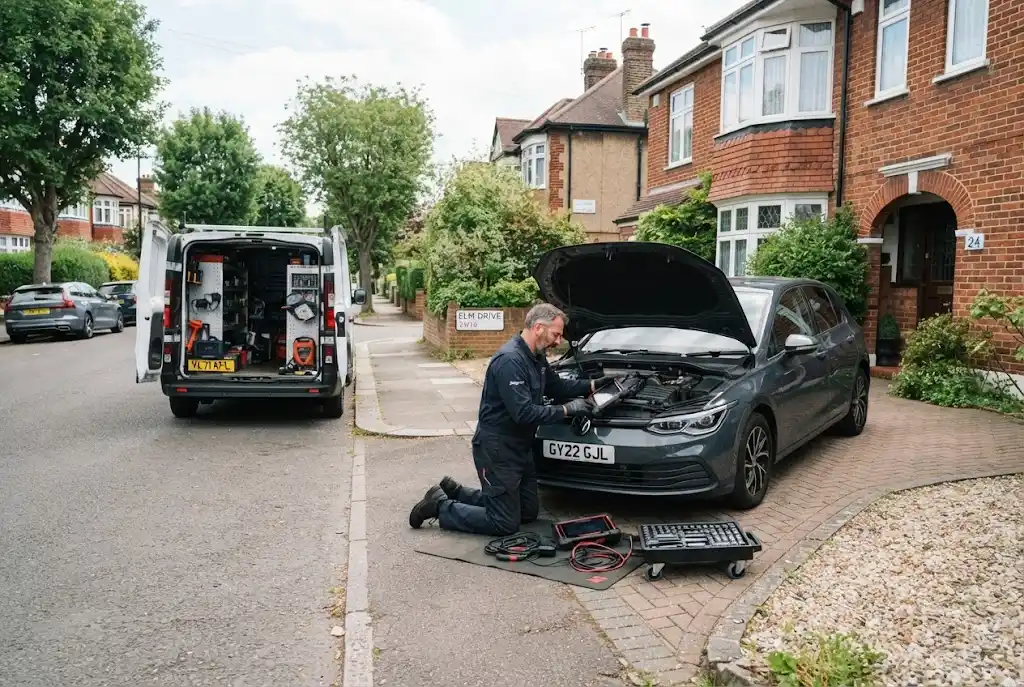
For motorists interested in convenience as well as cost, mobile auto service can also be worth considering for suitable maintenance and repair work. A mobile mechanic may be able to complete certain jobs at a home or workplace, although complex repairs can still require a fully equipped workshop.
When a Low Quote May Not Be the Best Deal
A very low service price can be attractive, particularly when household budgets are under pressure. Nevertheless, motorists should establish why the price is lower before making a decision.
The quotation may cover only a limited inspection, exclude certain consumables or use a different service specification. None of these factors necessarily makes the provider unsuitable, but they should be understood before booking.
A transparent quotation is often more valuable than a headline price. Consumers should know what work will be completed and how additional repairs will be handled if a problem is discovered.
Questions to Ask Before Approving Repairs
When a garage recommends additional work, drivers do not need to be automotive experts to ask useful questions. Simple clarification can make a major difference.
- What problem has been identified?
- Is it a safety issue?
- Does the repair need to be completed immediately?
- What happens if the repair is delayed?
- What parts will be used?
- How much will labour and parts cost separately?
- Is there a warranty on the work?
- Are there alternative repair options?
These questions encourage clearer communication and help consumers make decisions based on evidence rather than pressure.
Planning for Future Servicing Prices
Vehicle maintenance is easier to manage when predictable costs are incorporated into a household budget. Drivers can use their service history and manufacturer’s schedule to identify upcoming maintenance requirements.
It is also sensible to maintain an emergency fund for unexpected repairs. Even a well-maintained vehicle can experience an unforeseen fault, particularly as it becomes older or accumulates higher mileage.
Regular inspection records can support this planning by showing which components have already been replaced and which areas may require attention in the future.
Car Service Cost and Smarter Consumer Decisions
Price is an important part of vehicle maintenance, but it should be considered alongside safety, quality and transparency. The cheapest quotation is not necessarily the cheapest outcome if poor workmanship leads to repeat repairs.
Similarly, a high price is not automatically evidence of superior service. Drivers should look at the work being offered, the provider’s communication and whether the proposed maintenance is appropriate for the vehicle.
Reliable consumer information can also help motorists make better decisions. The UK Government’s vehicle recalls and faults guidance is useful when checking whether a manufacturer has issued relevant safety information for a vehicle.
Final Thoughts on Car Service Cost
Car service cost varies because vehicles, service requirements and repair circumstances vary. Instead of relying on a single UK-wide price, motorists should compare detailed quotations and understand precisely what each garage is offering.
Routine maintenance, timely inspections and good service records can make expenses easier to anticipate. When additional repairs are recommended, asking clear questions about urgency, parts and labour can help drivers make informed choices.
Ultimately, sensible vehicle maintenance is about balancing cost with safety and reliability. Drivers who plan ahead, follow appropriate maintenance schedules and compare services carefully can manage their automotive expenses without compromising responsible vehicle care.