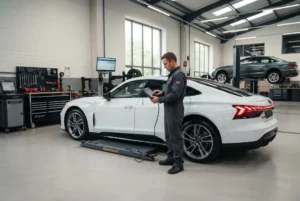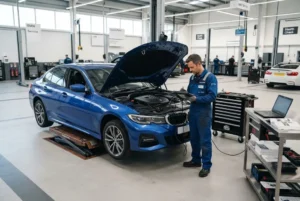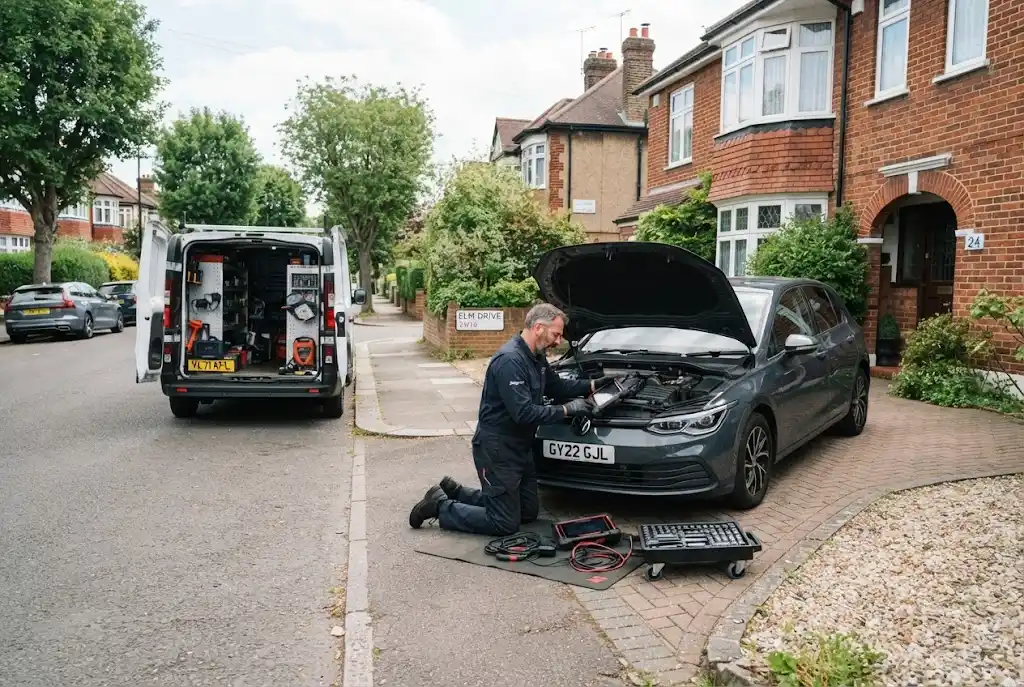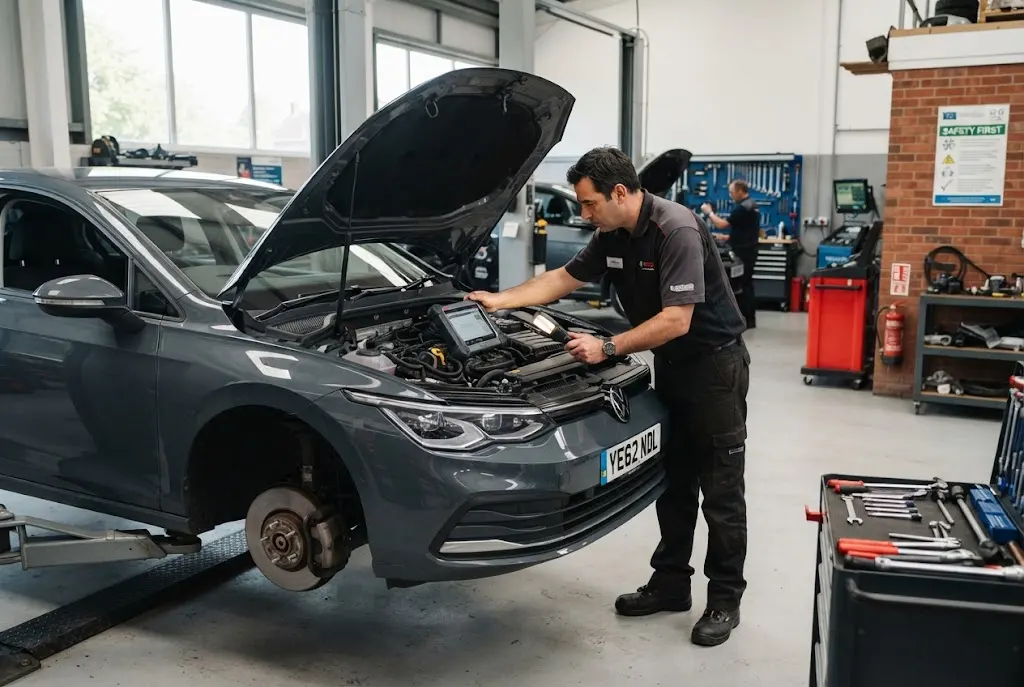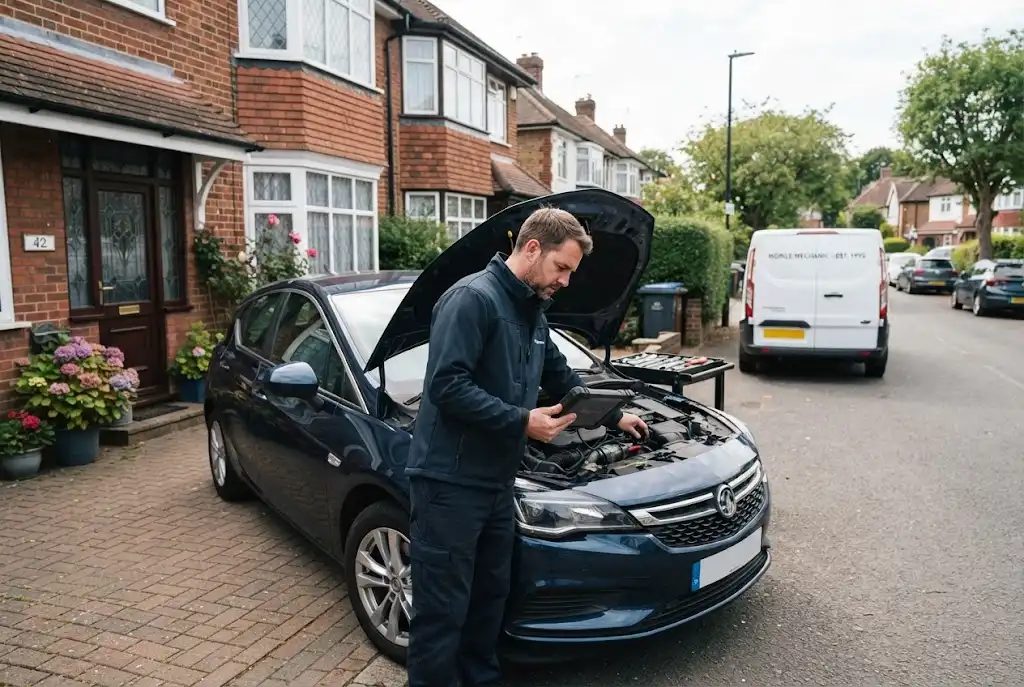
A breakdown does not always happen at a convenient time or near a familiar garage. That is where mobile auto service can offer a practical alternative for UK drivers. Instead of taking the vehicle to a workshop, a mobile mechanic can travel to the customer’s location to assess the problem, carry out suitable repairs or determine whether the vehicle needs further workshop attention.
Mobile servicing has become an increasingly useful part of the wider automotive service landscape. From minor roadside problems to scheduled maintenance, on-demand mechanics can provide motorists with greater flexibility while helping them understand what is happening with their vehicle.
What Is Mobile Auto Service?
Mobile auto service is a vehicle maintenance and repair model where a qualified mechanic travels to the customer’s location rather than requiring the vehicle to be taken directly to a fixed garage. Depending on the provider, this may include inspections, diagnostics, routine maintenance and selected repairs.
The location could be a home, workplace, car park or another safe and accessible place. The exact services available vary considerably between providers, so drivers should check what a mechanic is equipped to handle before booking.
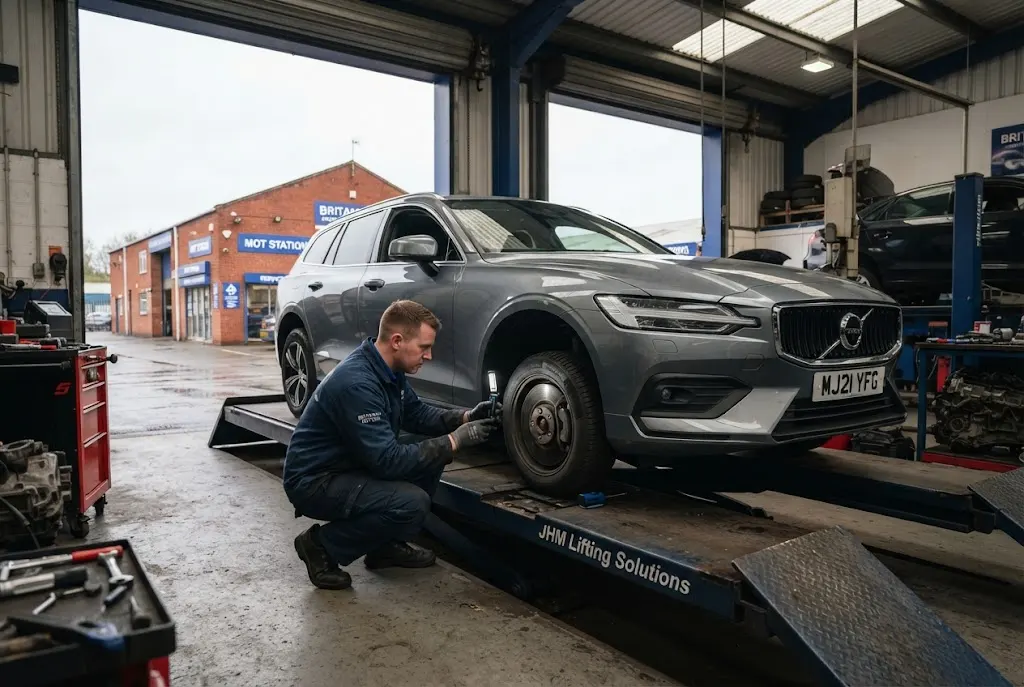
Some jobs require specialist workshop equipment, vehicle lifting equipment or a controlled working environment. In those circumstances, a mobile mechanic may inspect the vehicle first and then recommend recovery to a suitable garage.
When a Mobile Mechanic Can Help
A mobile mechanic can be particularly useful when a vehicle is difficult or inconvenient to move. For example, a driver may experience a starting problem at home, discover a warning light before leaving for work or need assistance with a minor mechanical issue away from a conventional workshop.
Common situations where mobile services may be considered include:
- Battery or starting problems
- Selected brake or maintenance work
- Diagnostic investigations
- Routine servicing where mobile servicing is offered
- Minor mechanical repairs
- Vehicle inspections
- Pre-purchase vehicle assessments
- Some roadside repair situations
However, availability depends on the mechanic, vehicle and nature of the fault. A serious breakdown involving major mechanical damage may still require specialist recovery and workshop repair.
Mobile Auto Service and Roadside Assistance
Mobile auto service and roadside assistance can overlap, but they are not necessarily the same thing. Roadside assistance is generally focused on helping a driver who has become stranded, while a mobile mechanic may also provide scheduled maintenance and repairs at a customer’s chosen location.
This distinction is useful when comparing services. A breakdown provider may specialise in getting the vehicle moving again or arranging recovery, whereas an independent mobile mechanic may be better suited to a planned repair or diagnostic appointment.
Drivers should therefore describe the problem accurately when making a booking. Providing the vehicle’s make, model, symptoms and location can help the provider decide whether the job can realistically be completed on site.
How On-Demand Mechanics Work
The process is usually straightforward. A driver contacts the service provider, explains the issue and supplies relevant vehicle details. The mechanic then confirms whether the requested work is within their capabilities and arranges a suitable appointment or response.
When the mechanic arrives, the first step is normally an assessment of the vehicle and the reported symptoms. Depending on the problem, this may involve visual checks, basic testing or diagnostic equipment.
If the problem can be safely repaired on location, the mechanic may complete the work there. If additional equipment or specialist facilities are necessary, the driver may be advised to arrange recovery to a workshop.
Mobile Vehicle Diagnostics
Modern vehicles can contain numerous electronic control systems, sensors and warning systems. As a result, diagnostics can form an important part of mobile automotive services.
A mechanic with appropriate diagnostic equipment may be able to retrieve fault codes and use them as part of a wider investigation. However, a fault code is not always a complete diagnosis. Professional assessment is still important because the underlying problem may involve wiring, sensors, mechanical components or another related system.
Drivers should therefore be cautious about services that promise to identify every problem simply by connecting a diagnostic device. Good diagnostic work combines electronic information with symptoms, physical checks and professional judgement.
Emergency Servicing and Roadside Problems
Unexpected vehicle problems can be stressful, particularly when they occur away from home. Emergency servicing may provide a useful first response when a mobile mechanic is equipped to handle the particular problem.
Safety should always come first. If a vehicle has broken down on a dangerous road or motorway, drivers should follow official breakdown safety guidance and avoid attempting repairs in an unsafe position.
Some problems should not be treated as ordinary mobile repair jobs. Severe collision damage, suspected fuel-system problems, serious overheating, major engine faults or issues affecting the safe movement of the vehicle may require recovery and specialist attention.
Mobile Auto Service for Routine Maintenance
Mobile mechanics are not limited to emergencies. Some providers offer scheduled maintenance at a customer’s home or workplace, which can make routine vehicle care more convenient.
This approach can be particularly attractive to busy drivers who find it difficult to spend several hours waiting at a garage. Depending on the provider, scheduled services may include oil and filter changes, inspections, selected component replacements and other maintenance tasks.
Before booking, motorists should confirm exactly what is included, whether parts are supplied, how labour is charged and whether any additional diagnostic or inspection fees apply.
What Drivers Should Check Before Booking
Convenience should not be the only factor when choosing a mobile mechanic. Drivers should also consider the provider’s experience, qualifications, insurance arrangements, service scope and customer communication.
It is sensible to ask several questions before confirming an appointment:
- What exact work is included?
- Can the repair be completed at the vehicle’s location?
- Are diagnostic charges separate?
- Are parts included in the quoted price?
- What happens if additional work is discovered?
- Will the mechanic provide an explanation or written record of the work?
- Is the vehicle safe to drive after the repair?
Clear answers can prevent misunderstandings and make it easier to compare different mobile services.
Mobile Repair Trends in the UK
The wider automotive industry is increasingly focused on convenience, digital booking and services that fit around the customer’s schedule. Mobile repair is well suited to this trend because the service can be arranged around a driver’s location rather than requiring every customer to visit a traditional workshop.
Technology is also influencing how mobile mechanics work. Digital booking systems, electronic service records, diagnostic equipment and online customer communication can make the process more transparent.
At the same time, increasingly complex vehicles may place limits on what can realistically be repaired outside a workshop. Electric vehicles, advanced driver-assistance systems and sophisticated electronic systems can require specialist tools, training and controlled workshop environments.
Consumer Advice for Choosing a Mobile Mechanic
Drivers should compare the actual service rather than choosing solely on the lowest advertised price. A provider who clearly explains the inspection process, labour charges and potential additional costs can offer better value than a cheaper service with unclear terms.
It is also useful to distinguish between an initial call-out and the final repair bill. Some services may charge a diagnostic or attendance fee even when the vehicle ultimately requires workshop recovery.
When possible, consumers should keep invoices, diagnostic information and records of completed work. These documents can help with future maintenance decisions and provide useful information to another technician if the vehicle develops a related problem.
Mobile Auto Service Before a Long Journey
A mobile mechanic can also be useful before an important journey if a driver notices a potential issue. An inspection may help identify problems that deserve attention before travelling long distances.
Drivers should still complete basic checks themselves. Tyre condition and pressure, lights, fluid levels, windscreen visibility and other essential items should be considered before setting off.
A professional inspection can complement these checks when the vehicle has developed unusual symptoms or has an uncertain maintenance history. It should not, however, be treated as a guarantee that a vehicle will remain trouble-free throughout a journey.
How Mobile Auto Service Fits Into Modern Car Care
Mobile auto service is one part of a broader approach to vehicle ownership. Regular maintenance, appropriate inspections and timely repairs all contribute to keeping a vehicle in suitable condition.
For motorists following auto inspection services, understanding how mobile mechanics operate provides another useful perspective on vehicle maintenance. A professional inspection can identify a concern, while a mobile mechanic may be able to address certain problems without the vehicle visiting a conventional garage.
Likewise, keeping an eye on auto care services can help drivers understand broader maintenance options, while future coverage of car service cost can help consumers consider the financial side of routine servicing and repairs.
What the Future Could Mean for Mobile Mechanics
Convenience is likely to remain an important factor in automotive services. Customers increasingly expect straightforward booking, clear communication and services that fit around their daily schedules.
For mobile mechanics, this may mean greater use of digital diagnostics, online appointment systems and electronic service records. However, professional expertise will remain essential because technology can assist diagnosis without replacing physical assessment and mechanical judgement.
Drivers can also expect a wider distinction between jobs that are suitable for mobile repair and those that require specialist workshops. As vehicle systems become more sophisticated, knowing when to call a mobile mechanic and when to arrange recovery will become increasingly important.
Final Thoughts on Mobile Auto Service
Mobile auto service gives UK motorists another way to approach vehicle maintenance and repair. Its biggest advantage is convenience: where suitable, the mechanic comes to the vehicle instead of requiring the customer to arrange a trip to a garage.
However, convenience should always be balanced with safety, professional competence and the complexity of the vehicle problem. Some repairs can be handled effectively on location, while others require specialist workshop equipment.
For consumers, the best approach is to describe the problem clearly, understand what the service includes and ask about costs before work begins. Used alongside regular inspections, maintenance and sensible safety checks, mobile servicing can become a practical part of modern UK vehicle ownership.