The latest automotive news is increasingly relevant to everyday vehicle owners, not just manufacturers and industry professionals. Developments around electric vehicles, servicing, recalls, diagnostics, aftermarket businesses and consumer safety can all influence how motorists maintain and use their cars. For UK drivers, staying informed can make it easier to recognise important changes without getting distracted by every headline circulating online.
This week’s UK automotive picture includes continued interest in electric vehicles, a changing aftermarket landscape and reminders about the importance of checking vehicle safety information. The Society of Motor Manufacturers and Traders (SMMT) reported that UK new-car registrations grew by 13.7% in August 2026, reaching 94,236 units, while battery-electric vehicles accounted for 29.8% of the market.
Automotive News: Electric Vehicles Remain a Major Story
Electric vehicles continue to feature prominently in UK automotive coverage. The latest SMMT figures show that battery-electric vehicles represented 29.8% of new-car registrations in August, although the organisation noted that August is traditionally a low-volume month and seasonal effects can amplify percentage movements.
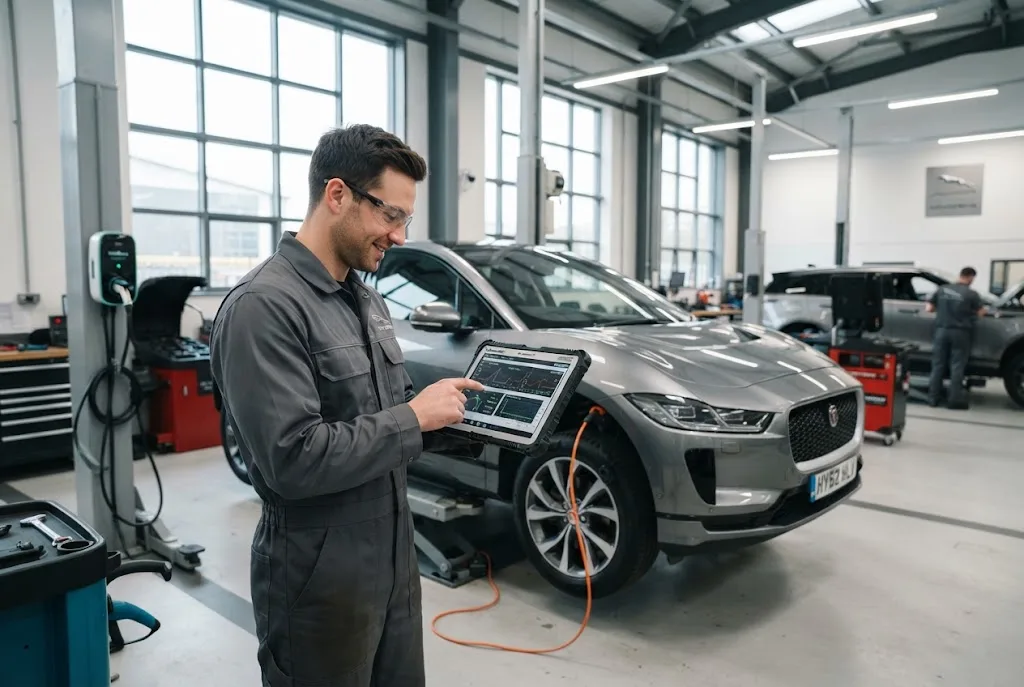
For automotive service businesses, the shift towards electrification has implications beyond vehicle sales. Technicians increasingly need appropriate knowledge, equipment and procedures for working with vehicles that use high-voltage systems and more sophisticated electronic architecture.
For consumers, the change also means that traditional maintenance assumptions may not always apply equally to every vehicle. Drivers should follow the maintenance requirements for their particular model rather than relying on generic advice intended for conventional petrol or diesel cars.
Aftermarket Businesses Remain in Focus
The UK’s automotive aftermarket is another important part of this week’s industry coverage. SMMT highlighted British aftermarket expertise at Automechanika Frankfurt, where UK companies were showcasing products and specialist capabilities covering replacement parts, braking systems, remanufactured components, diagnostics, electrification and engineering support.
This matters to consumers because the aftermarket supports many of the services drivers rely on after purchasing a vehicle. Independent garages, parts suppliers, diagnostic specialists and other service businesses all contribute to the wider maintenance ecosystem.
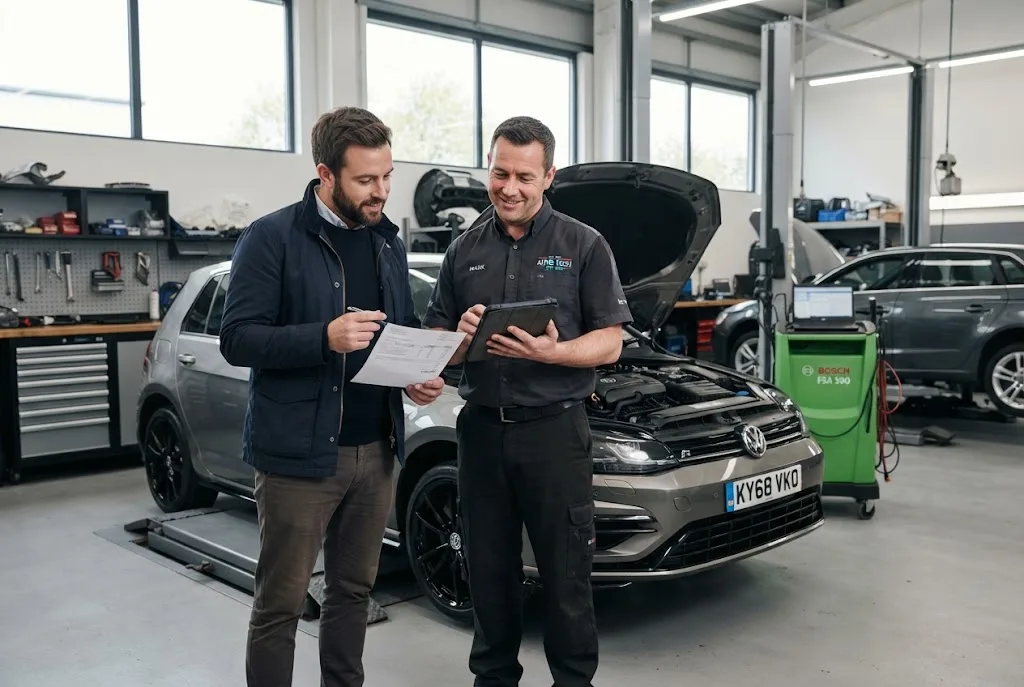
The growing technical complexity of modern vehicles may also increase the importance of choosing a service provider with the appropriate equipment and training. A garage that specialises in one type of vehicle or repair may not necessarily be equipped for every newer technology.
Vehicle Recalls Remain an Important Consumer Alert
Vehicle recalls deserve attention whenever they affect a driver’s car. A safety recall can indicate a serious defect that requires action from the manufacturer. UK government guidance explains that motorists can check whether their vehicle, parts or accessories have been recalled because of a serious safety problem.
Drivers should not assume that an MOT will identify every potential recall issue. Recalls and MOT testing serve different purposes, so motorists should use the appropriate official channels to check recall information.
In most safety-recall situations, the manufacturer will explain what needs to be done and repairs or replacement parts are usually provided without charge. If a serious recall affects a vehicle, owners should follow the manufacturer’s instructions rather than ignoring the notification.
Why Consumer Alerts Matter
Automotive headlines can sometimes look technical or industry-focused, but many developments have a direct consumer impact. A recall, change in vehicle technology or new maintenance requirement can affect how a driver uses or maintains a car.
Consumers should therefore distinguish between an industry trend and an immediate safety issue. A change in new-car registrations may be interesting market information, whereas a manufacturer recall may require direct action from a vehicle owner.
Reliable information is especially important when social media posts turn a technical issue into a simplified claim. Drivers should check official manufacturer, government or recognised industry information before acting on a potentially serious safety recommendation.
Latest Garage News and the Changing Service Market
Garage businesses are adapting to a vehicle market that is becoming more technologically complex. Modern workshops may need diagnostic tools, software access, specialist training and equipment capable of dealing with newer vehicle systems.
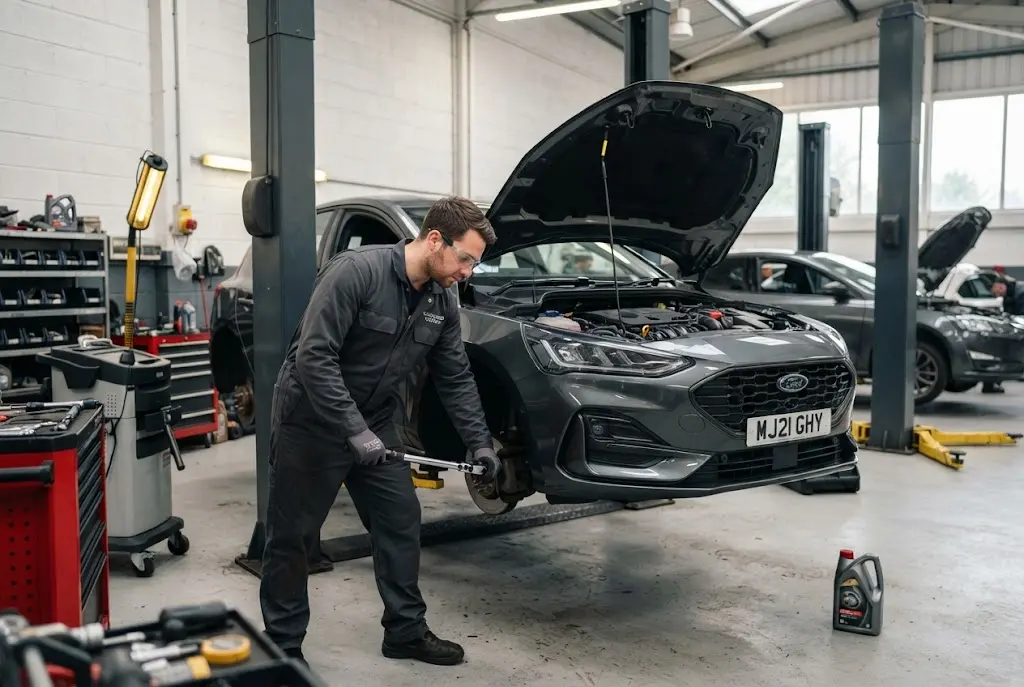
This does not mean traditional mechanical knowledge is becoming irrelevant. Brakes, tyres, suspension, steering, fluids and other physical components remain essential to vehicle safety. Instead, modern servicing increasingly combines conventional mechanical skills with electronic diagnostics.
Drivers can learn more about this broader maintenance landscape through our guide to auto care services, which covers routine servicing, seasonal preparation, diagnostics and practical vehicle ownership.
Vehicle Maintenance News: What Drivers Should Watch
Some automotive developments deserve closer attention because they can affect routine maintenance decisions. These include changes in vehicle technology, new safety information, recalls, diagnostic requirements and trends in the parts and repair market.
Drivers should also pay attention to their own vehicles rather than relying entirely on news headlines. A dashboard warning light, unusual noise, vibration, fluid leak or change in braking performance can be more relevant to an individual motorist than a national industry trend.
A professional inspection can help investigate those concerns. Our guide to auto inspection services explains how inspections can complement routine maintenance and help motorists understand vehicle condition between formal MOT tests.
Recall Updates and How to Check Your Vehicle
The UK government provides an online vehicle recall service that allows motorists to check whether a vehicle has been recalled. Depending on the vehicle and recall, drivers may need the registration number or details such as the manufacturer, model and year of manufacture.
Checking recall information can be particularly sensible when buying a used vehicle. A buyer should not rely solely on a seller’s verbal assurance that the car has no outstanding issues. Official records and manufacturer information provide a more reliable basis for checking safety-related concerns.
Where a serious safety defect is identified, the government advises motorists to follow the manufacturer’s instructions. Vehicle owners are responsible for ensuring that their vehicles are kept in a safe condition and are safe to drive.
Mobile Service Continues to Support Convenience
Convenience remains another important theme in automotive services. Mobile mechanics can provide selected maintenance, diagnostic and repair work at a customer’s location, reducing the need to take a vehicle to a traditional workshop for every type of job.
Our coverage of mobile auto service explains when an on-location mechanic may be suitable and why some repairs still require specialist workshop equipment.
For consumers, the key consideration is not simply whether a service is mobile. Drivers should establish what the mechanic can safely diagnose or repair at the vehicle’s location and what happens if the problem requires recovery to a workshop.
Car Maintenance Costs Remain a Consumer Concern
Changes across the automotive sector can eventually influence maintenance decisions and household budgets. Parts availability, specialist equipment, labour requirements and vehicle complexity can all affect servicing and repair costs.
Drivers can respond by keeping maintenance records, comparing like-for-like quotations and understanding what a garage’s service package actually includes. Our guide to car service cost covers the factors that can influence servicing and repair bills in the UK.
However, cost should not be the only consideration when a repair concerns vehicle safety. Consumers should ask whether a recommended repair is urgent, what risk is associated with delaying it and whether the quotation clearly separates parts and labour.
Industry Developments Worth Following
Several wider developments are shaping the UK automotive sector. Electric vehicle adoption remains a major theme, while connected technology and advanced vehicle systems are changing the requirements of workshops and technicians.
The aftermarket is also adapting. SMMT’s September coverage highlights the UK’s involvement in international aftermarket activity, demonstrating that British automotive businesses are active across areas including replacement parts, diagnostics, electrification and specialist engineering.
For drivers, these changes are likely to translate gradually into new service options, different maintenance requirements and greater demand for technical expertise. The transition will not happen identically for every vehicle, so individual maintenance schedules remain important.
How to Follow Automotive Headlines Without the Noise
There is no shortage of motoring content online, but not every headline deserves the same level of attention. A practical approach is to prioritise information according to its potential effect on your vehicle.
- Check official recall information when a safety issue is reported.
- Use manufacturer guidance for model-specific maintenance requirements.
- Follow recognised industry data for market trends.
- Do not treat viral maintenance claims as professional advice.
- Investigate warning lights and significant changes in vehicle behaviour.
- Compare service information before approving expensive repairs.
- Keep records of servicing, inspections and repairs.
This approach helps separate useful automotive information from general online speculation.
What This Week’s Automotive News Means for Drivers
The latest developments show an industry continuing to change while many fundamentals of vehicle ownership remain the same. Electric vehicles are gaining a larger share of the new-car market, aftermarket businesses are developing new capabilities and safety recalls remain an important area of consumer awareness.
For motorists, the practical lesson is to stay informed without becoming overwhelmed. Drivers do not need to follow every industry announcement, but they should pay attention when a development affects their particular vehicle, maintenance requirements or safety.
Reliable information also makes it easier to have productive conversations with garages and mechanics. Knowing the difference between a recall, an MOT, a service and a diagnostic assessment can help consumers ask better questions and make more confident decisions.
Final Thoughts on Automotive News
Automotive news is most useful when it helps drivers understand changes that could affect their vehicles, safety or maintenance decisions. This week’s UK developments highlight continued electric-vehicle growth, an evolving automotive aftermarket and the importance of staying alert to recall information.
Rather than reacting to every headline, motorists should focus on reliable information and connect wider industry developments with their own vehicle’s needs. Regular maintenance, appropriate inspections and timely attention to safety alerts remain essential regardless of how quickly automotive technology changes.
As the UK automotive sector continues to evolve, consumers can expect more developments around electrification, diagnostics, servicing and connected vehicle technology. Following credible automotive headlines while maintaining sensible everyday vehicle-care habits is one of the simplest ways to stay prepared.