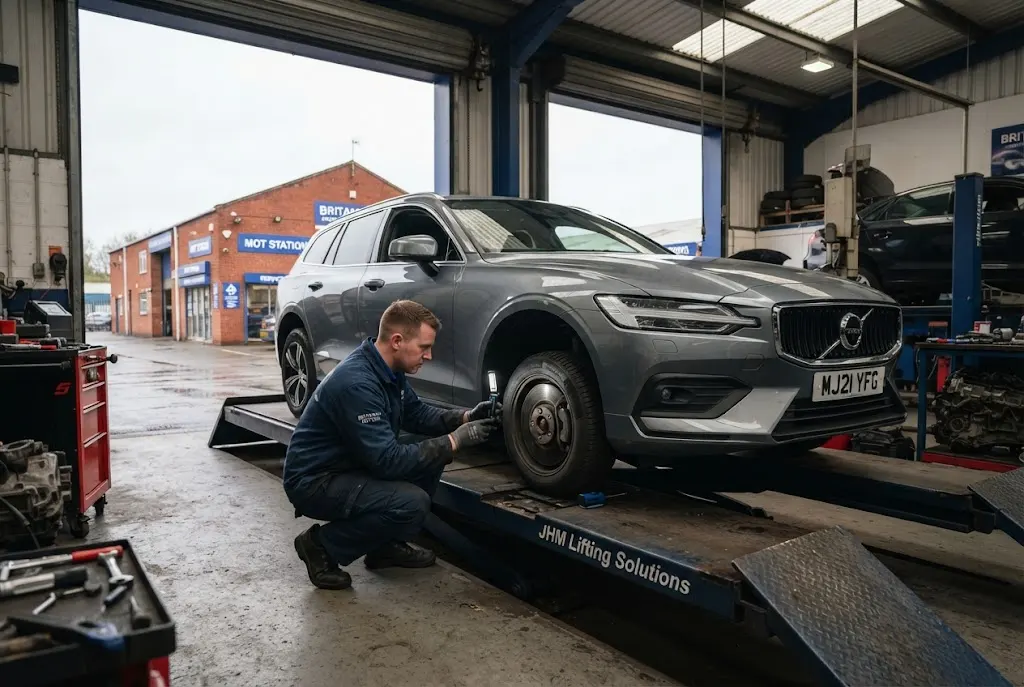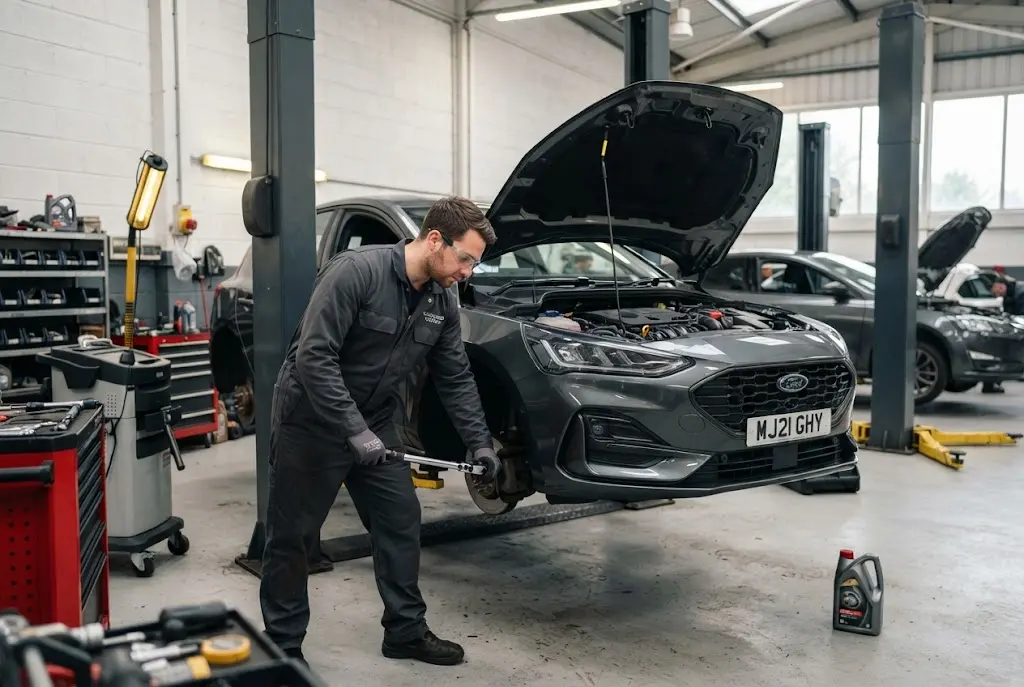
Looking after a car involves far more than arranging an MOT when the due date approaches. Auto care services cover a wide range of maintenance, inspections, repairs and practical support that can help UK motorists keep their vehicles reliable and roadworthy. From routine servicing and tyre checks to seasonal preparation and professional diagnostics, the right approach can make everyday vehicle ownership easier to manage.
Good vehicle care is also about timing. Drivers who pay attention to changes in performance, follow recommended maintenance schedules and deal with minor concerns promptly can make more informed decisions about their cars. This guide explains the main areas of modern auto care and the practical steps UK motorists can take throughout the year.
What Are Auto Care Services?
Auto care services include the maintenance and support required to keep a vehicle operating safely and efficiently. The exact range differs between garages and service providers, but it can include routine servicing, inspections, diagnostics, brake checks, tyre services, battery assistance and selected mechanical repairs.
Some services are scheduled according to mileage or time, while others are triggered by a particular problem. For example, a driver may book routine maintenance because the manufacturer’s service interval is approaching, while a warning light or unusual vibration may require an unscheduled diagnostic assessment.
The most effective approach is to treat vehicle care as an ongoing process rather than a single annual appointment.
Why Vehicle Care Matters for UK Drivers
A car can gradually develop faults without immediately becoming unusable. Tyres can wear, fluids can become contaminated, batteries can weaken and braking components can deteriorate over time. Regular maintenance gives drivers an opportunity to identify these changes before they become more disruptive.
Vehicle care also supports roadworthiness. The UK MOT system provides an important legal safety check, but passing an MOT does not mean a vehicle will remain mechanically sound until the following year. Drivers remain responsible for ensuring that their vehicles are safe to use on the road.
For a closer look at the role of professional inspections, motorists can also explore our guide to auto inspection services, particularly when a vehicle has developed symptoms or needs a more detailed assessment.
Popular Maintenance Services
Routine maintenance is one of the most familiar parts of vehicle care. Depending on the vehicle and manufacturer’s recommendations, a service may involve replacing or checking items such as engine oil, filters and other service components.
Other common maintenance activities include checking brakes, tyres, steering, suspension, lights and fluid levels. The exact requirements vary between vehicles, which is why drivers should use the manufacturer’s maintenance schedule rather than relying on a generic checklist alone.
Oil and Filter Maintenance
Engine oil performs an important role in lubricating internal components and helping manage operating temperatures. Over time, oil can degrade, making scheduled replacement an important part of routine maintenance for vehicles that use conventional internal-combustion engines.
Filters also have specific maintenance requirements. Depending on the vehicle, these may include engine air filters, cabin filters and oil filters. A technician can advise when replacement is appropriate based on manufacturer guidance and vehicle condition.
Brake and Tyre Checks
Brakes and tyres deserve particular attention because both directly affect how a vehicle stops and handles. Drivers should regularly check tyre pressures and look for visible damage or unusual wear.
Changes in braking performance, pulling to one side, vibrations or unusual noises should not be ignored. A professional assessment can determine whether the issue relates to pads, discs, tyres, suspension or another component.
Seasonal Car Care in the UK
Different seasons can place different demands on vehicles. Winter often brings colder temperatures, wet roads, reduced daylight and an increased need for effective visibility. Summer can introduce long journeys, higher temperatures and additional demands on cooling and air-conditioning systems.
Before winter, drivers can pay particular attention to tyre condition, battery performance, lights, windscreen visibility and fluid levels. It is also sensible to make sure essential equipment is available if a journey is likely to involve poor weather.
During warmer months, checking cooling-system condition and tyre pressures can be useful, particularly before long-distance travel. Air-conditioning performance may also become more noticeable when temperatures rise.
Seasonal preparation should complement, rather than replace, the vehicle’s normal maintenance schedule.
Auto Care Services and Vehicle Diagnostics
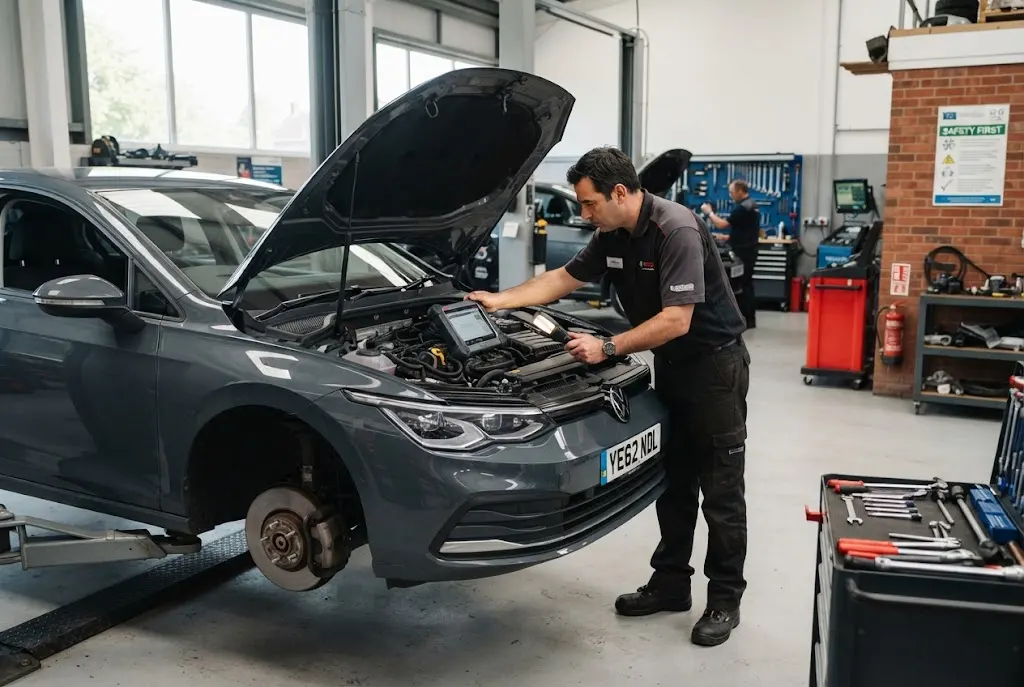
Modern vehicles increasingly depend on electronic control systems and sensors. Consequently, diagnostics have become an important part of professional vehicle care.
A diagnostic assessment can help a technician investigate dashboard warning lights, performance changes and electronic fault codes. However, diagnostic equipment is only one part of the process. A fault code does not necessarily identify the precise failed component, so professional interpretation and physical inspection remain important.
Drivers should be particularly cautious about continuing to use a vehicle when a warning light is accompanied by significant changes in braking, steering, engine performance or vehicle stability.
When to Book Professional Vehicle Care
Not every vehicle concern requires an immediate garage visit, but certain signs deserve professional attention. These can include:
- Persistent dashboard warning lights
- Unusual engine or exhaust noises
- Changes in braking performance
- Steering that feels unusually heavy or loose
- Repeated battery or starting problems
- Unusual vibrations while driving
- Fluid leaks beneath the vehicle
- Rapid or uneven tyre wear
- Unexpected changes in fuel consumption
These symptoms do not automatically indicate a major fault. Nevertheless, investigating them early can make it easier to determine what is happening and whether action is required.
Auto Care Services Before a Long Journey
A long road trip is a good reason to review the condition of a vehicle. Drivers should check tyre pressures, lights, fluid levels, windscreen visibility and other basic safety items before departure.
Vehicles with known issues should receive appropriate attention before travelling long distances. A professional inspection can be especially useful where a driver has noticed unusual noises, warning lights or changes in handling.
It is also worth checking that the vehicle’s maintenance schedule is up to date. A small amount of preparation can reduce the chance of an avoidable disruption during a journey.
Trending Products and Vehicle Care Advice
The vehicle-care market includes a wide range of cleaning products, maintenance accessories, diagnostic devices and convenience products. However, popularity does not necessarily mean that a product is appropriate for every vehicle.
Drivers should check compatibility before using maintenance products or accessories. Vehicle manufacturers may specify particular fluids, lubricants, components or procedures, and following those requirements is generally more sensible than relying on viral motoring advice.
The same principle applies to online maintenance claims. A short social media video may highlight a genuine issue, but it may also leave out important information about vehicle type, age, mileage or manufacturer requirements.
Practical Vehicle Ownership Tips
Good vehicle care does not have to be complicated. A few consistent habits can make maintenance easier to manage.
- Keep a record of servicing and repairs.
- Follow the manufacturer’s maintenance schedule.
- Check tyre pressures regularly.
- Pay attention to changes in vehicle behaviour.
- Do not ignore persistent warning lights.
- Check essential lights and visibility before longer journeys.
- Use appropriate replacement parts and fluids.
- Ask for an explanation when a garage recommends additional work.
- Keep invoices and service records for future reference.
Keeping maintenance records is particularly useful when a vehicle changes ownership. A clear history can help a future owner understand what work has already been completed and which maintenance intervals may be approaching.
Comparing Auto Care Services
Not every service package offers the same level of work. When comparing garages, drivers should look beyond the headline price and establish exactly what is included.
Questions about parts, labour, diagnostics, inspection checks and additional repairs can help avoid unexpected costs. A low-cost service may be appropriate for a particular vehicle, while another car may require a more comprehensive maintenance package.
Cost should therefore be considered alongside the condition and requirements of the vehicle. Our forthcoming coverage of car service cost can provide a useful financial perspective for drivers comparing servicing and maintenance expenses.
Convenience and Mobile Vehicle Care
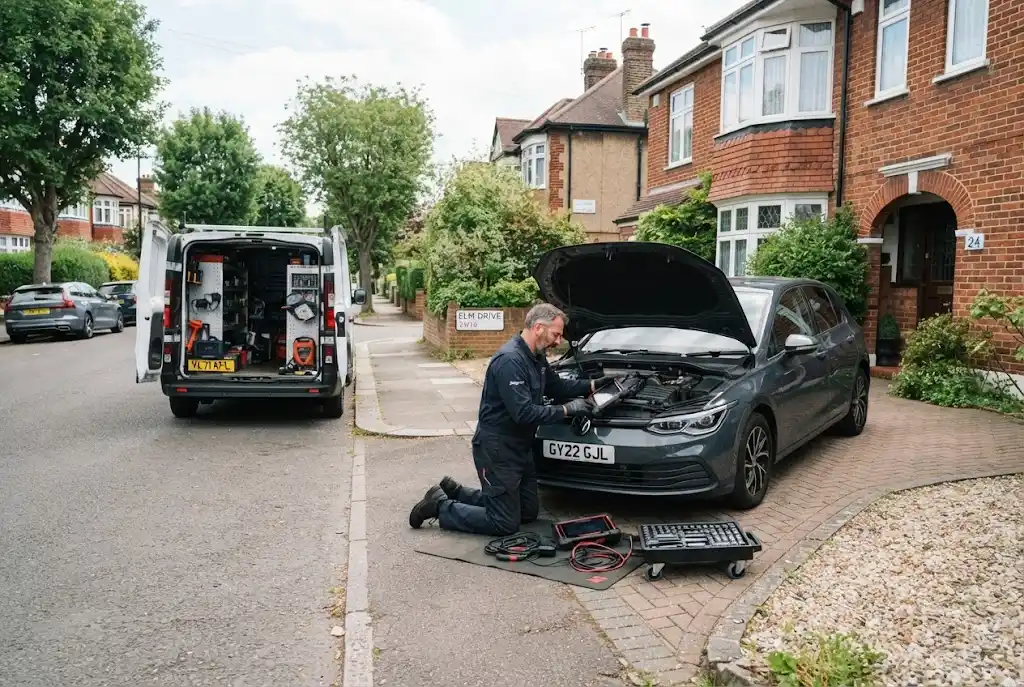
Traditional garages are not the only option for vehicle maintenance. Some motorists now use mobile mechanics for selected repairs, inspections and maintenance work at their home or workplace.
Our guide to mobile auto service explains how this model works and when an on-location mechanic may be suitable. Mobile servicing can be convenient, although certain repairs still require specialist workshop equipment.
Drivers should always confirm the scope of work before booking a mobile service. A professional provider should be able to explain whether the reported problem can realistically be addressed at the vehicle’s location.
Auto Care Services and Long-Term Ownership
Regular maintenance can make vehicle ownership more predictable. Instead of waiting for a component to fail, drivers can use scheduled servicing, inspections and vehicle records to plan maintenance more effectively.
This does not mean every recommended repair needs to be completed immediately. A professional technician should be able to distinguish between urgent safety concerns, routine maintenance and items that can reasonably be monitored.
That distinction can help motorists manage their budgets while still giving priority to issues that affect safety or reliability.
The Future of Vehicle Care
Vehicle maintenance is changing as cars become more connected and technologically sophisticated. Electronic diagnostics, digital service records, advanced driver-assistance systems and increasingly complex vehicle electronics are changing the skills and equipment required by automotive professionals.
Consumers are also becoming more interested in convenient booking, transparent pricing and accessible maintenance information. These expectations are likely to influence how garages and mobile providers communicate with customers.
At the same time, reliable basic maintenance will remain important. Even highly connected vehicles still depend on tyres, brakes, fluids, suspension components and other physical systems that require appropriate care.
Final Thoughts on Auto Care Services
Auto care services provide the foundation for responsible vehicle ownership. Regular servicing, safety checks, diagnostics and seasonal preparation can help motorists understand their vehicle’s condition and respond to problems at the right time.
The best approach is not simply to follow every trending maintenance tip or book the cheapest available service. Instead, drivers should follow manufacturer guidance, use reputable professionals and pay attention to genuine changes in vehicle performance.
By combining routine maintenance with sensible inspections and informed consumer decisions, UK motorists can make vehicle care more manageable throughout the year. Good maintenance is ultimately about consistency: noticing problems early, keeping accurate records and taking appropriate action when professional attention is needed.